

Why Early-Onset Colorectal Cancer Is Rising and What You Can Do About It
For years, colorectal cancer (CRC) has been considered an “older person’s disease.” But that narrative is changing fast. More young adults are being diagnosed with CRC, and the numbers aren’t slowing down. If you’re under 50 and think this isn’t something you need to worry about, think again.
So what’s behind the rise in early-onset colorectal cancer? And more importantly—what can you do to lower your risk? Let’s break it down.
Wait, Colorectal Cancer in Your 30s and 40s? Yep.
If you grew up thinking cancer screenings were for your parents (or their parents), you’re not alone. But here’s the thing: colorectal cancer cases among people under 50 have been increasing at an alarming rate.
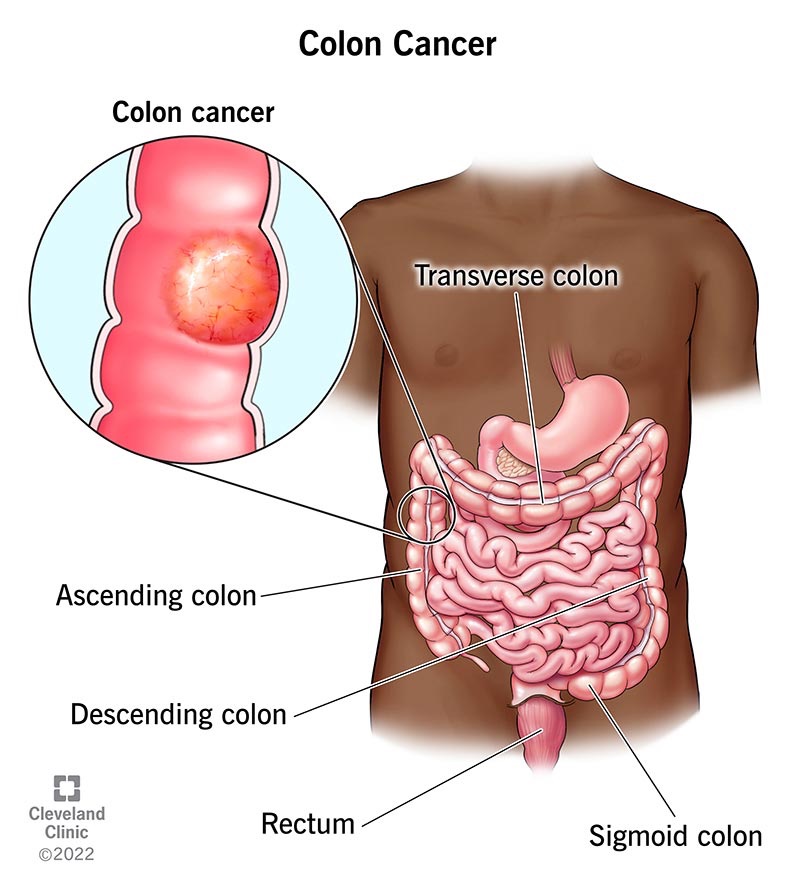
According to the American Cancer Society, rates of early-onset CRC have been climbing since the 1990s. Researchers aren’t entirely sure why, but lifestyle factors like diet, lack of exercise, and gut health changes may play a role. Some studies suggest that environmental toxins and even gut microbiome shifts could be contributing factors.
The bottom line? This is no longer just a “later-in-life” disease.
The Risk Factors You Need to Know
Some things are out of your control—like genetics—but others are lifestyle-based and totally within your power to change. Here’s a look at what increases your risk:
• Family history: If a parent, sibling, or child had CRC, your risk is much higher.
• Inflammatory bowel disease (IBD): Conditions like Crohn’s disease and ulcerative colitis increase your risk.
• Diet high in processed and red meats: Bacon and hot dogs might taste amazing, but they’re linked to a higher risk of CRC.
• Low fiber intake: Not getting enough fiber? Your gut isn’t happy about it. Fiber helps move things along and may reduce cancer risk.
• Sedentary lifestyle: If your daily movement consists of walking from your bed to your couch to your desk, it’s time to switch things up.
• Smoking and heavy drinking: No surprise here—both habits increase your cancer risk.
Know the Symptoms—And Don’t Ignore Them
The biggest mistake people make? Brushing off warning signs. CRC often starts with subtle symptoms that can be easy to dismiss. If you notice any of these, don’t wait—get checked out:
• Changes in bowel habits: If your stool consistency shifts, you have diarrhea or constipation that won’t quit, or your bowel movements just feel “off,” pay attention.
• Blood in your stool or rectal bleeding: This is a red flag—literally. Don’t assume it’s just hemorrhoids.
• Persistent abdominal pain, cramps, or bloating: Occasional stomach aches happen, but chronic discomfort is worth investigating.
• Unexplained weight loss: If the pounds are dropping and you haven’t changed your diet or workout routine, something might be up.
• Fatigue: If you’re always exhausted, despite getting enough rest, it could signal something more serious.
If any of these symptoms stick around for more than a couple of weeks, don’t play doctor—book an appointment with a professional.
What Can You Do to Lower Your Risk?
The good news? You have some control over your risk factors. Here’s how you can fight back:
1. Upgrade Your Diet
• Load up on fiber: Whole grains, fruits, veggies, and legumes keep your gut in check.
• Limit processed and red meats: Cut back on bacon, hot dogs, and heavily processed foods.
• Choose healthy fats: Swap fried foods for nuts, avocados, and olive oil.
• Stay hydrated: Water keeps everything moving—literally.

2. Get Moving
Exercise isn’t just for aesthetics—it’s a game-changer for your health. Aim for at least 30 minutes of movement most days of the week. Walking, strength training, yoga—whatever keeps you consistent is the best choice.

3. Maintain a Healthy Weight
Being overweight or obese increases your CRC risk. If weight loss is your goal, focus on sustainable changes—no crash diets or extreme restrictions.
4. Quit Smoking & Cut Back on Alcohol
Both are known carcinogens. If quitting smoking feels overwhelming, talk to a doctor about strategies. When it comes to alcohol, moderation is key.
5. Get Screened—Yes, Even If You Feel Fine
This one is critical. CRC can develop without symptoms in the early stages, which makes screenings essential. If you have a family history, talk to your doctor about getting screened before 45. The sooner you catch it, the better your chances of beating it.
Time to Take Control
Early-onset colorectal cancer is real, and it’s affecting younger people at an increasing rate. But knowledge is power, and small lifestyle changes can go a long way in protecting your health.
So here’s the deal:
• Know your risk.
• Pay attention to your body.
• Make better lifestyle choices.
• Get screened when recommended.
Your health is worth it—don’t wait until it’s too late to start caring.
Disclaimer: This article is for informational purposes only and does not replace professional medical advice. Always consult a doctor regarding your health concerns.





 Fierce Millenial
Leave a comment