
What activities do you lose yourself in?
Because Sometimes, You Just Need to Check Out to Tap In
Life is Loud—Turn It Down for a While
Between work stress, family obligations, and the endless doom-scroll on social media, it feels like our brains never get a moment to breathe. But what if I told you that the key to feeling more balanced, creative, and mentally sharp isn’t another productivity hack—it’s zoning out?
No, I’m not talking about mindlessly binge-watching another true crime doc (though no judgment). I mean fully immersing yourself in an activity that makes the world fade away for a little while. That sweet spot where you lose track of time, your mind quiets, and you’re just in it.
These “zone-out activities” are low-key magic, and they do more for your wellness than any overpriced spa day. Let’s get into it.
Why Zoning Out is Self-Care (and Not Just a Time-Waster)
We live in a culture that glorifies busyness. If you’re not grinding, you’re “falling behind.” But the truth is, constantly running at full speed without mental rest is a one-way ticket to burnout.
Zone-out activities offer a chance to reset your brain and body. Here’s why they’re essential:
1. They Wipe Out Stress and Anxiety
Ever notice how your mind stops racing when you’re deeply focused on something enjoyable? That’s because zone-out activities lower cortisol levels (aka the stress hormone), helping your nervous system chill out.

Creator: shironosov | Credit: Getty Images
2. They Boost Your Mood Like Crazy
When you’re lost in an activity you love, your brain releases dopamine—the feel-good neurotransmitter that fights off sadness, frustration, and stress.
3. They Help You Think Sharper
Engaging in immersive activities strengthens neural connections, which means better memory, focus, and problem-solving skills. Who knew painting or hiking could be brain training?

How to Find Your Zone-Out Activity
The beauty of zoning out is that there are no rules. It’s not about what looks productive—it’s about what feels right for you. Here are some ideas to spark inspiration:
• Painting, drawing, or adult coloring books
• Playing an instrument or singing (shower concerts count)
• Writing poetry, journaling, or storytelling
• Knitting, crocheting, or DIY crafts
[Insert supporting image: A person playing music]

• Hiking, trail running, or rock climbing
• Yoga or Pilates (bonus: deep stretching feels amazing)
• Martial arts or boxing (for when you need to punch stress in the face)
• Meditation or deep breathing exercises
• Gardening or caring for houseplants
• Stargazing (yes, it counts)

Creator: Wavebreakmedia Ltd | Credit: Wavebreakmedia Ltd / Dreamstime
Copyright: Wavebreakmedia Ltd
Just-for-Fun Activities
• Reading an immersive novel
• Playing video games (no shame in gaming your stress away)
• Cooking a new recipe just for the experience

Zoning Out Changed My Life—Here’s How
For me, the studio is my sanctuary. The moment I pick up that microphone, everything else disappears. No to-do lists, no emails, no notifications—just me, the music, and my voice. It’s the one place where my perfectionist brain shuts up, and I can just exist in the moment. There’s something freeing about letting the melody take over, feeling the rhythm in my bones, and knowing that, for a little while, nothing else matters.
I also recently started taking walks in the park, and let me tell you—game changer. The combination of fresh air, no phone, and the warmth of the Sun on my skin is like an instant reset button. It’s a simple pleasure, but there’s something about moving at my own pace, breathing deeply, and just being that makes all the difference.
I’ll never forget the first time I completely lost myself in music. It was late at night after an exhausting day—mentally, physically, emotionally. Instead of doom-scrolling on my phone like I usually would, I turned on some music, slipped on my headphones, and started singing.
At first, I was just messing around, humming a melody, playing with lyrics. But somewhere in the middle of it, something shifted. The world outside faded, the stress of the day melted away, and suddenly, I was in the middle of a full-blown concert—feeling every word, hitting every note like I had an arena of fans cheering me on. An hour passed, then two. I didn’t even realize how much time had gone by until I finally paused to catch my breath and listened back to what I had recorded. And you know what? It was some of my best work.
That night reminded me just how powerful it is to have an outlet, something that allows you to escape the noise and reconnect with yourself. It wasn’t about sounding perfect or being productive—it was about release. And when I finally stepped away from the mic, I felt lighter, freer, like I had let go of something heavy I didn’t even know I was carrying.
Since then, I’ve made it a priority to protect these moments of escape. Whether it’s singing, walking in the park, or just zoning out to music with no agenda, I’ve learned that these little pockets of peace aren’t just nice to have—they’re necessary.
Tips for Making Zone-Out Activities a Habit
It’s easy to say, “I’ll do it when I have time.” But let’s be real—if you wait for free time to magically appear, you’ll never do it. Try these tips to make zoning out a regular part of your life:
✔ Create a Ritual: Set up a dedicated space for your activity, even if it’s just a cozy corner with a book and tea.
✔ Schedule It: Block off time like you would for a work meeting. Your peace deserves a slot on the calendar.
✔ Ditch the Distractions: Put your phone on ‘Do Not Disturb’ and let the world wait.
✔ Let Go of the Outcome: This isn’t about being good at something—it’s about enjoying it. No pressure, no perfectionism, just vibes.
Give Yourself Permission to Zone Out
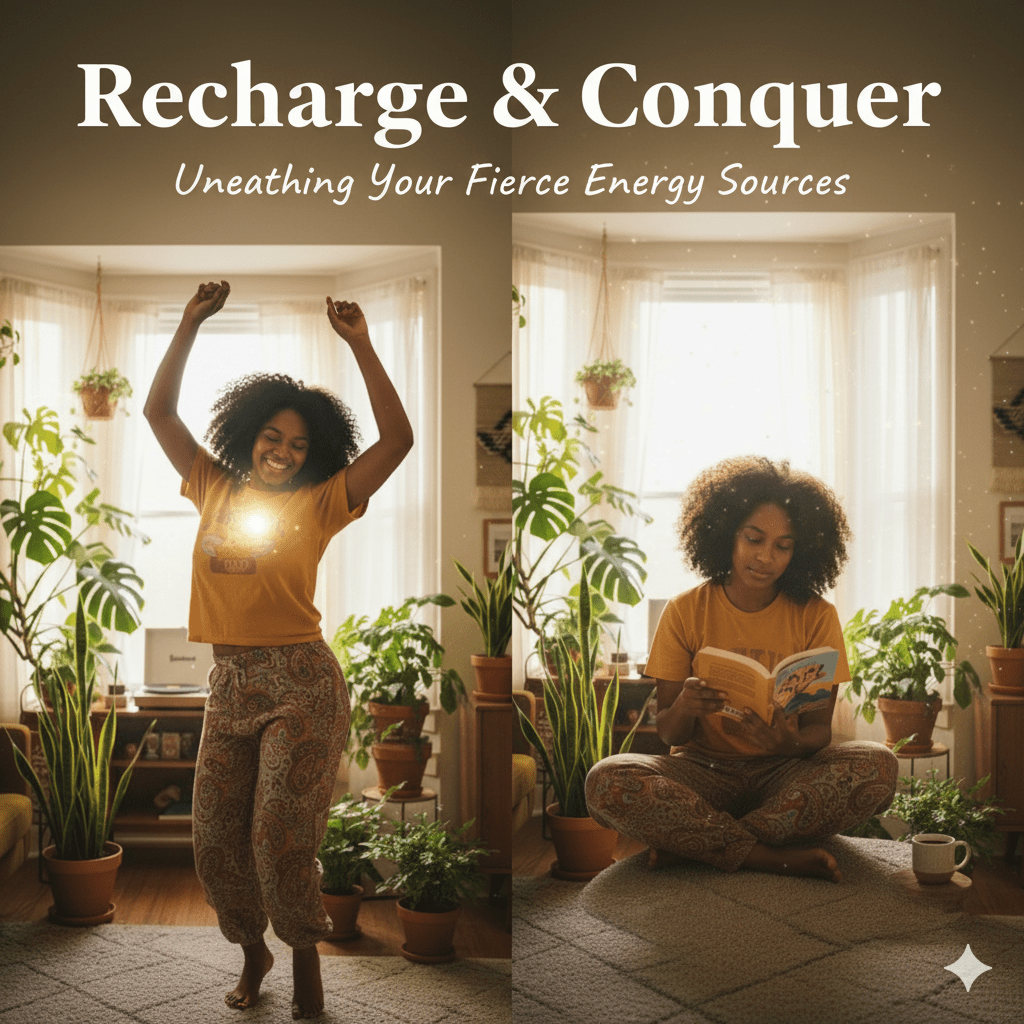
If you needed a sign to take a break, this is it. Stop glorifying the grind and start celebrating the recharge. Whether it’s painting, dancing, singing, gardening, or just sitting outside with a book, find your thing and let it take you away for a while.
Because sometimes, the best way to check in with yourself is to check out of everything else.



 Fierce Millenial
Leave a comment