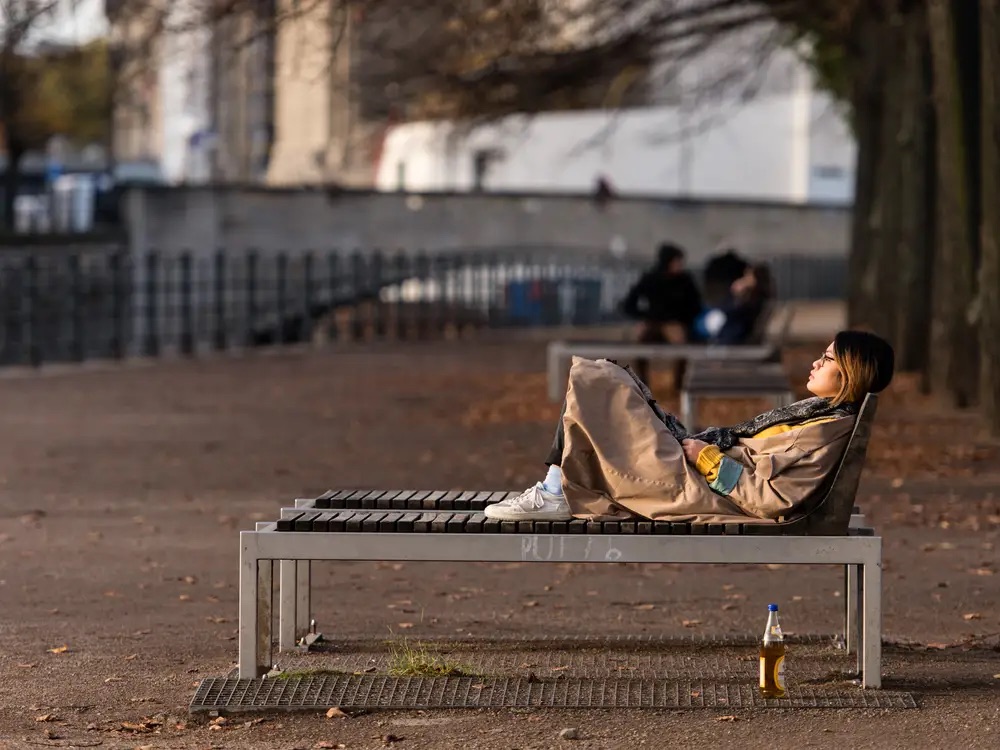
Remember that feeling of FOMO, the fear of missing out, that used to grip us in the age of dial-up internet and pre-smartphone social media? Yeah, well, hold onto your hats,, because there’s a new epidemic in town, and it’s way lonelier than any empty inbox ever was.
The Surgeon General just dropped a bombshell advisory, warning about the devastating impact of loneliness and isolation in the United States. Turns out, that gnawing feeling of being disconnected isn’t just a temporary social media blues – it’s a full-blown public health crisis, affecting millions of Americans across all demographics, including a disproportionate number of Black women.
This isn’t your grandma’s loneliness, confined to rocking chairs and porch swings. We’re talking about loneliness in the age of constant connection, where swiping right feels easier than making eye contact, and curated Instagram feeds mask a hollowness that even the perfect avocado toast can’t fill.
The Numbers Don’t Lie:
- The Surgeon General’s report estimates that nearly half of all Americans report feeling lonely or socially isolated at least some of the time.
- Black women are disproportionately affected, with nearly 60% reporting feelings of loneliness.
- Loneliness is linked to a series of health problems, including depression, anxiety, heart disease, and even premature death.

So, what’s the deal? Why are we all so damn lonely in a world that’s more connected than ever before?
The truth is, there’s no one-size-fits-all answer. The rise of social media, technological dependence, and the erosion of community play a part. But for Black women, the factors adding to the loneliness equation are complex and multifaceted. Systemic racism, discrimination, and the legacy of historical trauma can all contribute to feelings of isolation and disconnection.

But here’s the good news: this isn’t some hopeless situation. The Surgeon General’s report isn’t just a downer – it’s a call to action. We can fight back against the tide of loneliness, and it starts with recognizing the problem and reaching out to each other.
Here are a few things we can do:
- Put down the phone and pick up a real conversation. Make eye contact, smile at strangers, and engage in face-to-face interactions.
- Reconnect with your community. Volunteer, join a club, or simply strike up conversations with your neighbors.
- Prioritize real-life relationships. Schedule time with friends and family, and make an effort to be present in those moments.
- Check in on others. Reach out to loved ones who might be struggling with loneliness, and offer a listening ear and a helping hand.
- Advocate for change. Support policies that promote social connection and combat social isolation.
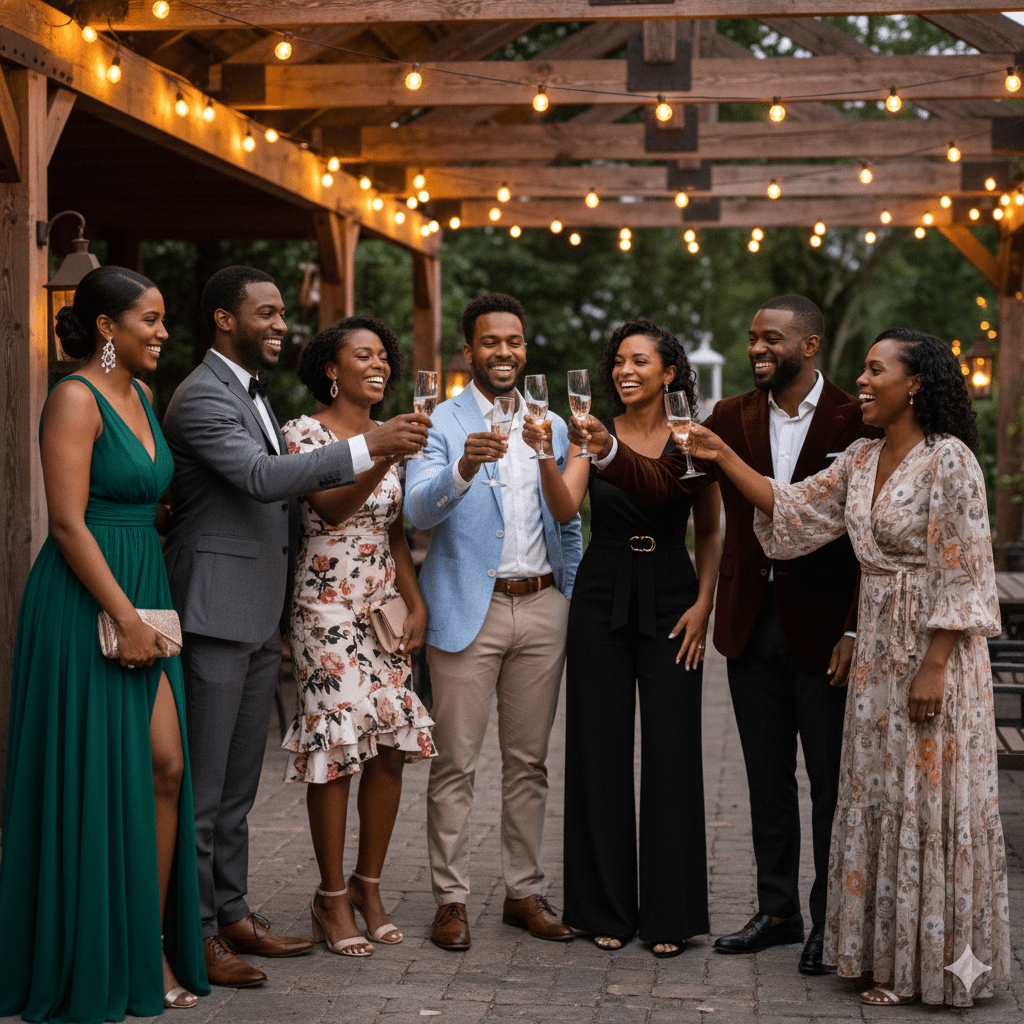
This isn’t a sprint, it’s a marathon. But by working together, we can build a world where connection is the norm, not the exception. Let’s turn this “Forever Alone” narrative into a “Fiercely Connected” movement.
Remember, we’re all in this together. So let’s break the cycle of loneliness, one conversation, one smile, one act of kindness at a time.
Because in the end, it’s not about the number of likes we get, but the depth of the connections we make.
#BreakTheLoneliness #ConnectAndThrive #FiercelyConnected



 Fierce Millenial
Leave a comment