

A Look Beyond the Headlines at the Allegations Against Atlanta’s District Attorney
The recent allegations against Atlanta District Attorney Fani Willis have sent shockwaves through the city and beyond. While the legal process unfolds, it’s crucial to examine the situation with nuance and understand why it resonates deeply, particularly for Black women.
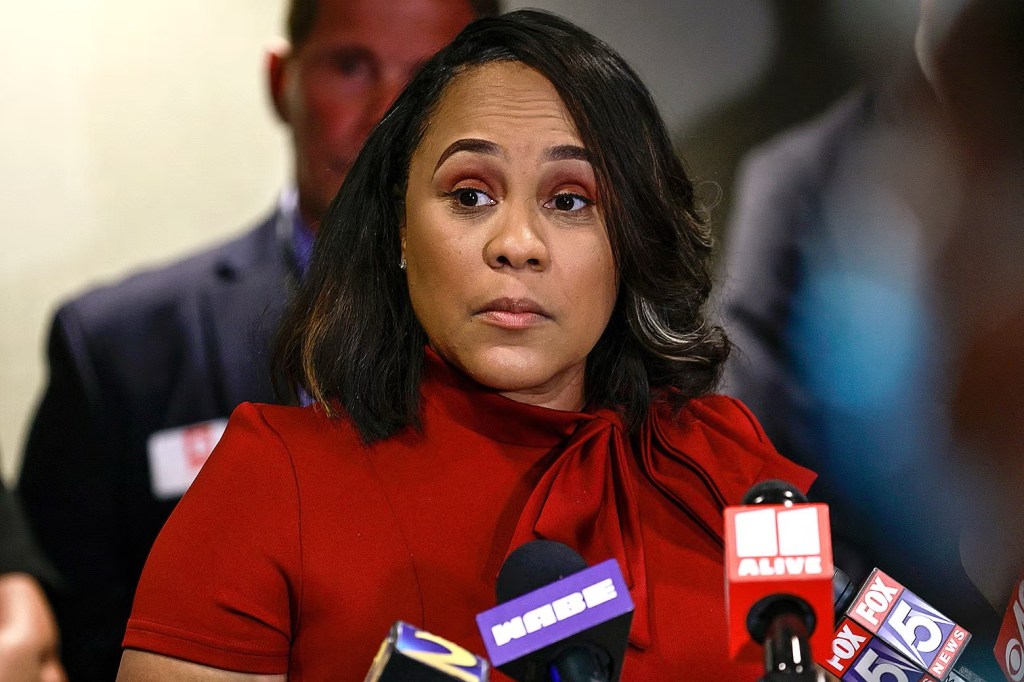
Willis, the first Black woman to hold this position in Atlanta, rose to prominence on a platform of progressive reform. She vowed to tackle racial bias in the system and hold police accountable. Her work resonated with many, especially Black women who have long faced the brunt of a flawed justice system.
However, the recent accusations of prosecutorial misconduct and witness tampering have cast a shadow over her tenure. The implications are complex:
- Erosion of Trust: If true, these allegations could erode the trust Black communities have placed in Willis and the criminal justice system as a whole.
- Setbacks for Reform: Progress in addressing racial bias and police accountability could be hindered, potentially derailing important conversations and initiatives.
- Wider Implications for Black Women: This case transcends Willis’ individual role. It’s a stark reminder of the double standards and heightened scrutiny Black women in positions of power often face.

Beyond the headlines, it’s vital to remember:
- Presumption of Innocence: Willis maintains her innocence, and due process must be followed before any conclusions are drawn.
- Importance of Scrutiny: Holding powerful figures accountable, regardless of race or gender, is essential for a just society.
- Continuing the Fight for Justice: The fight for racial equity and fair treatment within the criminal justice system must continue, regardless of individual cases or figures.
This situation is a stark reminder that the path to justice is often complex and fraught with challenges. It’s our collective responsibility to remain engaged, demand accountability, and continue advocating for a system that works for everyone, especially Black women who have been historically marginalized and underserved.




 Fierce Millenial
Leave a comment