
Music mogul’s return with new album sparks debate about accountability, second chances, and separating artist from art.
Diddy’s silence is broken, but the music industry isn’t sure what tune to play. After a hiatus following public allegations of sexual misconduct, the mogul’s surprise Instagram promotion of “The Love Album: Off The Grid,” just before the Grammys has ignited a discordant debate. This comeback throws the spotlight on complex questions about accountability, the #MeToo movement, and the ever-present struggle to separate artist from art. The timing, mere hours before the Grammys, adds another layer of dissonance, prompting discussions about the industry’s own responsibility in addressing allegations and fostering a space free from harm.
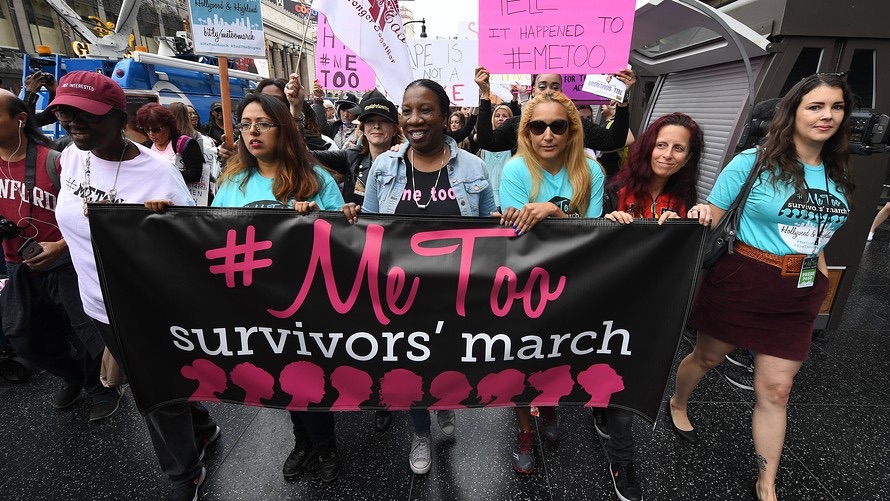
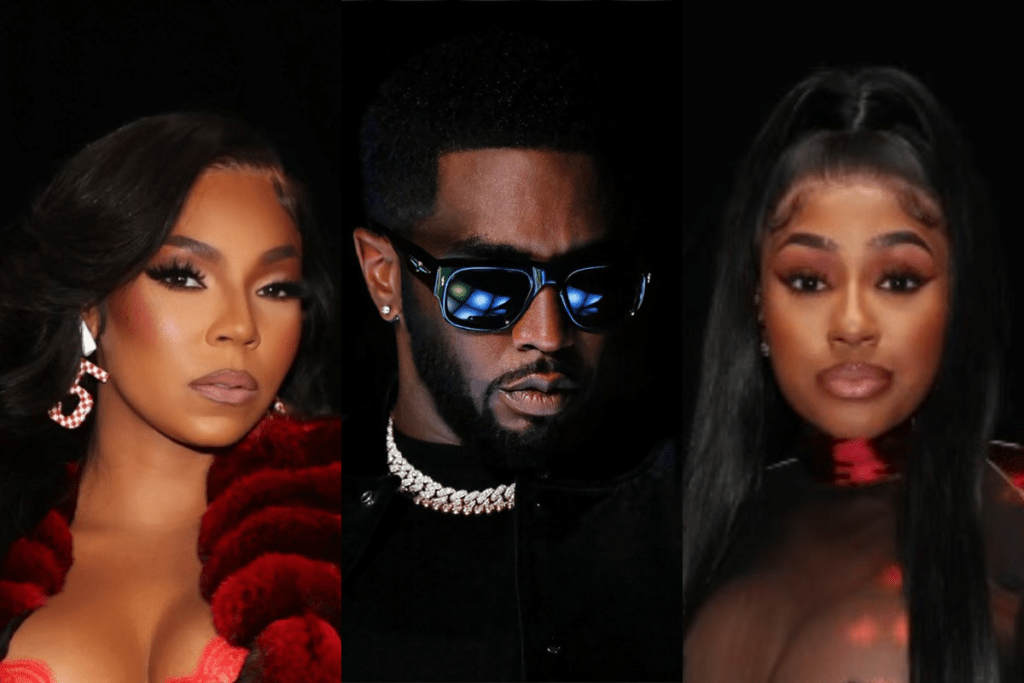
“The Love Album” marks Diddy’s first solo project in seven years. It features collaborations with a diverse range of artists, including Bryson Tiller, Jhené Aiko, and Jazmine Sullivan, Ashanti, and Yung Miami. The album explores themes of love, loss, and redemption, with a focus on self-reflection and personal growth. However, its release cannot be divorced from the context surrounding it. Allegations of sexual misconduct leveled against Diddy in recent years cast a shadow over the project, prompting complex conversations about accountability, artistic expression, and the separation of artist from art.
Diddy’s return forces the music industry to confront uncomfortable questions. Should past actions disqualify artists from future success, regardless of the quality of their music? How can the industry foster genuine accountability for harmful behavior? There’s no easy answer. While some argue for the power of redemption and second chances, others prioritize survivor voices and the need for consequences. This complex debate forces the industry to grapple with its own accountability structures and the impact artist actions have on fans, survivors, and the wider community. Ultimately, navigating this conversation requires acknowledging diverse perspectives with empathy and a commitment to fostering a safer, more equitable space for all.

This isn’t just about one album or one artist. Diddy’s comeback offers a critical moment for open and respectful dialogue about accountability, second chances, and the lasting impact of artist actions. We invite you to share your thoughts in the comments below. Should artists face consequences regardless of their talent? Can redemption coexist with past harm? How can we create an industry that prioritizes safety and equality for all? Let’s engage in this conversation with empathy, nuance, and a commitment to fostering a better future for music and beyond.



 Fierce Millenial
Leave a comment