

A recent ruling in Texas has sparked renewed conversation about the limitations of the CROWN Act (Creating a Respectful and Open World for Natural Hair) and its ability to protect against hair discrimination based on race. In the case, a Black teenager was suspended from school for refusing to cut his dreadlocks, which the school deemed a violation of their dress code policy.
The judge ruled in favor of the school district, stating that the policy itself doesn’t explicitly target specific hairstyles and therefore doesn’t violate the CROWN Act. However, this decision has been met with widespread criticism, raising concerns about the potential for loopholes and the continued existence of implicit bias within seemingly neutral policies.

Key Points:
- A Texas judge ruled that a school’s dress code policy, which led to the suspension of a Black teenager for his dreadlocks, did not violate the state’s CROWN Act.
- This decision has reignited discussions about the limitations of the CROWN Act and the need for stronger protections against hair discrimination.
- The case highlights the ongoing struggle for Black individuals to embrace their natural hairstyles without facing bias and discrimination.
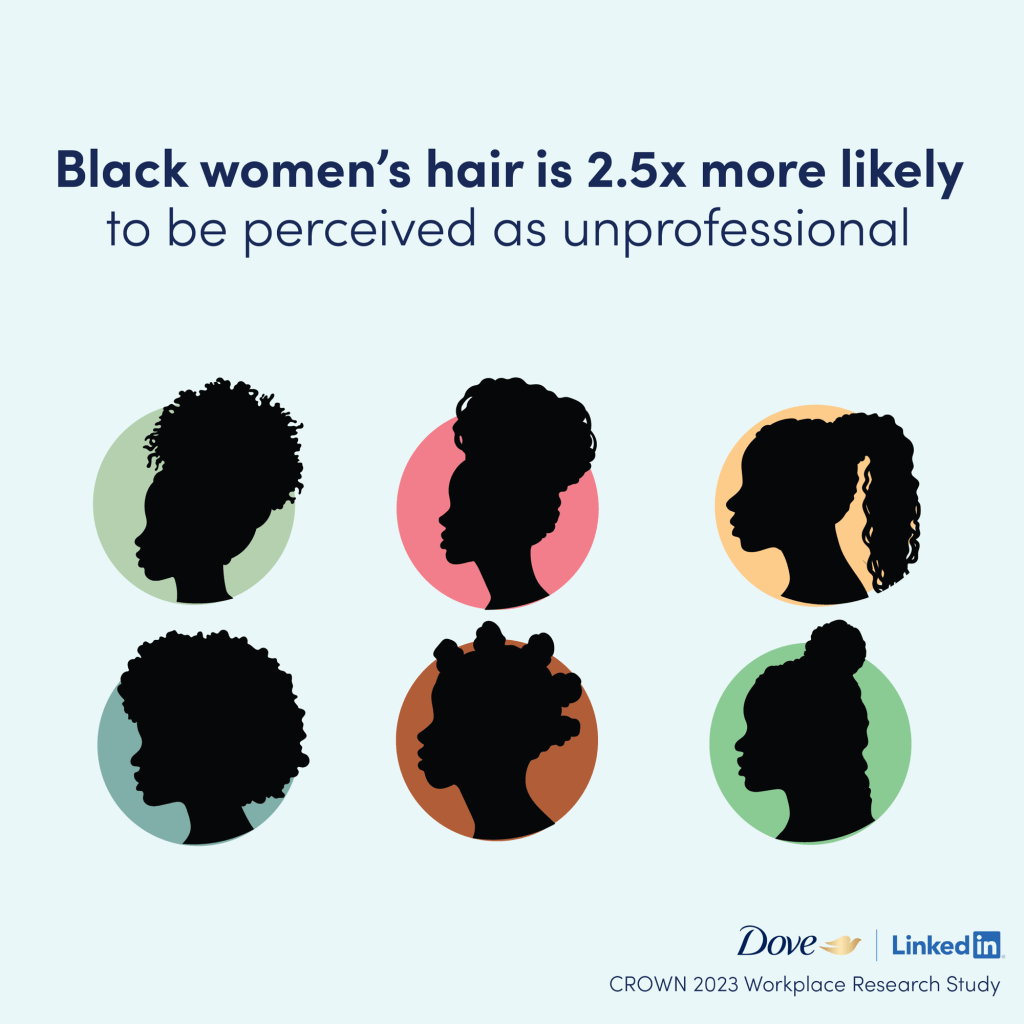
Share your thoughts and experiences in the comments below. Do you think the judge’s ruling was fair? How can we ensure that the CROWN Act effectively protects individuals from hair discrimination based on race?




 Fierce Millenial
Leave a comment