

A new report highlights the rise of virtual abortion care, prompting important discussions for women’s health.
The landscape of abortion access is shifting. A new report reveals that 16% of all abortions in the United States are now conducted via telemedicine. This marks a significant rise in virtual abortion services, raising important questions about women’s reproductive rights, healthcare equity, and the future of medicine.
What is Virtual Abortion Care?
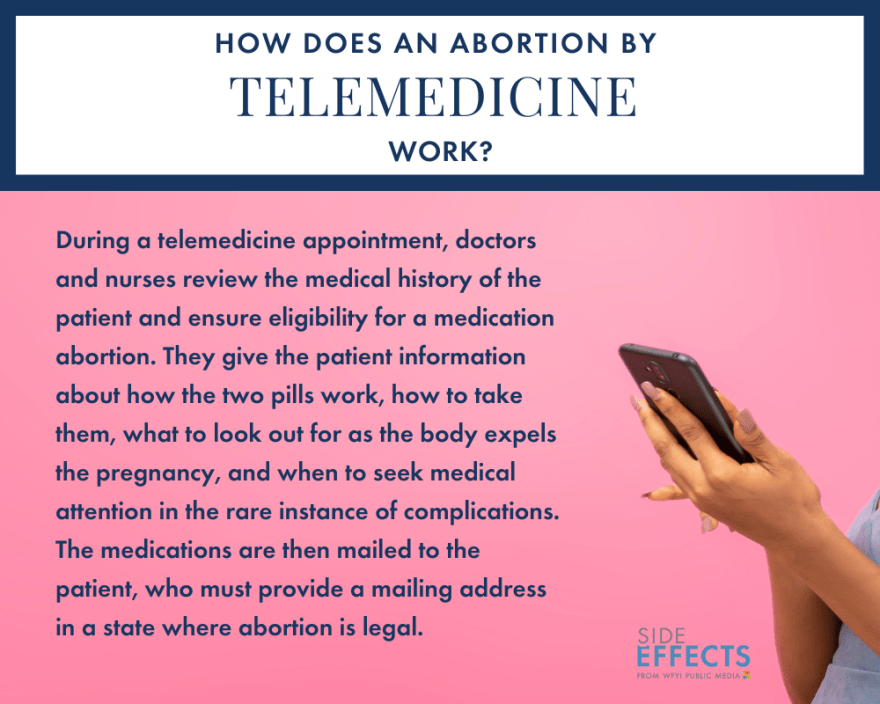
Virtual abortion care, also known as medication abortion at home, involves a telehealth consultation with a medical provider. If eligible, the patient receives abortion pills (mifepristone and misoprostol) by mail. This method is FDA-approved for pregnancies up to 10 weeks and offers a safe and effective option for many women.
Benefits of Telemedicine for Abortion
- Increased Access: Virtual abortion care eliminates travel barriers, especially for women in rural areas or states with restrictive abortion laws.
- Enhanced Privacy: Telemedicine provides a confidential and discreet option, vital for those concerned about stigma or safety.
- Convenience: Virtual consultations fit into many women’s busy schedules and can be managed from the comfort of home.
Challenges & Considerations
- State Restrictions: Many states have laws prohibiting or severely limiting access to virtual abortion care. Keep yourself informed about regulations in your location.
- Not Suitable for Everyone: Telemedicine abortion might not be appropriate in cases of ectopic pregnancies, medical complications, or lack of access to follow-up care.
- Emotional Support: While virtual abortion can be empowering, it’s essential to have emotional support systems in place, whether from loved ones, hotlines, or therapists.

Fierce Millennials, Let’s Talk About It
This report sparks essential conversations about the evolving nature of healthcare and women’s reproductive rights. Here are some things for us to consider:
- How can we advocate for increased access to virtual abortion care, especially in underserved communities?
- What resources can we share to ensure women have reliable information about their options?
- How can we support those who choose virtual abortion care while also holding space for all reproductive experiences?





 Fierce Millenial
Leave a comment