
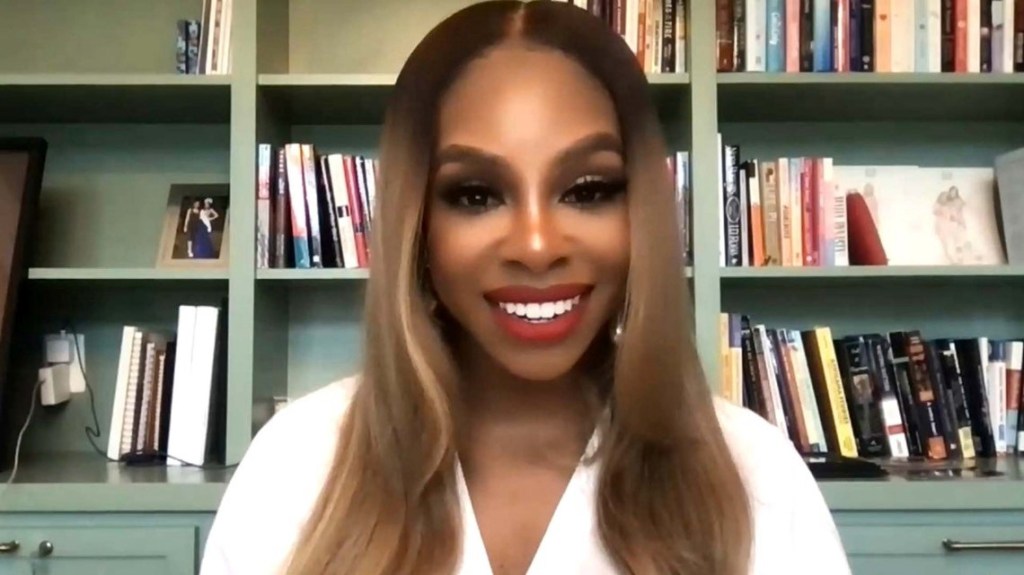
The ‘RHOP’ star’s words on skin tone and parenting spark a complex conversation.
Candiace Dillard Bassett, known for her role on the reality show “Real Housewives of the Potomac,” recently opened up about a sensitive topic: her “fear” of having light-skinned children. While her comments initially created a buzz online, it’s important to go beyond surface reactions and unpack the deeper issues at play.
Colorism: A Lingering Legacy
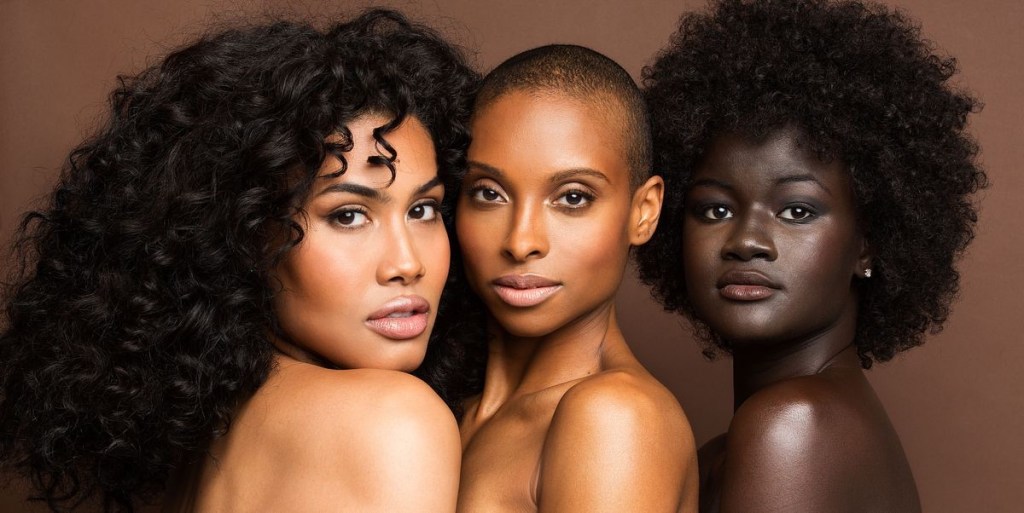
Dillard Bassett’s statement taps into the pervasive issue of colorism – discrimination based on variations in skin tone within a community. Historically, lighter skin has often been associated with privilege and desirability, a legacy of colonialism and systemic oppression. This prejudice still affects Black women and girls today.
“I want my kids to be brown,” Dillard Bassett said in a podcast interview, followed by, “But they’re probably not gonna be brown. And I’m like, becoming okay with it.”
Protecting Her Children?
Some have interpreted Dillard Bassett’s statement as internalized colorism. Yet, others suggest she might be voicing a genuine fear – that her future children may face the same discrimination she has battled throughout her life. It’s a complex emotion for a mother to grapple with.
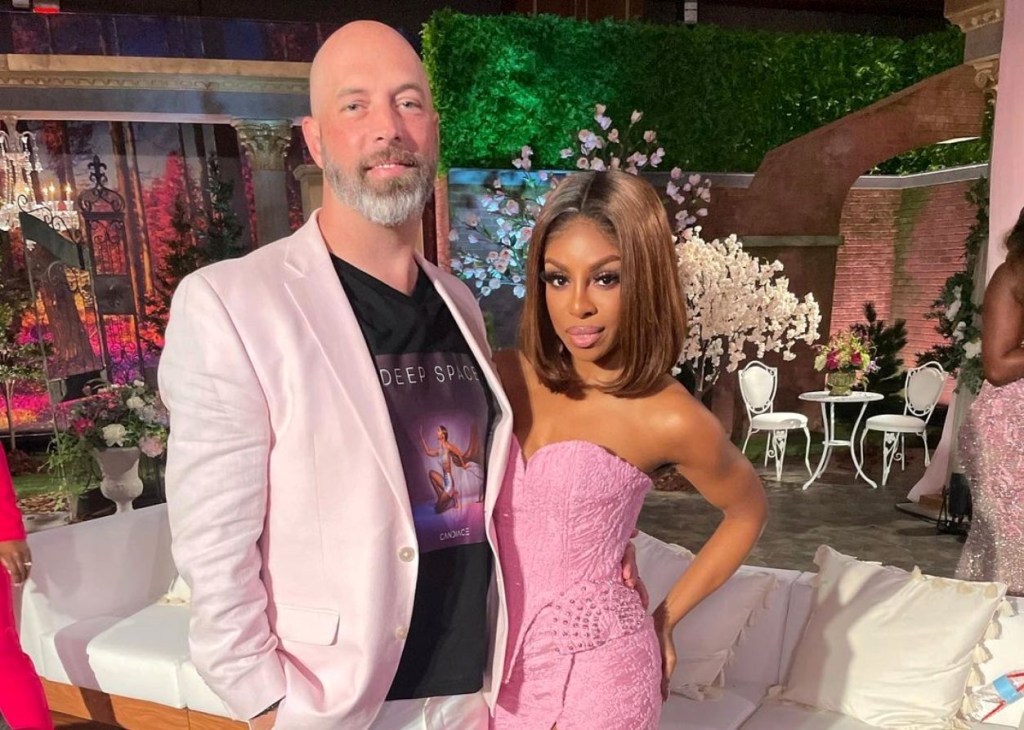
The Reality Of Mixed-Race Families
With her husband, Chris Bassett, being white, it’s natural for Dillard Bassett to consider the potential skin tone of their future children. Mixed-race families are increasingly common, and it’s vital to celebrate the beauty and diversity within them. Simultaneously, we must acknowledge the unique challenges that biracial and multiracial children may face in a society still grappling with colorism.
Sparking A Conversation
Whether we agree with Candiace Dillard Bassett’s words or not, they have ignited important conversations around:
- Colorism within the Black community: It’s time to confront the harmful beauty standards and prejudices based purely on skin tone.
- Motherhood and Identity: Mothers of color face added pressures related to their children’s wellbeing and how the world might perceive them.
- Mixed-Race Experiences: We must listen to mixed-race individuals, elevate their voices, and support them in navigating their complex identities.
Beyond the Controversy
While celebrity comments can be controversial, they can also be opportunities for meaningful growth. Let’s use this moment to examine our own potential biases, and commit to creating a more inclusive and equitable society where all skin tones are valued and celebrated.




 Fierce Millenial
Leave a comment