Examining how internalized misogyny and homophobia can fuel toxic behavior.
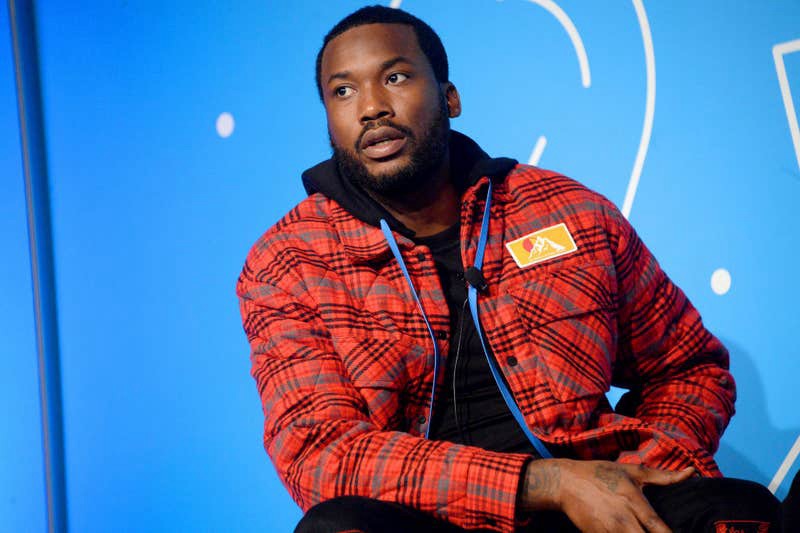
Meek Mill is trending yet again, but sadly, it’s not for his music. The rapper has been embroiled in repeated online meltdowns, triggered by persistent rumors about his sexuality. While celebrity gossip can be titillating, Meek Mill’s reaction lays bare something deeper – a troubling mix of misogyny, homophobia, and deeply ingrained insecurities that manifest as a desperate need to ‘prove’ his heterosexuality.
Meek Mill’s Pattern of Lashing Out
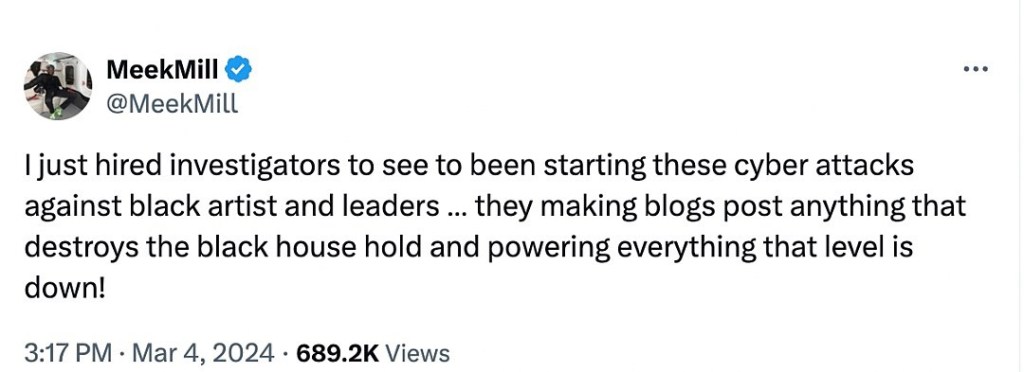
Meek Mill’s public unraveling isn’t new. In past feuds with Drake and Nicki Minaj, he similarly resorted to misogynistic insults, questioning their relationships or sexual agency. This latest escalation, filled with homophobic slurs and vehement denials, is less about the rumors themselves and more about a man who seems terrified of being perceived as anything less than stereotypically hyper-masculine.

Misogyny and Homophobia: Two Sides of the Same Coin
It’s important to understand that homophobia and misogyny stem from the same root: the devaluing and fear of what’s considered ‘feminine.’ Gay men, especially if they don’t fit traditional masculine stereotypes, are seen as a threat to this narrow idea of manhood. In Meek Mill’s world, these baseless rumors aren’t just a personal attack; they feel like a challenge to his very identity as a powerful, heterosexual man.
What Happens When We Don’t Talk About It
Ignoring these outbursts only normalizes harmful behavior. Left unchallenged, this type of toxic masculinity perpetuates the idea that expressing any sensitivity, empathy, or behavior coded as ‘feminine’ is a source of shame. And this shame often gets externalized, targeting women and members of the LGBTQ+ community.
Shifting the Conversation
While Meek Mill provides a cautionary tale, it’s also an opportunity. We need to have honest conversations about how rigid gender expectations harm all of us, regardless of sexual orientation. It’s time to celebrate all forms of masculinity, those that embrace vulnerability and emotional health alongside strength. Only then can we create a future where men don’t lash out defensively because they feel their identity is threatened.



 Fierce Millenial
Leave a comment