

An honest look at how artificial intelligence is changing the writing landscape – and whether humans will become obsolete.
Artificial intelligence (AI) is everywhere. It recommends shows we might like, helps us navigate traffic jams, and even writes our emails (sometimes a little too well). But as A.I. gets more advanced, the question arises: is it a threat to our creativity? Will robots eventually replace human writers entirely?
This is more than a theoretical debate for those of us who put our hearts and souls into writing. Whether we’re journalists, novelists, or bloggers like me, AI’s progress leaves us both intrigued and just a little bit anxious. So let’s dive into this complex issue.

AI’s Rapid Rise in the Writing World
AI-powered writing tools are getting scarily sophisticated. They can generate passable blog posts, craft social media copy, and even churn out news articles with decent accuracy. These tools aren’t just following basic templates – they’re learning to analyze vast amounts of data and mimic human writing styles.
Here’s where things get interesting – and slightly unsettling. AI tools can write different versions of the same piece tailored to specific audiences, adjusting tone and vocabulary as needed. They can even learn to cater to particular emotional states. Imagine an AI producing a soothing blog post versus a fiery political rant. The capabilities are endless.

Potential Benefits of AI Writing
Let’s not paint AI as the villain just yet. There are upsides:
- Efficiency: AI tools save time on routine tasks (like product descriptions or basic reports), freeing up writers for more complex work.
- Accessibility: AI can help non-native speakers or those with dyslexia express themselves more clearly.
- Data-Driven Insights: AI can analyze large datasets to identify trends and patterns that human writers might miss.

The Human Touch: is AI Can’t Fully Replace Us (Yet)
Despite its rapid progress, AI still has significant limitations:
- Originality: AI relies on existing data. It’s good at remixing but struggles to generate truly groundbreaking ideas.
- Emotional nuance: AI can’t fully grasp the subtleties of human emotion, humor, or complex social dynamics.
- Critical Thinking: AI can analyze facts but lacks the capacity to form nuanced opinions or engage in philosophical debates.
- The Writer-Reader Connection: At its core, writing is about forming a human connection. AI can’t replace the empathy and lived experiences that we bring to our stories.
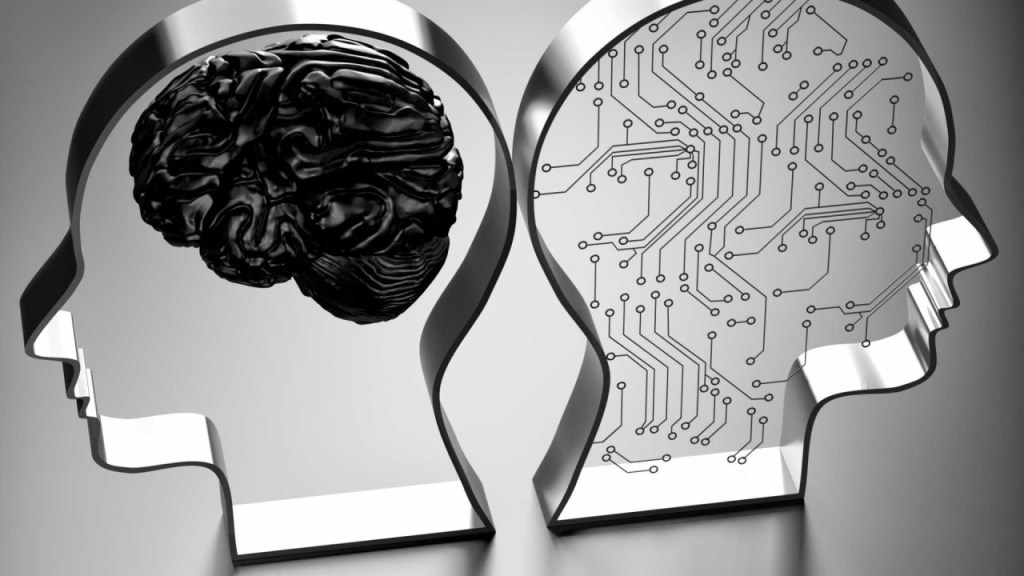
What Does the Future Hold?
It’s safe to say that AI isn’t going anywhere. So, instead of resisting it, we writers need to adapt. Here’s how:
- Embrace Collaboration: View AI as a tool, not a replacement. Use it for brainstorming, research, and basic drafts, but always add your unique voice and insights.
- Focus on Your Niche: AI thrives on generic content. Develop expertise in a specific area, making your human knowledge invaluable.
- Sharpen Your Storytelling: The ability to craft compelling narratives and connect with an audience will always be a human strength.
- Become an AI Editor: Learn to guide and refine AI output, combining the best of both worlds.





 Fierce Millenial
Leave a comment