

It’s Time to Reconsider Your Dishwashing Routine
Let’s talk about something that’s probably lurking in your kitchen right now, something you use daily without a second thought: your kitchen sponge. That soft, absorbent tool you use to scrub your dishes? Yeah, it’s likely a breeding ground for a whole host of bacteria, including E. coli and Salmonella.
We know, it’s not the most glamorous topic, but it’s important. Your health is at stake here. So, let’s dive into the gross details and figure out how to keep your kitchen clean and germ-free.
The Gross Truth About Kitchen Sponges
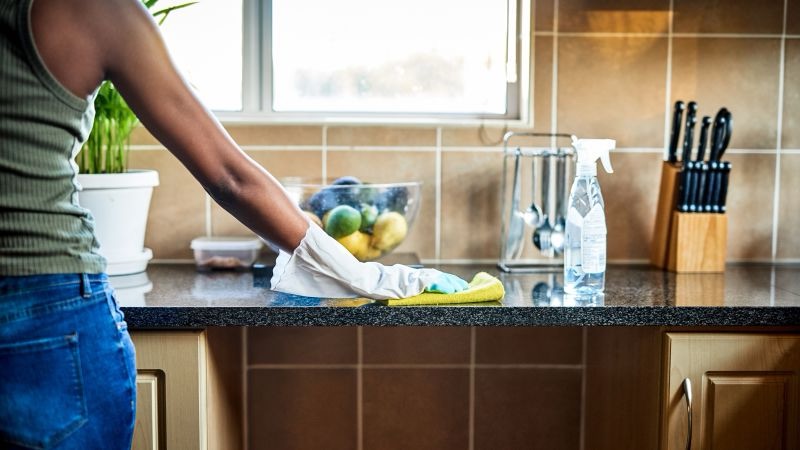
Imagine your sponge as a tiny, squishy petri dish. Every time you wipe up a spill, scrub a plate, or clean a counter, you’re transferring bacteria, food particles, and other gross stuff into that sponge. And those cozy, damp conditions are the perfect environment for bacteria to multiply like crazy.
Studies have shown that kitchen sponges can harbor billions of bacteria per square inch. Yes, you read that right. Billions. To put that into perspective, that’s more bacteria than you’ll find on a toilet seat. So, next time you’re reaching for that sponge to clean your dishes, remember that you might be spreading more germs than you’re cleaning up.

Why You Should Be Concerned
You might be thinking, “Okay, so my sponge is gross, but it’s just a sponge. What’s the big deal?” Well, the big deal is that these bacteria can easily transfer to other surfaces in your kitchen, including your countertops, cutting boards, and even your food. This can lead to food poisoning and other illnesses.
Plus, if you have a weakened immune system, the bacteria on your sponge can pose a more significant health risk. So, it’s essential to take steps to minimize the bacteria buildup in your kitchen.

How to Keep Your Kitchen Sponge (Relatively) Clean
We know, it’s impossible to completely eliminate bacteria from your kitchen sponge. But there are some things you can do to reduce the number of germs and prolong the life of your sponge:
- Microwave it: This is a quick and easy way to kill many of the bacteria in your sponge. Just wet the sponge, place it in the microwave-safe dish, and microwave it on high for one minute. Let it cool before handling.
- Dishwasher it: Running your sponge through the dishwasher on a hot cycle can also help to kill bacteria.
- Bleach it: Create a bleach solution (one part bleach to nine parts water) and soak your sponge for five minutes.Rinse thoroughly before use.
- Replace it regularly: Even with regular cleaning, your sponge will eventually become a breeding ground for bacteria. It’s recommended to replace your sponge every two weeks.
Credit: Sarah Crowley Credit: Sarah Crowley
Sponge Alternatives
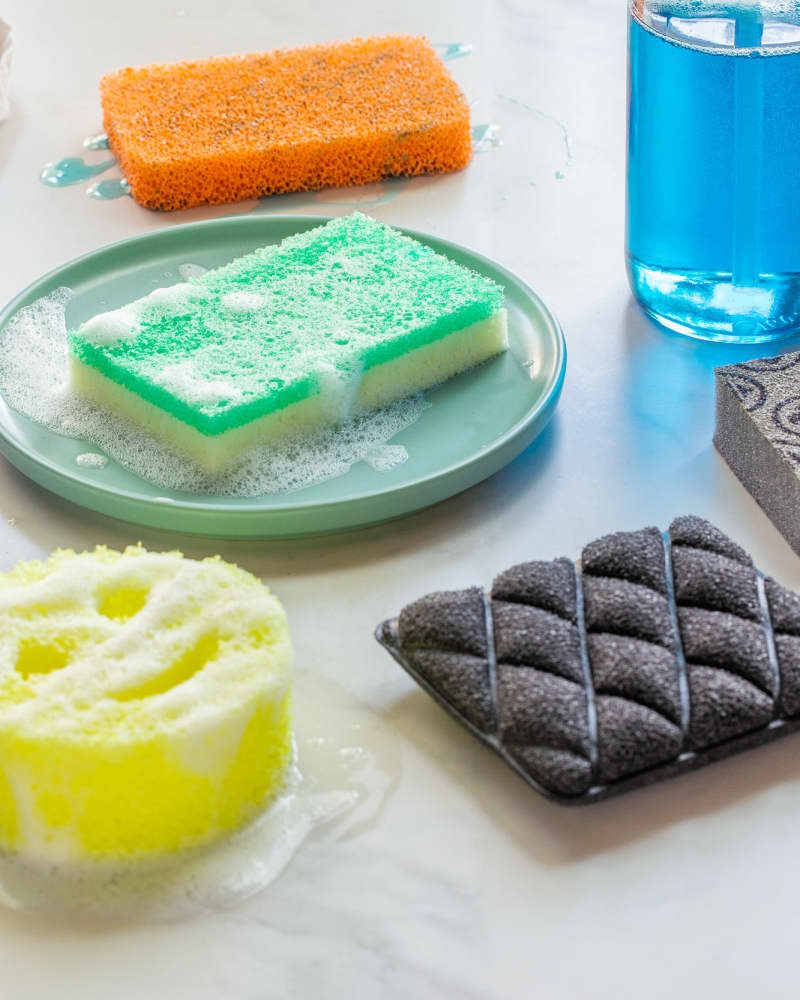
If you’re really grossed out by the idea of a kitchen sponge, there are plenty of alternatives available. Here are a few options to consider:
- Dishcloths: Dishcloths can be washed in the washing machine, making them a more hygienic option than sponges.
- Scrub brushes: For tough cleaning jobs, a scrub brush can be a good alternative to a sponge.
- Silicone sponges: These sponges are more durable and easier to clean than traditional sponges.
- Paper towels: While not eco-friendly, paper towels can be a quick and easy way to clean up messes without spreading germs.
Your kitchen sponge might be one of the dirtiest items in your home, but it doesn’t have to be. By following these tips,you can significantly reduce the number of bacteria on your sponge and keep your kitchen clean and safe.

The Spruce / Leticia Almeida
Remember, prevention is key. Wash your hands frequently, clean your kitchen surfaces regularly, and don’t cross-contaminate food. And, of course, don’t forget to replace your kitchen sponge every two weeks.
Your health is worth it.





 Fierce Millenial
Leave a comment