

Navigating the Complexities of Modern Relationships
We’ve all heard the term “breakup” thrown around like confetti at a wedding. It’s become so commonplace that we often use it to describe any kind of relationship hiccup. But what actually constitutes a healthy breakup? Is it simply the end of a romantic partnership, or is it something more nuanced? Let’s dive into the complexities of modern relationships and redefine what it means to part ways.
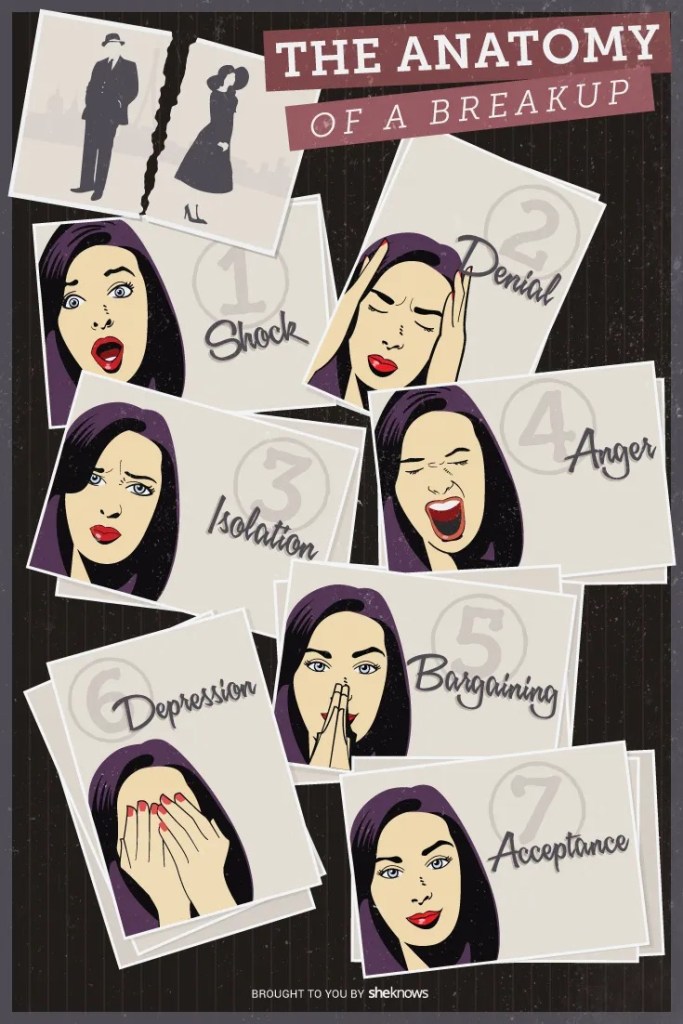
Rethinking the Rules
Gone are the days of dramatic breakups involving slammed doors and tear-soaked tissues. Today, relationships often have a more fluid dynamic, with couples taking extended breaks, “cooling off,” or engaging in open relationships. While these arrangements can work for some, it’s essential to distinguish between a healthy pause and a full-blown breakup.
A healthy breakup is about recognizing that a relationship has run its course and that ending it is the best decision for both parties involved. It’s about prioritizing personal growth, healing, and moving forward. On the other hand, a relationship pause might be a temporary measure to address specific issues or to create space for individual development.
Signs of a Healthy Breakup
So, how do you know if your breakup is on the right track? Here are some key indicators:
- Mutual Respect: Both parties can communicate openly and honestly, without resorting to blame or accusations.
- Clear Boundaries: There’s a mutual understanding of what the breakup means and what is and isn’t acceptable behavior.
- Emotional Closure: Both individuals have had the opportunity to process their feelings and reach a sense of acceptance.
- Focus on Self-Care: Both people are prioritizing their own well-being and personal growth.
- No Drama: There are minimal emotional outbursts, public displays of affection, or attempts to sabotage the other person’s life.
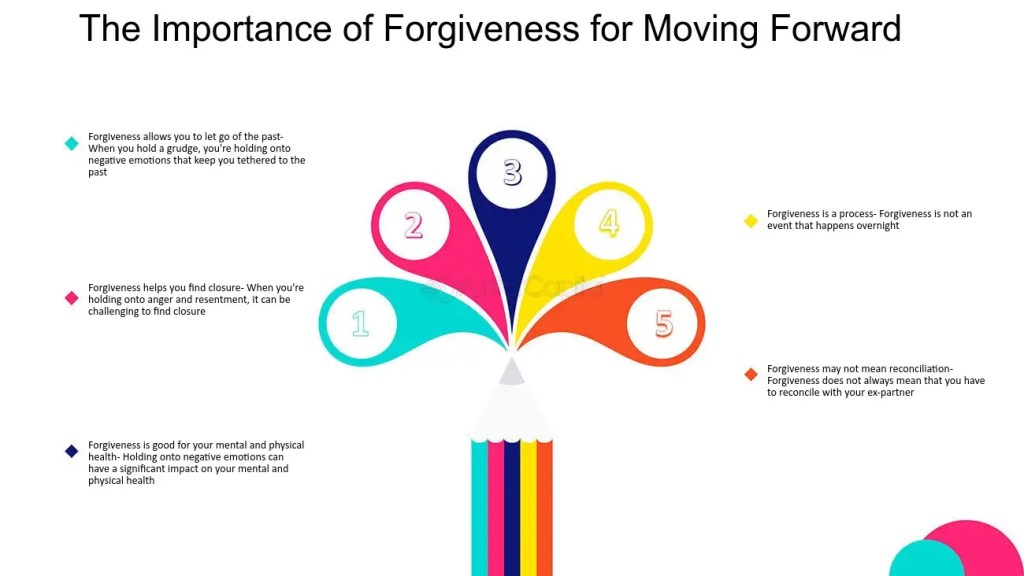
Navigating the Aftermath
Breaking up is never easy, but it’s essential to approach the aftermath with intention. Here are some tips for a smoother transition:
- Allow Yourself to Grieve: It’s okay to feel sad, angry, or confused. Give yourself time to process your emotions.
- Build a Support System: Surround yourself with friends and family who can offer love and support.
- Focus on Self-Improvement: Use this time to work on personal goals, hobbies, and self-care.
- Limit Contact: While it’s tempting to stay connected, it’s important to create distance to allow for healing.
- Avoid Rebounds: Jumping into a new relationship too quickly can hinder your emotional recovery.
When to Seek Help
If you’re struggling to cope with a breakup or find yourself stuck in a toxic cycle, it’s essential to seek support. A therapist can provide guidance, tools, and strategies to help you navigate this challenging time.

Breakups are a natural part of life, but they don’t have to be a disaster. By understanding the signs of a healthy breakup and prioritizing self-care, you can emerge from this experience stronger and more resilient. Remember, every breakup is unique, and there’s no one-size-fits-all approach. Trust your instincts and do what’s best for you.





 Fierce Millenial
Leave a comment