

Describe one habit that brings you joy.
Uncovering the therapeutic power of putting pen to paper
In a world that often feels like a relentless hamster wheel of noise and distraction, finding moments of peace and clarity can feel like a luxury. For me, that sanctuary has been journaling. It’s not about flowery prose or deep philosophical musings (though those have their place). It’s about raw, honest expression, and the incredible power of putting thoughts and feelings onto paper.
The unexamined life is not worth living.- Socrates
Journaling isn’t new. It’s been a tool for self-discovery and emotional regulation for centuries. But in an age dominated by social media and constant connectivity, it’s easy to overlook the simple act of writing as a form of self-care.
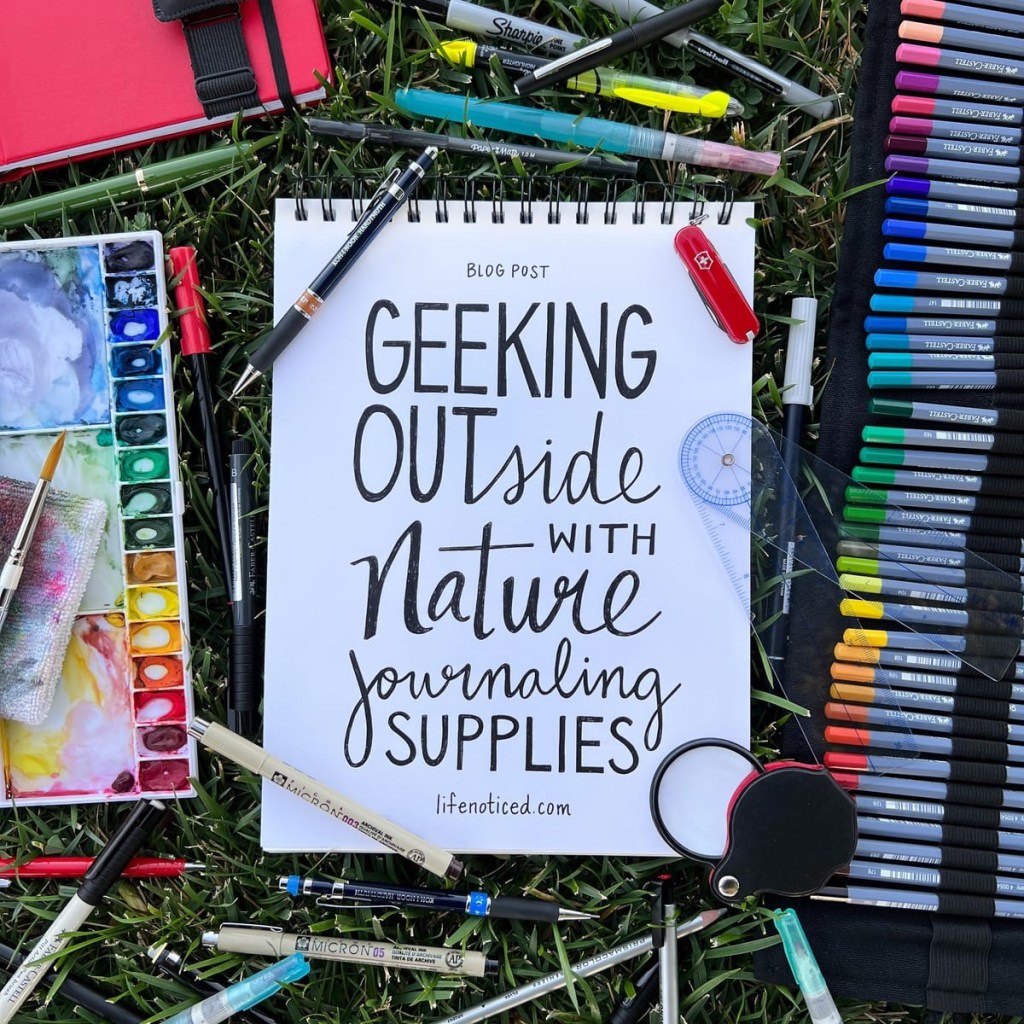
The Power of the Pen
There’s something undeniably cathartic about the physical act of writing. It’s a tangible way to process emotions, whether you’re feeling elated, overwhelmed, or somewhere in between. Putting pen to paper allows you to slow down, to focus on your thoughts and feelings without the pressure of external validation.
It is not what you look at that matters, it is what you see.- Henry David Thoreau
For me, journaling started as a way to manage stress. I’d jot down to-do lists, vent about work frustrations, and generally use it as a digital brain dump. But over time, I realized its true potential. It became a space where I could explore my thoughts, dreams, and fears without judgment.
Journaling Rituals
Everyone’s journaling style is unique, but I’ve found a few rituals that have enhanced my experience:
- Dedicated Space: Create a cozy nook where you can write without distractions. Surrounding yourself with things that inspire you can elevate the experience.
- Consistent Timing: Whether it’s first thing in the morning or before bed, finding a consistent time to journal helps establish it as a habit.
- Different Prompts: To keep things interesting, try using journaling prompts. There are countless resources online,or you can create your own.
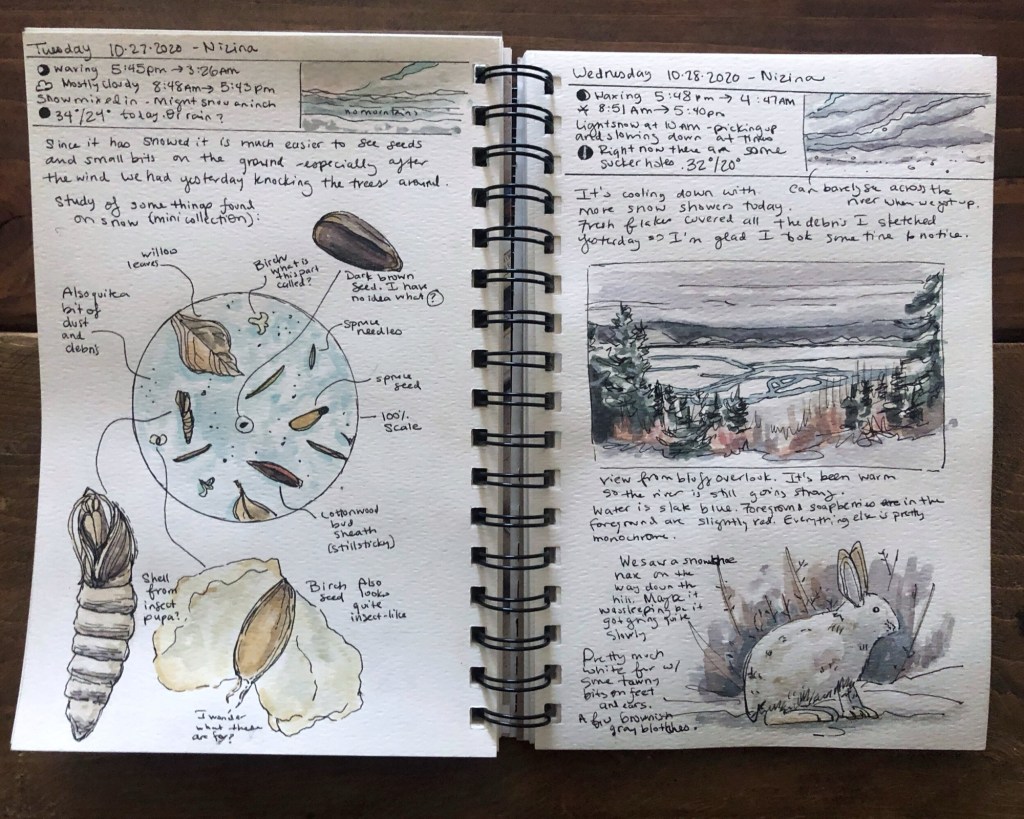
- Experiment with Formats: Don’t feel confined to traditional journaling. Try bullet journaling, gratitude journaling, or even art journaling.
The Benefits Beyond the Page
The benefits of journaling extend far beyond the act itself. Here are a few ways it’s positively impacted my life:
- Improved Mental Health: Journaling helps reduce stress, anxiety, and depression by providing an outlet for emotions.
- Increased Self-Awareness: By exploring your thoughts and feelings, you gain a deeper understanding of yourself.
- Enhanced Creativity: Journaling can spark new ideas and inspire creative pursuits.
- Better Problem-Solving: Writing about challenges can help you find solutions and develop coping mechanisms.
- Improved Sleep: Journaling before bed can help clear your mind and promote restful sleep.
There was a period in my life when everything felt like it was crashing down. Career stress was at an all-time high, relationships were strained, and I was battling a silent war with anxiety. It was during this tumultuous time that I turned to journaling as a lifeline.

Creator: Elle Mundus | Credit: Getty Images
I poured my heart out onto those pages – the fear, the frustration, the loneliness. It felt like a weight was being lifted with every word. Gradually, patterns emerged. I started to recognize the triggers for my anxiety and developed healthier coping mechanisms. Looking back at those entries, I can see how far I’ve come. It’s like having a front-row seat to my own personal growth journey.
Breaking the Stigma
Let’s be honest: journaling can feel a bit vulnerable. Sharing your inner thoughts with yourself can be intimidating. But it’s important to remember that your journal is a safe space. No one needs to see it. It’s a tool for you, and you alone.

The journey of a thousand miles begins with a single step.” – Lao Tzu
So, why not give it a try? Start small. Write for just five minutes a day. You might be surprised at the positive impact it can have on your life.
Remember: There’s no right or wrong way to journal. The most important thing is to be consistent and honest with yourself.

By Rawpixel.com
In a world that’s constantly pulling us in different directions, journaling offers a much-needed respite. It’s a chance to connect with yourself on a deeper level, to process emotions, and to find clarity amidst the chaos. So, grab a pen and paper, create your own sanctuary, and let the words flow. Your future self will thank you.




 Fierce Millenial
Leave a comment