

The Dark Side of Toxic Positivity and How to Find True Empowerment
In a world that’s constantly telling us to “manifest our dreams” and “speak positivity into existence,” it’s easy to get caught up in the allure of affirmation culture. But what happens when our relentless pursuit of happiness and success starts to backfire? Are we inadvertently sabotaging our friendships and ourselves with an overdose of toxic positivisty?
Let’s dive into the dark side of affirmation culture and explore the real consequences of this seemingly harmless trend.

The Illusion of Control
One of the biggest problems with affirmation culture is the illusion of control it creates. We’re led to believe that if we simply think positive thoughts, we can manifest anything we desire. This can set us up for disappointment when things don’t go our way, leading to feelings of self-blame and inadequacy.
The Dangers of Toxic Positivity
Toxic positivity is the practice of dismissing or downplaying negative emotions. While it might seem like a healthy way to cope with adversity, it can actually be harmful. When we suppress our feelings, they can fester and manifest in unhealthy ways, such as anxiety, depression, and substance abuse.

The Impact on Relationships
Affirmation culture can also strain our relationships. When we’re constantly focused on our own happiness and success, it can be difficult to truly connect with others. We may become less empathetic and more likely to judge others for their struggles.
Finding True Empowerment
So, what’s the solution? How can we find true empowerment without falling into the trap of toxic positivity?
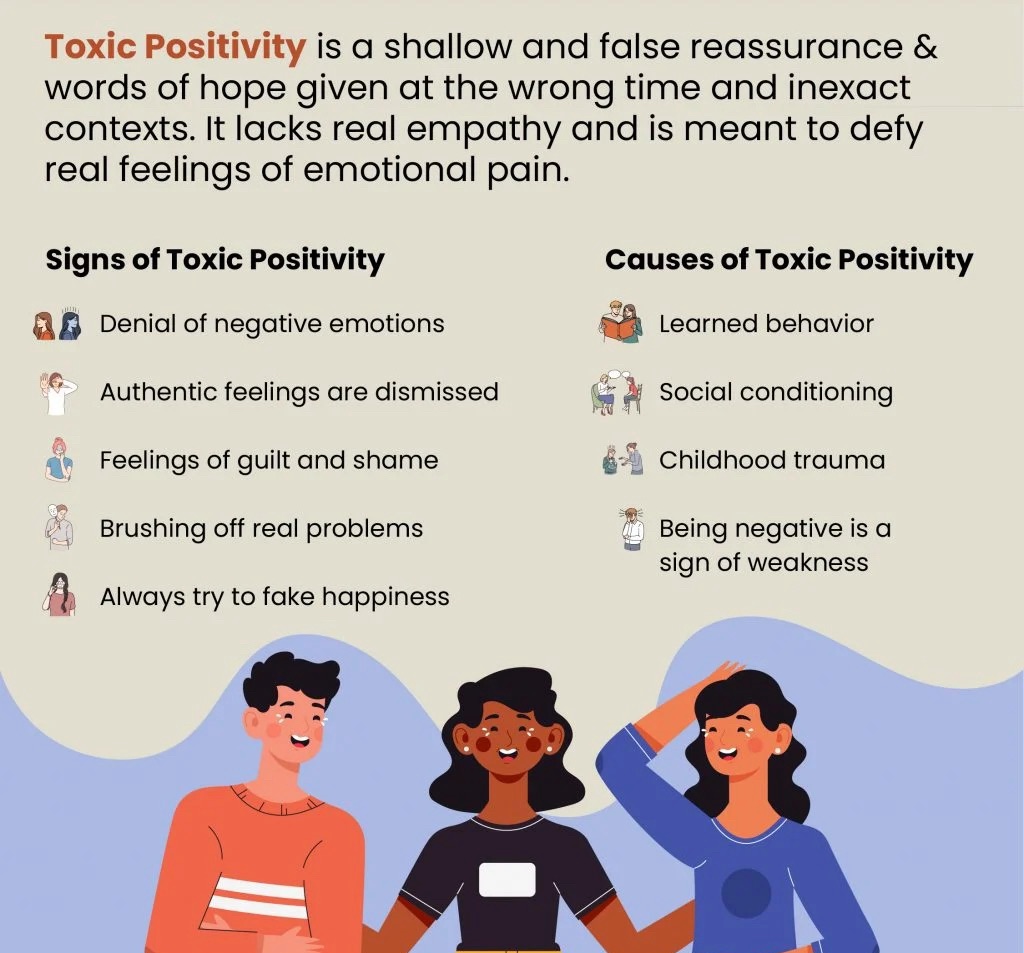
Toxic Positivity – Signs, Examples, Causes, Risks & More
- Embrace vulnerability: It’s okay to feel sad, angry, or frustrated. Acknowledging our negative emotions is the first step to healing.
- Practice self-compassion: Treat yourself with kindness and understanding, just as you would a friend.
- Build genuine connections: Focus on nurturing deep, meaningful relationships with people who support and uplift you.
- Set realistic goals: Instead of trying to manifest unrealistic expectations, set achievable goals and celebrate your progress.
- Seek professional help: If you’re struggling with negative emotions or toxic positivity, don’t hesitate to seek help from a therapist or counselor.
Affirmation culture can be a powerful tool for personal growth, but it’s important to use it wisely. By understanding the limitations of positive thinking and embracing a more balanced approach, we can cultivate true empowerment and build stronger, healthier relationships.





 Fierce Millenial
Leave a comment