

How to Check and Protect Yourself from the National Public Data Hack
In a digital age where our personal information is constantly being collected, stored, and shared, the threat of data breaches looms large. Recently, the National Public Data (NPD) hack has sent shockwaves through the internet, raising concerns about the security of our sensitive information, including our social security numbers.
What is the National Public Data Hack?
The NPD hack, which came to light in 2023, involved a breach of the company’s database containing billions of personal records. This exposed sensitive information such as names, email addresses, phone numbers, social security numbers, and mailing addresses. The hackers, believed to be affiliated with the group USDoD, have been selling this stolen data on the dark web.

How Can I Check if My Social Security Number Was Affected?
While NPD has not released an official statement confirming the number of individuals affected by the breach, there are several ways to check if your social security number has been compromised:
- Utilize Online Tools: Several online tools and services can help you determine if your information has been leaked in various data breaches. One such tool is npd.pentester.com, which allows you to enter your first name, last name, and birth year to check if your data was part of the NPD breach.
- Monitor Your Financial Accounts: Keep a close eye on your bank statements, credit card bills, and credit reports for any suspicious activity. Look for unauthorized transactions, new accounts opened in your name, or changes to your credit score.
- Place a Credit Freeze or Fraud Alert: Consider freezing your credit with all three major credit bureaus (Equifax, Experian, and TransUnion) to prevent unauthorized access to your credit report. You can also place a fraud alert on your file, which will require businesses to verify your identity before opening new accounts in your name.
- File a Police Report: If you believe you have been a victim of identity theft, it is important to file a police report. This will document the crime and can help you take further steps to protect your identity.
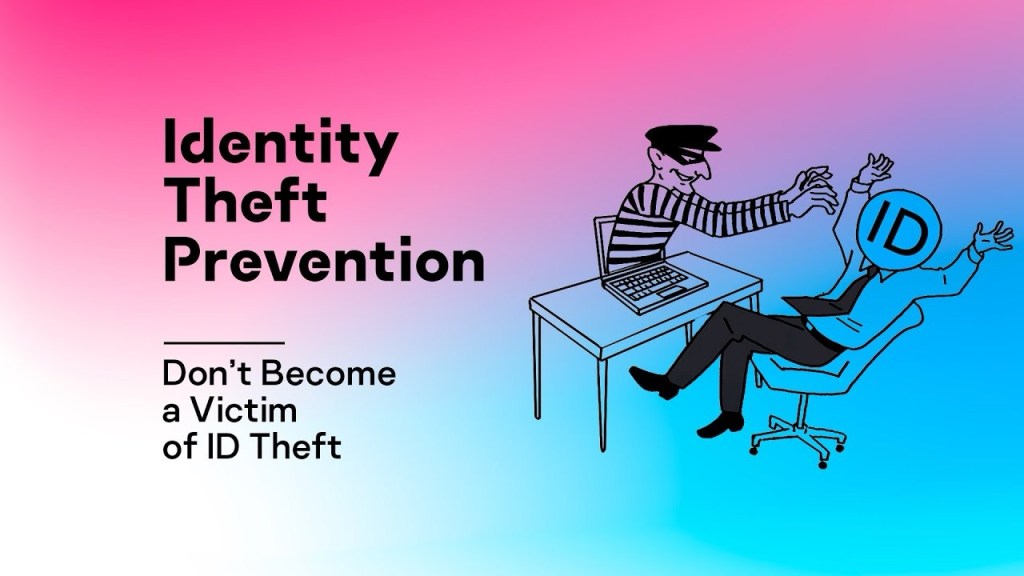
What Steps Can I Take to Protect My Information?
In addition to checking your social security number and monitoring your financial accounts, here are some proactive steps you can take to protect your information:
- Use Strong Passwords: Create unique and complex passwords for all of your online accounts, and avoid using the same password for multiple sites.
- Enable Two-Factor Authentication: Enable two-factor authentication whenever possible to add an extra layer of security to your accounts.
- Be Cautious of Phishing Attempts: Be wary of emails, phone calls, or text messages that ask for personal information. Do not click on suspicious links or provide any sensitive information unless you are absolutely certain that the sender is legitimate.
- Stay Informed about Cybersecurity Threats: Stay up-to-date on the latest cybersecurity threats and best practices by following reputable news sources and cybersecurity experts.
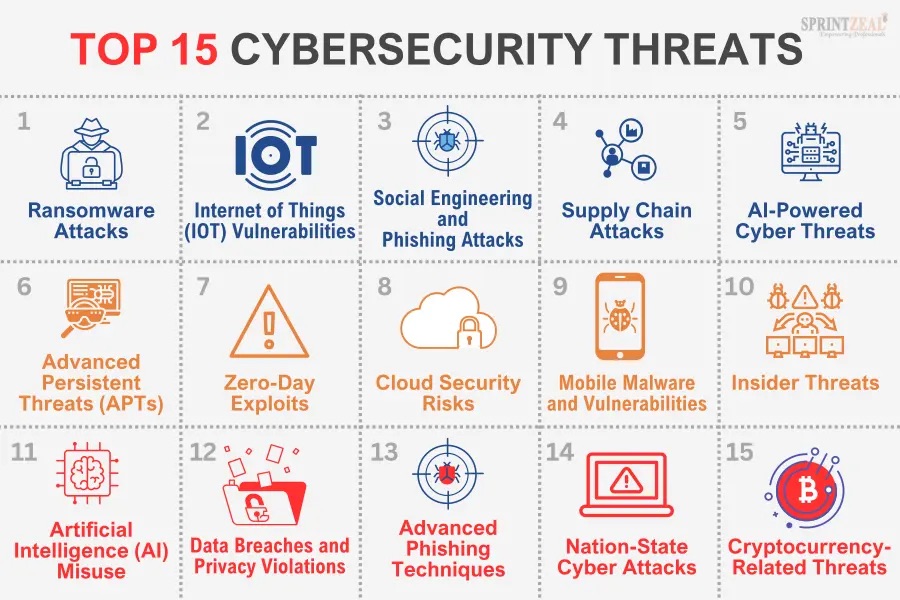
The National Public Data hack serves as a stark reminder of the importance of protecting our personal information in the digital age. By taking proactive steps to check for compromised data and strengthen our online security, we can help safeguard ourselves from the potential consequences of identity theft.
Remember, your personal information is valuable, and it’s up to you to protect it.





 Fierce Millenial
Leave a comment