
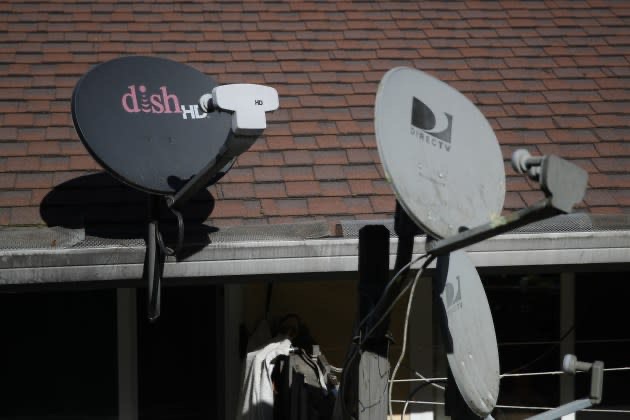
The future of television is about to get a whole lot more complicated.
Remember those days when you’d sit down on the couch, flip through the channels, and settle in for a night of TV? Good times, right? Well, get ready to say goodbye to that familiar ritual. DirecTV and Dish, two of the biggest names in satellite television, have announced plans to merge, creating the largest pay-TV provider in the United States.
So, what does this mean for you, the average TV watcher? Well, it’s a bit of a mixed bag. On the one hand, the merger could lead to lower prices and better service. On the other hand, it could also mean less competition and fewer choices.
The Rise and Fall of Cable TV
Before we dive into the details of the merger, let’s take a quick trip down memory lane. Cable TV used to be the undisputed king of television. It was the only way to get most of the popular channels, and it was a reliable way to get your entertainment fix. But then, along came streaming services like Netflix, Hulu, and Amazon Prime. These services offered a more convenient and affordable way to watch TV, and they quickly began to steal market share from cable providers.
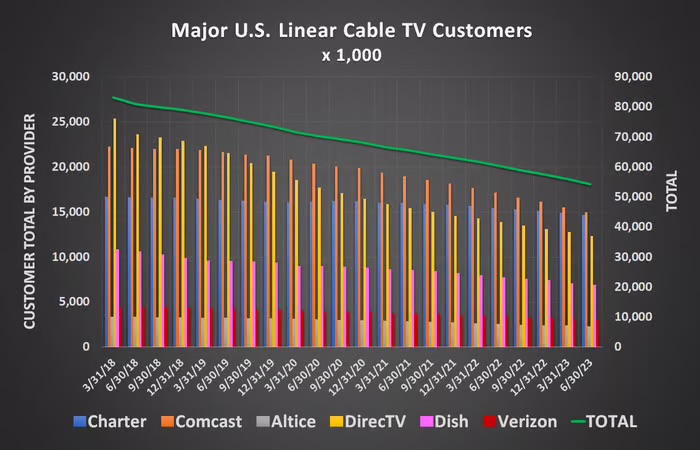
DirecTV and Dish were among the companies that felt the impact of streaming. Both companies saw their subscriber numbers decline as more and more people cut the cord. The merger is an attempt to reverse this trend and regain some of their lost market share.
The Potential Benefits of the Merger
The merger could have some benefits for consumers. For example, it could lead to lower prices. When there are fewer competitors in the market, companies often have to compete on price. So, the merger could force DirecTV and Dish to offer more competitive pricing.
The merger could also lead to better service. When two companies combine forces, they often have more resources to invest in their business. So, the merged company could be able to improve its customer service, network reliability, and other aspects of its service.
The Potential Drawbacks of the Merger
However, the merger also has the potential for drawbacks. One of the biggest concerns is that it could lead to less competition. When two companies merge, it reduces the number of players in the market. This can lead to higher prices and fewer choices for consumers.
Another concern is that the merger could stifle innovation. When there is less competition, companies may be less motivated to innovate. This could mean that we see fewer new features and services from DirecTV and Dish.
The Future of TV
So, what does the future hold for TV? It’s hard to say for sure. The merger of DirecTV and Dish is a major development, but it’s not the only thing that is shaping the TV landscape. Streaming services are continuing to grow, and new technologies like virtual reality and augmented reality are also starting to make an impact.
It’s possible that the merger will help DirecTV and Dish to stay competitive in the long run. But it’s also possible that it will simply accelerate the decline of cable TV. Only time will tell.
The merger of DirecTV and Dish is a significant event that will have a major impact on the TV industry. It’s a complex issue with both potential benefits and drawbacks. Ultimately, the success of the merger will depend on how well the two companies are able to integrate their operations and provide value to their customers.
As consumers, it’s important to be aware of the potential implications of the merger and to make informed decisions about our TV viewing habits. Whether we choose to stick with cable or switch to a streaming service, it’s clear that the future of TV is changing rapidly. And the merger of DirecTV and Dish is just one of the latest developments in this ongoing story.





 Fierce Millenial
Leave a comment