
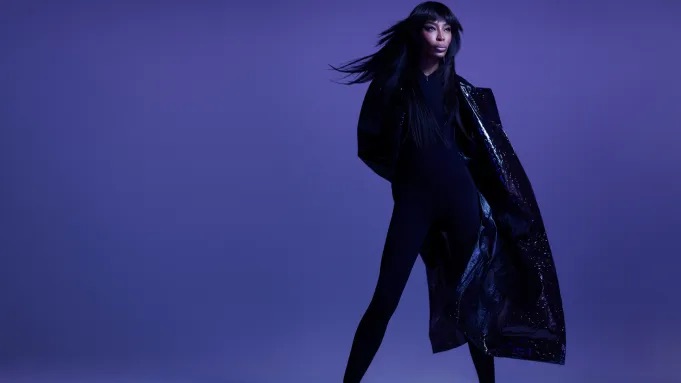
From the Streets to the Runway, Black Influence Has Redefined Style
When it comes to setting trends and changing the game in fashion, let’s be real—Black culture has been at the helm for decades. From high fashion runways to the heart of street style, the influence of Black designers, artists, and everyday innovators is undeniable. Whether it’s the striking patterns from West African textiles or the rise of streetwear as a global phenomenon, Black creativity is the secret sauce behind what’s hot and what’s next in fashion.
This article is a celebration of that cultural brilliance. We’re diving deep into how Black culture has reshaped fashion, empowered designers, and redefined beauty standards. Spoiler alert: The runway never looked this good until Black designers stepped up. Let’s talk about the legends, the movements, and the future of Black fashion that deserves to be celebrated.
The Roots: African Heritage in Fashion
It’s impossible to talk about Black fashion without starting at its roots—Africa. The continent has been the source of some of the most eye-catching fabrics and designs long before it became “inspired by” on European runways. Bold, vibrant patterns, intricate beadwork, and designs rooted in culture and storytelling have influenced everything from haute couture to everyday wear.
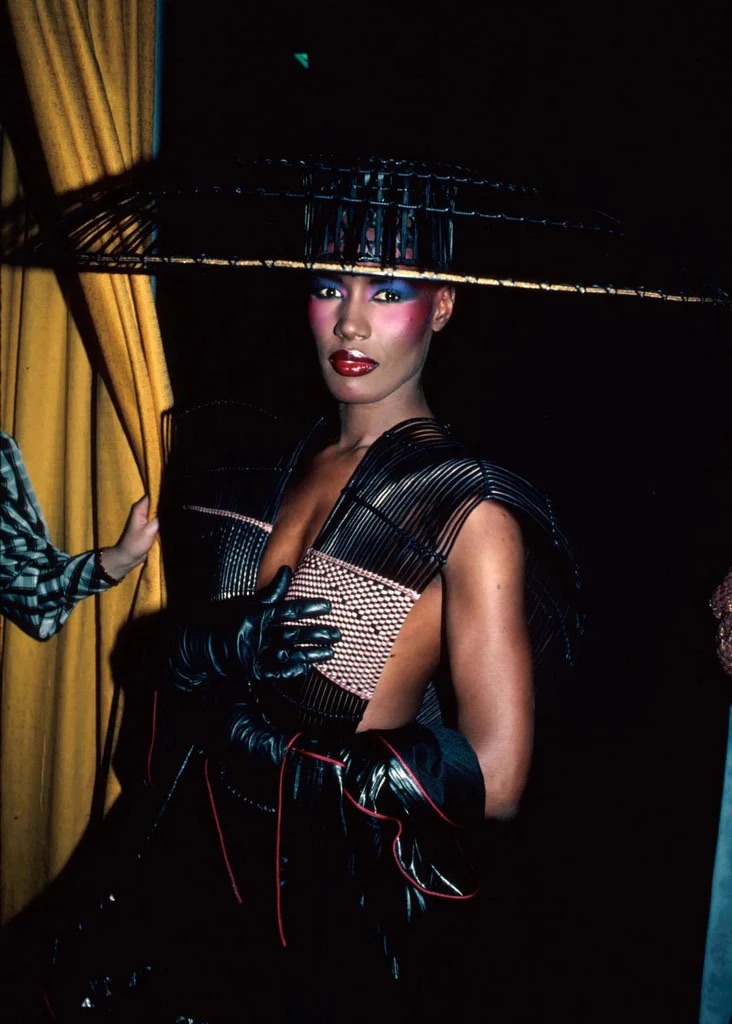
When enslaved Africans were brought to the Americas, they didn’t just bring their labor—they brought their culture, style, and traditions, too. These cultural expressions evolved through the generations, blending African styles with Western elements to create something truly unique. Think bright, ruffled collars paired with bold prints, setting the stage for a fusion of fashion unlike anything the world had seen before.
Harlem Renaissance: The Birthplace of Black Fashion Icons
Fast forward to the 1920s, and Harlem was popping. The Harlem Renaissance wasn’t just about jazz and poetry—it was about style. Black fashion during this era was full of glamour, sophistication, and a whole lot of swag. Women were rocking flapper dresses, bold makeup, and accessories that screamed independence and rebellion against the norm.
Style icons like Josephine Baker, Lena Horne, and Dorothy Dandridge didn’t just wear fashion—they owned it. Their glamorous looks weren’t just a nod to mainstream trends; they were a declaration of their identity and influence. They weren’t following fashion—they were making it.
Black Power Fashion: Fashion Meets Revolution
As the Civil Rights Movement gained momentum in the ‘50s and ‘60s, so did Black pride—and that pride was reflected in the way Black people dressed. Black Power fashion was more than just a style; it was a movement. Dashikis, afros, kente cloth, and headwraps became symbols of resistance and pride in Black heritage. It was fashion as revolution, and Black people across the country were reclaiming their culture through their clothes.
Getty | Shannon Finney

This movement challenged the Eurocentric beauty standards that had dominated the fashion world. It wasn’t about fitting in anymore—it was about standing out and being unapologetically Black.
The Hip-Hop Era: Streetwear and Black Innovation
Let’s talk about the ’80s and ’90s when hip-hop culture exploded onto the scene. The music was new, the vibe was fresh, and the fashion? Iconic. Hip-hop brought streetwear into the spotlight, and suddenly, oversized tracksuits, gold chains, and sneakers became the uniform of a generation.
Streetwear was never just about looking good—it was about making a statement. The bold, unapologetic styles became synonymous with rebellion, and the Black innovators behind these trends were rewriting the rules of fashion. Brands like Adidas, Nike, and Tommy Hilfiger jumped on the wave, but Black designers like Dapper Dan were the real masterminds, transforming luxury pieces into street-ready looks for hip-hop royalty.
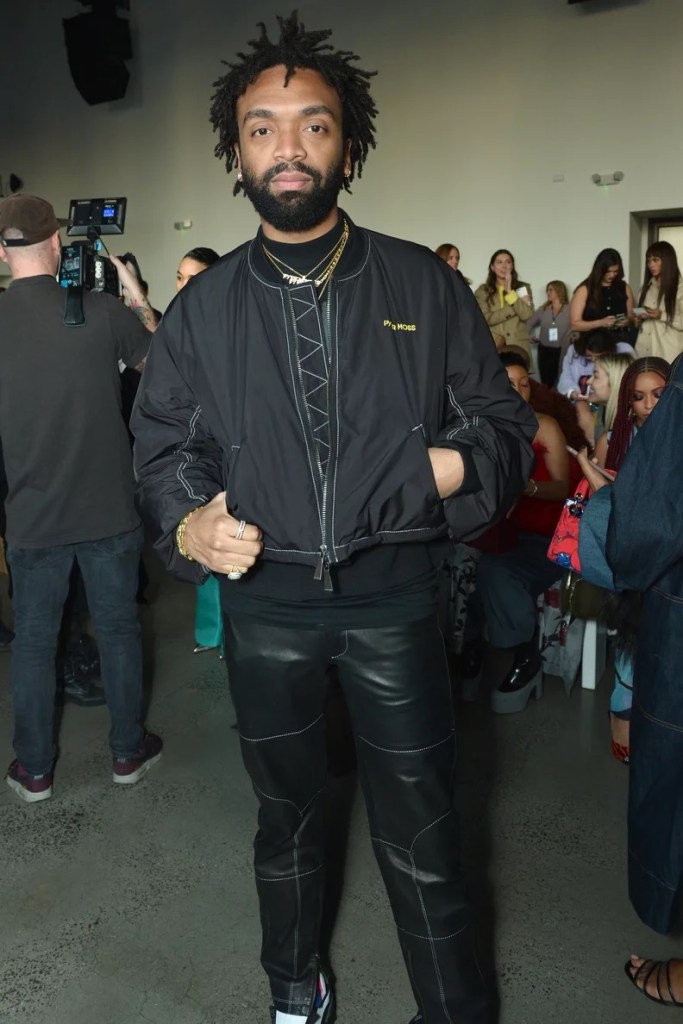
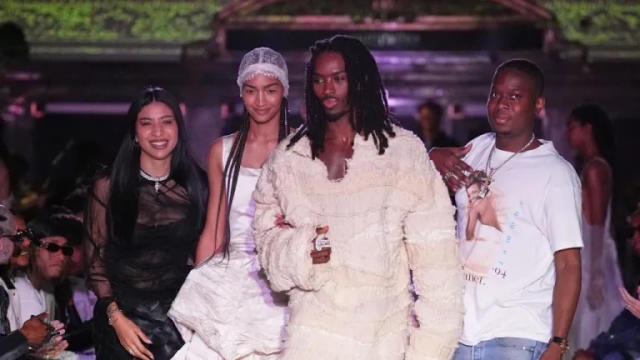
Fast forward to today, and streetwear has gone global. With designers like Virgil Abloh (RIP to a legend) and Kerby Jean-Raymond leading the charge, streetwear isn’t just mainstream—it’s high fashion. From Off-White to Pyer Moss, these brands are keeping Black culture at the forefront of what’s hot.
Black-Owned Fashion Brands: The Future of Fashion
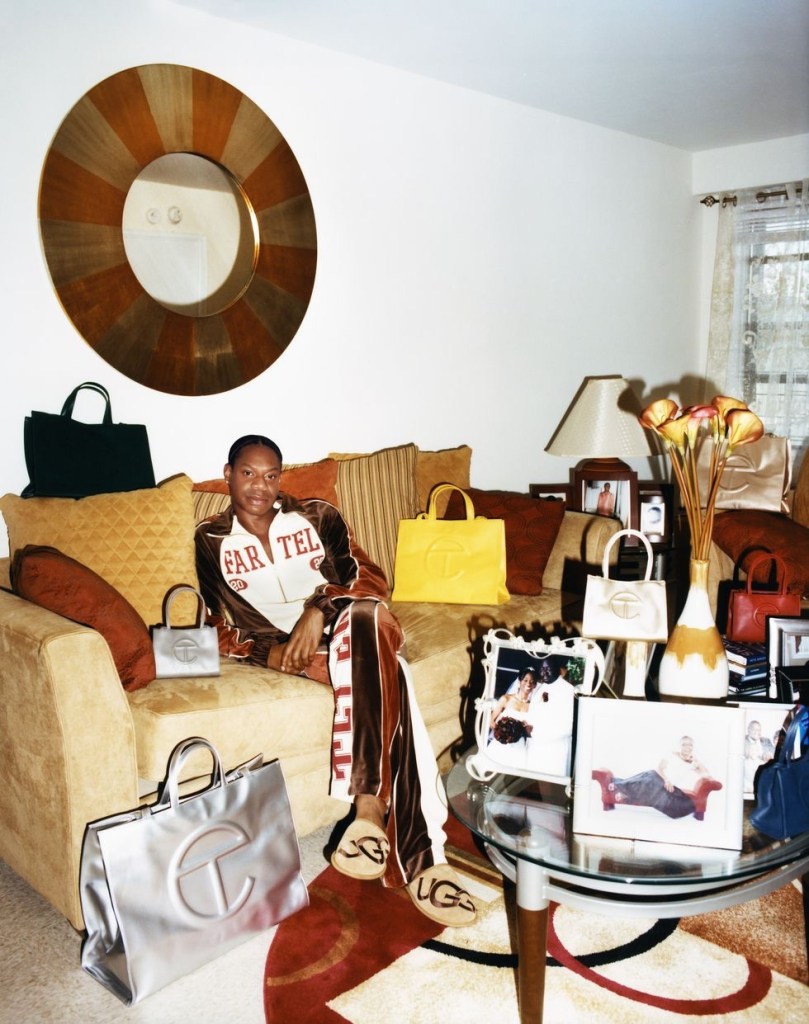
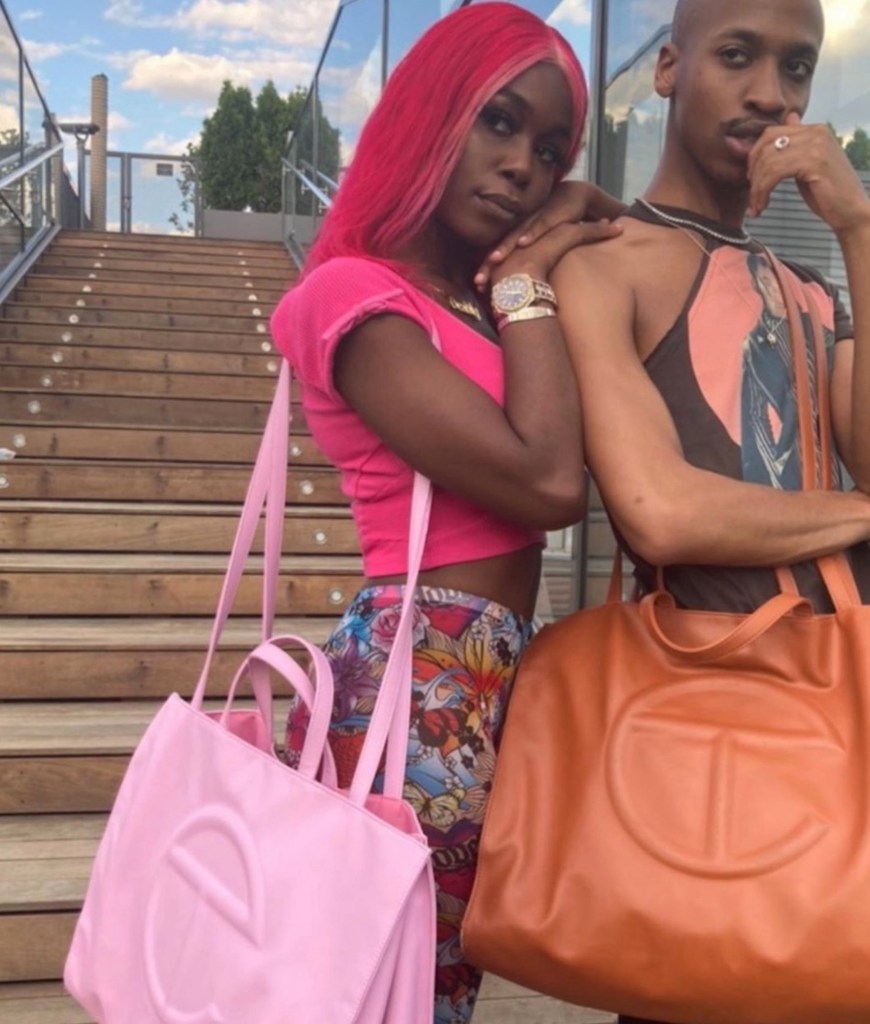
In recent years, there’s been a well-deserved spotlight on Black-owned fashion brands, and let’s just say, it’s about time. These brands aren’t just following trends—they’re creating them. From Telfar’s viral bags to LaQuan Smith’s daring designs, Black entrepreneurs are bringing fresh perspectives to the table, challenging the status quo, and setting new standards for what’s possible in fashion.
Supporting Black-owned fashion brands isn’t just a trend—it’s a movement. By buying Black, we’re pushing for a more inclusive industry that celebrates diversity and innovation. It’s more than just fashion; it’s empowerment. So, the next time you’re shopping for a statement piece, remember that buying from a Black-owned brand is more than just a purchase—it’s a celebration of culture, creativity, and change.

The Unstoppable Influence of Black Culture on Fashion
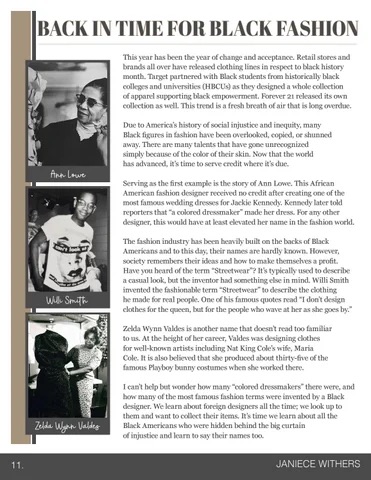
From the Harlem Renaissance to the rise of hip-hop and streetwear, Black culture has been at the heart of some of fashion’s most significant movements. We’ve seen the influence of Black designers in everything from runway couture to the clothes we wear every day. And yet, for so long, these contributions were overlooked, or worse, co-opted without credit.
But things are changing. Black designers, models, and creatives are finally getting the recognition they deserve, and the future of fashion is looking more diverse—and more exciting—than ever. So, let’s keep celebrating Black excellence in fashion, not just during Black History Month, but every single day.
Because, let’s face it—without Black culture, fashion wouldn’t be what it is today. And that’s a fact.



 Fierce Millenial
Leave a comment