
Big Promises, Big Lies: The Dark Side of the Wellness Industry
The Wellness Trap: Why the Industry’s “Quick Fixes” Are Hurting Us More Than Helping
In a world that glorifies the hustle for a “perfect” body, flawless skin, and inner zen, it’s no surprise the wellness industry is thriving. It’s that friendly neighborhood juggernaut with shelves stocked full of detox teas, keto plans, and those “magic” supplements you never heard of until yesterday. It all sounds good, right? Except here’s the rub: a lot of this “wellness” is serving up more harm than health. Yep, you read that right.
Behind the glossy ads of miracle diets and influencer-endorsed juice cleanses lies a multi-trillion-dollar industry profiting off our insecurities. From selling us dangerous shortcuts disguised as self-care to feeding off fears of not being “healthy” enough, the wellness industry has found a way to make being “healthy” feel like a full-time job. And in reality, these quick fixes often leave us worse off than where we started.
The Quick Fix Obsession: Selling False Hope
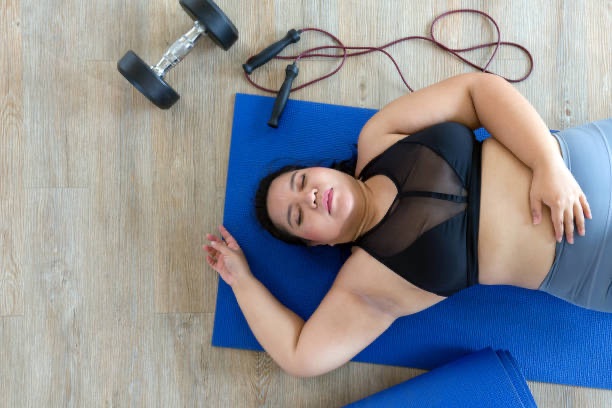
Ever been tempted by a diet plan promising you’ll shed 15 pounds in a week, or that shiny new fitness tracker claiming to get you shredded in a month? Let’s be real: it’s easy to fall for it. But crash diets and “get fit quick” schemes are setting us up for failure and long-term damage. Take crash diets, for example. Sure, the initial results might look great on Instagram, but what’s the cost? Nutrient deficiencies, hormone chaos, and—surprise!—yo-yo weight gain. These “miracle” diets are essentially a revolving door that leaves you feeling stuck, frustrated, and, honestly, a little duped.
Creator: Chadchai Krisadapong | Credit: Getty Images
And don’t even get me started on detox teas. You might see a glowing celeb with a flat stomach claiming their tea of choice did wonders. But those “detoxes” are often packed with harmful laxatives, causing dehydration and messing with your electrolyte balance. Some people even experience severe stomach pains and kidney issues. But hey, at least your bloat is gone, right?
The Problem with “Wellness” as an Aesthetic
We can’t talk about wellness without addressing the toxic body image issues it feeds. Scroll through any wellness-focused social feed, and you’re bombarded with images of impossibly thin, perfectly toned bodies—always drenched in just enough sweat to make it look sexy. These images become a silent reminder that your real body is failing to meet some mysterious standard. Cue the guilt, shame, and negative self-talk.
This culture of perfection does more than just make us insecure. It fuels eating disorders, workout addiction, and chronic dissatisfaction. The idea that you need to look a certain way to be “healthy” is just bad science and bad for our mental health. Wellness isn’t one-size-fits-all, and health doesn’t come with a specific dress size.

Misinformation on the Menu: What They’re Not Telling You
Let’s talk keto—the diet that everyone, from your neighbor to your favorite fitness guru, is raving about. It’s marketed as the cure-all for weight loss, brain fog, and even serious diseases like Alzheimer’s. Sounds good, but here’s the catch: scientific research on keto’s long-term effects is slim, and some of what we do know isn’t great. The keto diet can strain your heart and kidneys, and it’s not sustainable for many people.
This is just one example of how wellness trends push incomplete or misleading information. Whether it’s the latest supplement that “guarantees” a better mood or a workout routine promising to give you abs in 30 days, the industry is banking on the fact that we’ll believe anything if it’s marketed well enough.
So, How Do We Navigate This Mess?
The wellness industry may be an ever-present force, but you don’t have to fall for its traps. It’s time to take a step back, breathe, and focus on wellness that actually makes sense for you—not the “Instagram version” of health.

Here are some real, practical tips:
- Be Skeptical of Quick Fixes
If it sounds too good to be true, it probably is. The key to long-lasting health is consistent, small changes, not wild swings from one extreme to the next. Real progress comes from habits like eating a balanced diet, moving your body regularly, and getting enough sleep. No juice cleanse can replace that.
- Do Your Research
Just because an influencer swears by something doesn’t mean it’s gospel. Take the time to dig into actual research, look for peer-reviewed studies, and talk to healthcare professionals. Your health is worth more than a trending hashtag.
- Focus on Sustainable Changes
You don’t need to reinvent the wheel to live a healthy lifestyle. Start small—whether it’s swapping out a soda for water or taking the stairs instead of the elevator. Over time, these little tweaks add up to big results without the burnout.
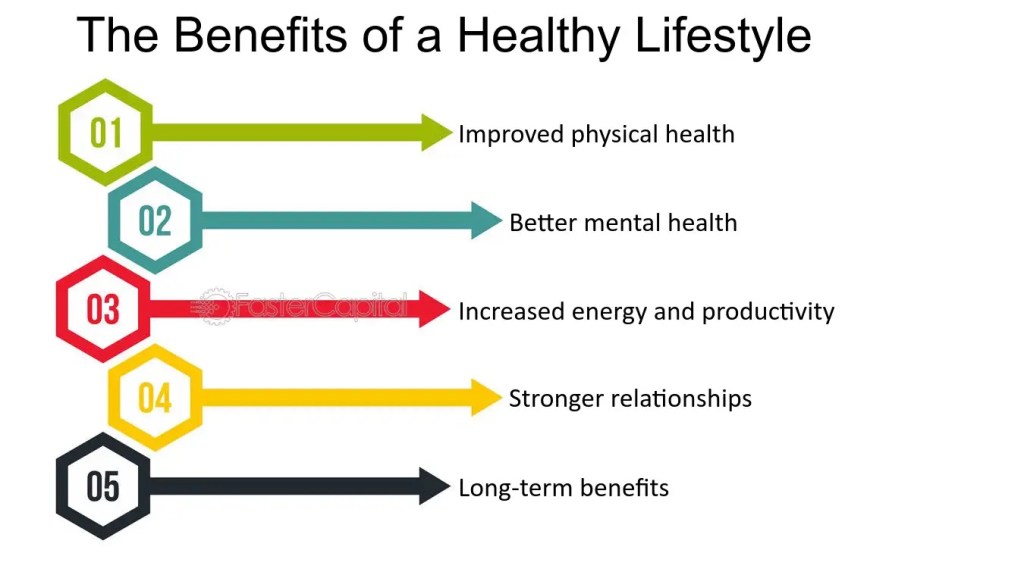
You are not a work in progress that needs fixing. Let’s start by rejecting the unrealistic standards plastered all over social media and embrace wellness as something personal and achievable. This isn’t about looking like a fitness model; it’s about feeling strong, healthy, and happy in your own skin.
The Bottom Line: Wellness Isn’t a Trend
At the end of the day, the wellness industry is just that—an industry. It profits by keeping us in a cycle of self-doubt and unnecessary spending. But true wellness? That’s something you define for yourself. It’s about balance, about living a life that feels good and serves your mental and physical well-being without breaking you down. It’s high time we redefine what health looks like—on our own terms.




 Fierce Millenial
Leave a comment