

What’s on your plate could be banned overseas—and you might not even know it.
America, land of the free, home of the brave—and apparently, the land of food additives that other countries wouldn’t touch with a 10-foot pole. Yep, while other nations are taking a stand and banning certain ingredients from their food supply, the U.S. is over here like, “Yeah, let’s sprinkle that on everything!” It’s time to get real about what’s going on in our kitchens and grocery aisles. Buckle up—this isn’t your average food safety PSA.
What’s the Deal with America’s Food System?
Let’s not sugarcoat it: America’s food system is notorious for letting things slide. While you’re busy reading labels that advertise “low-fat” or “all-natural,” there’s a good chance you’re missing the fine print that says, “Contains chemicals banned in other countries.” Cute, right?
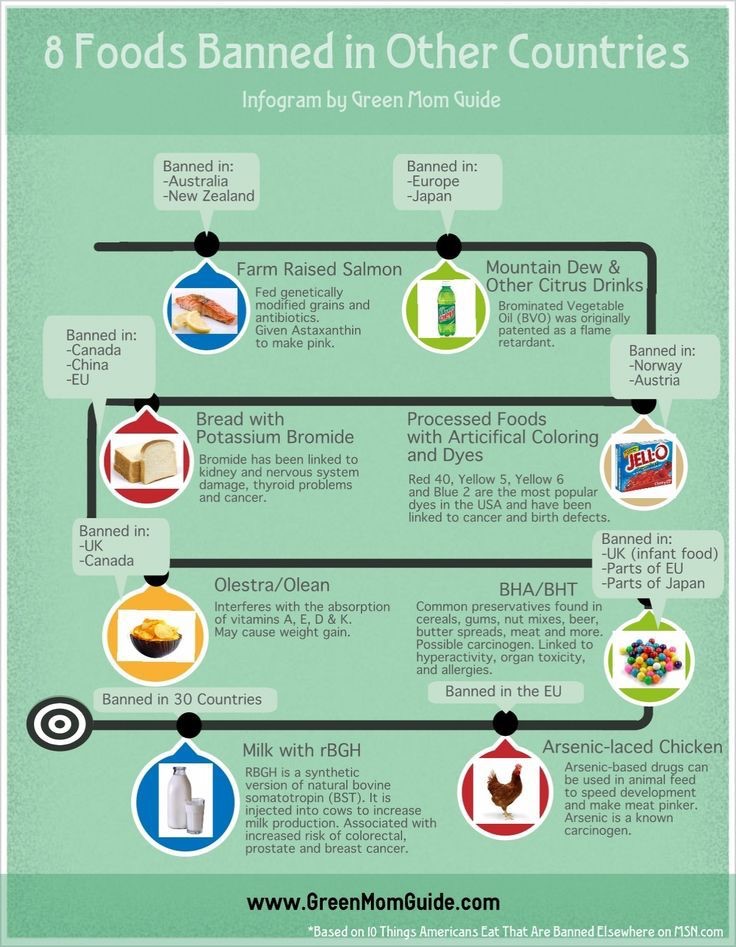
Here’s the tea: The U.S. Food and Drug Administration (FDA) is supposed to keep us safe, but compared to other countries, our food safety standards are…well, let’s just say they’re a little more relaxed. The European Union (EU), in particular, has banned or strictly regulated over 1,300 food additives, while the U.S. allows many of them to sit pretty on grocery store shelves.
Let that sink in.
The Processed Food Problem: The Forbidden Fruit We Keep Eating
We have to talk about processed foods. You know, the stuff that comes in shiny packaging and promises to be “quick and easy” but is often packed with ingredients you can’t pronounce. It’s everywhere. From the cereal aisle to the frozen food section, we’re bombarded with products that are loaded with preservatives, artificial colors, and sweeteners that some countries have outright banned.
Take Brominated Vegetable Oil (BVO), for example. It’s been linked to a slew of health issues and is banned in the EU, Japan, and India. So why is it still allowed in some American sodas? Or how about Yellow #5 and Red #40, artificial colorings that the EU requires to carry warning labels because of potential links to hyperactivity in children? Yeah, those are still dancing around in your snacks here in the U.S.!

And don’t even get me started on Potassium Bromate, a dough conditioner that’s banned in more than 60 countries but is still used in some U.S. bread products. Why? Because it makes the bread fluffier. Apparently, fluff > your health.
The Influence of Big Food: Why Are We Still Eating This Stuff?
So, why are these toxic additives still allowed in the U.S.? Two words: Big Food.
The food industry is no joke. It’s a multi-billion-dollar machine, and like any giant corporation, it has one goal: profit. These companies are experts at lobbying against stricter food regulations. They throw around their money and influence to make sure their products stay on the shelves, even when science and public health advocates are screaming, “Danger ahead!”
It’s all about that bottom line, baby. If a chemical makes food more shelf-stable or visually appealing, Big Food will fight tooth and nail to keep it in. And guess who’s caught in the middle? You, the consumer.
The Marketing Trap: How They Get You
Let’s not pretend like we’re all food scientists. When you stroll down the aisle, you’re probably picking up what looks good, what’s convenient, and what you think is healthy thanks to savvy marketing. Food companies know this. They know that slapping “natural,” “organic,” or “low-calorie” on a box will get your attention, even if the actual product is far from wholesome.
Take a closer look at those labels. Just because something says “made with real fruit” doesn’t mean it’s not also made with high-fructose corn syrup (which, by the way, is banned or restricted in several countries). And just because your favorite snack is “fat-free” doesn’t mean it’s not packed with sodium and preservatives that could be banned elsewhere.

Health Risks: What’s Really at Stake?
Okay, so what’s the worst that could happen? Unfortunately, the risks of consuming these banned-in-other-countries ingredients aren’t just theoretical—they’re very real.
- Cancer: Yes, some of these additives have been linked to cancer in animal studies. Potassium Bromate, for example, is a known carcinogen.
- Hormone Disruption: Ingredients like BHA (Butylated Hydroxyanisole) and BHT (Butylated Hydroxytoluene), commonly found in processed foods, have been linked to hormone disruption.
- Behavioral Issues: Certain artificial colorings, like Yellow #5, have been connected to hyperactivity in children.
- Obesity and Diabetes: Processed foods loaded with artificial sweeteners and trans fats (hello, partially hydrogenated oils) contribute to the obesity and diabetes epidemic that’s plaguing the U.S.
It’s not just about avoiding the occasional snack; it’s about the cumulative effect of eating these foods over time. These ingredients are lurking in many everyday items that you may not even think twice about.
What Can You Do? (Because You’re Not Helpless)
You might not be able to overhaul the entire food system overnight, but you can take steps to protect yourself and your family. Here’s how:
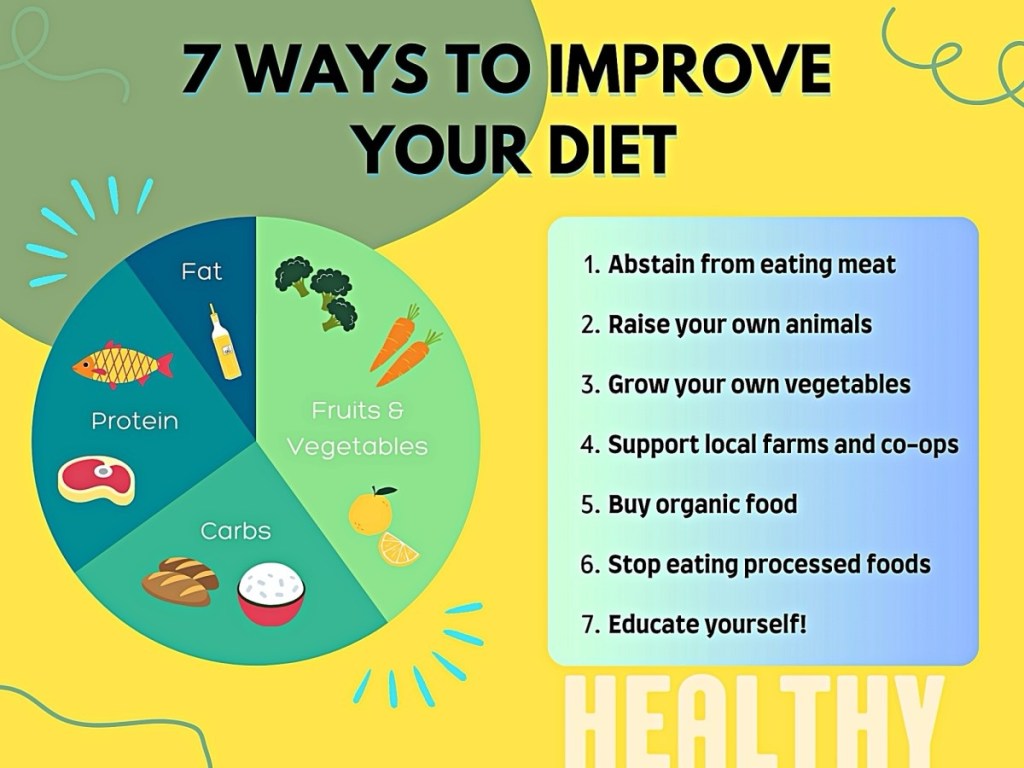
- Read Between the Labels: Don’t just fall for the marketing buzzwords. Flip that box over and look at the ingredients. If you see something that sounds like it belongs in a chemistry lab, maybe leave it on the shelf.
- Cut Back on Processed Foods: The closer a food is to its natural state, the better. Fresh fruits, vegetables, whole grains—these are your friends.
- Check Out Local Farmers’ Markets: The fewer middlemen between you and your food, the better. Plus, supporting local farmers is a win-win for you and your community.
- Advocate for Change: Yep, you can make a difference. Contact your elected officials and demand stricter regulations on food additives. Let your voice be heard.
- Educate Yourself: Knowledge is power, and the more you understand about what’s in your food, the better choices you’ll make. Check out reputable sources like The Center for Science in the Public Interest or Environmental Working Group to stay informed.
The Future of Food: Can We Change the System?
Here’s the good news: change is possible. But it’s going to take all of us—consumers, activists, and policymakers—working together to demand better. The food industry might have the dollars, but we’ve got the power of choice. Every time you opt for real food over processed junk, every time you call out a brand for using questionable ingredients, you’re sending a message.
This isn’t about perfection. It’s about progress. Little by little, we can reshape the future of food in this country. Let’s demand a food system that actually cares about our health, not just corporate profits. It’s time to stop eating the forbidden fruit and start demanding better.
Let’s make our plates as fierce as we are.




 Fierce Millenial
Leave a comment