
Navigating the Shallow Waters of a Looks-Obsessed World
The Elephant in the Room
Let’s get real for a second. We all wish the world cared more about who we are than how we look. But here’s the thing—looks do matter, whether we like it or not. And if we’re being honest, it’s not just society; sometimes, it’s us, too. We judge and get judged, and that’s the shallow water we’re all swimming in.
Whether it’s your LinkedIn profile pic, that first impression at brunch, or the way someone glances (or doesn’t glance) your way on a dating app—appearance plays a role. A huge one. And we can’t gloss over it.
The Double-Edged Sword of Beauty
“Beauty is in the eye of the beholder.” Sure, that’s cute in theory, but in practice? Society’s got a one-size-fits-all idea of what’s beautiful, and you either fit or fight it. Let’s break this down.
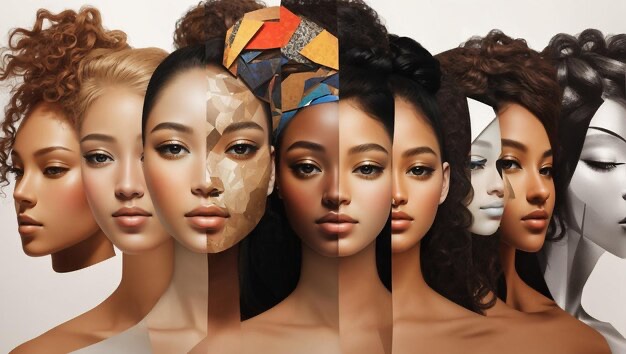
Those who align with mainstream beauty standards often enjoy perks—better job opportunities, favorable treatment, and even social advantages. But here’s the kicker: these standards are almost always Eurocentric, leaving little room for diverse beauty.
It’s exhausting. And the pressure to conform? Even worse.
Filtered Realities: The Role of Social Media
Enter Instagram, TikTok, and the wild, wild west of filters. These platforms are a double-edged sword. On one hand, they give us tools to showcase our unique beauty. On the other, they’ve created a breeding ground for unattainable standards.

Filters slim noses, smooth skin, and add lashes where none existed. Before you know it, you’re questioning if your “real” face is even good enough. And don’t get me started on comparing your unfiltered life to someone else’s highlight reel.
It’s easy to spiral into a pit of self-doubt, and studies back this up: social media is a major contributor to body dissatisfaction, especially among women.
The Black Experience: Fighting to Redefine Beauty
For Black women, the journey with beauty standards is particularly complex. For far too long, Eurocentric ideals have dominated, sidelining features like full lips, rich skin tones, and textured hair.
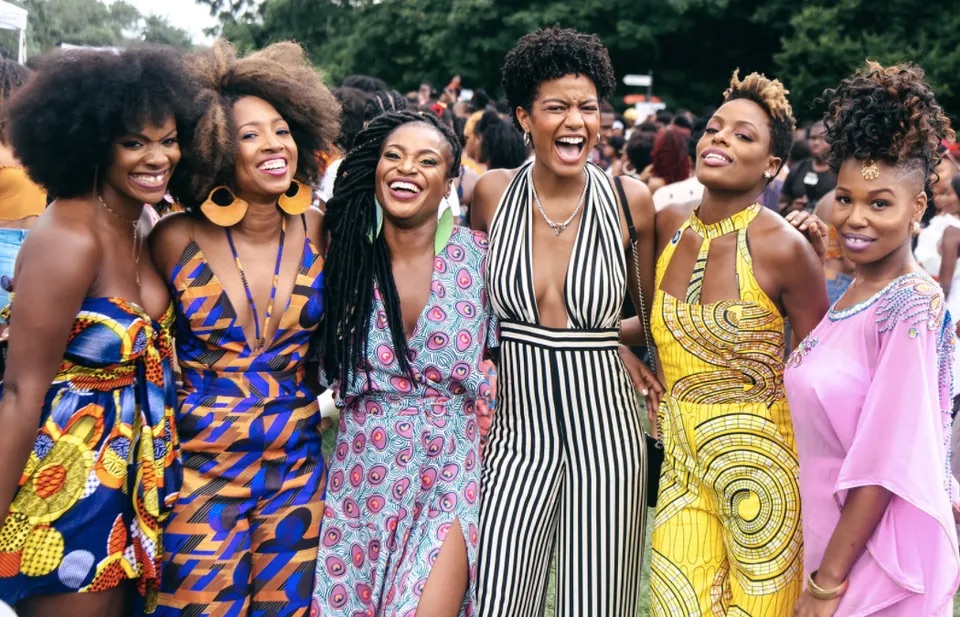
MARK CLENNON/CURLFEST
But here’s the plot twist: we’ve been flipping the script. Movements celebrating melanin, natural hair, and our unique features are gaining traction. Rihanna’s Fenty Beauty, for instance, didn’t just shake the table—it flipped it, offering shades that finally reflect the spectrum of our beauty.
Yet, progress doesn’t mean perfection. The work continues as we celebrate diverse beauty while dismantling the toxic systems that got us here in the first place.
Self-Love: Your Greatest Weapon
Here’s the truth bomb: While we can’t erase looksism overnight, we can rewrite the narrative for ourselves. It starts with self-love. And no, I don’t mean bubble baths and face masks (though, yes, those are fab).

I’m talking about radical acceptance—embracing every single thing about yourself, from your “flaws” to your fab. Because guess what? Your unique beauty is your power.
Tips for Thriving in a Looks-Obsessed World
1. Unfollow and Block Freely
If someone or something on your feed makes you feel less-than, hit that unfollow button like it owes you money. Fill your timeline with creators and influencers who celebrate authenticity.
Self-talk matters. The next time you catch yourself criticizing your appearance, ask, “Would I say this to my best friend?” If not, cut it out.

Call out beauty standards for what they are—nonsense. That includes speaking up when brands fail to represent diversity or when unrealistic filters dominate.
4. Hype Your Own Damn Self
Not to sound cliché, but hype yourself up in the mirror. That skin? Gorgeous. Those curves? Iconic. That smile? Killer.
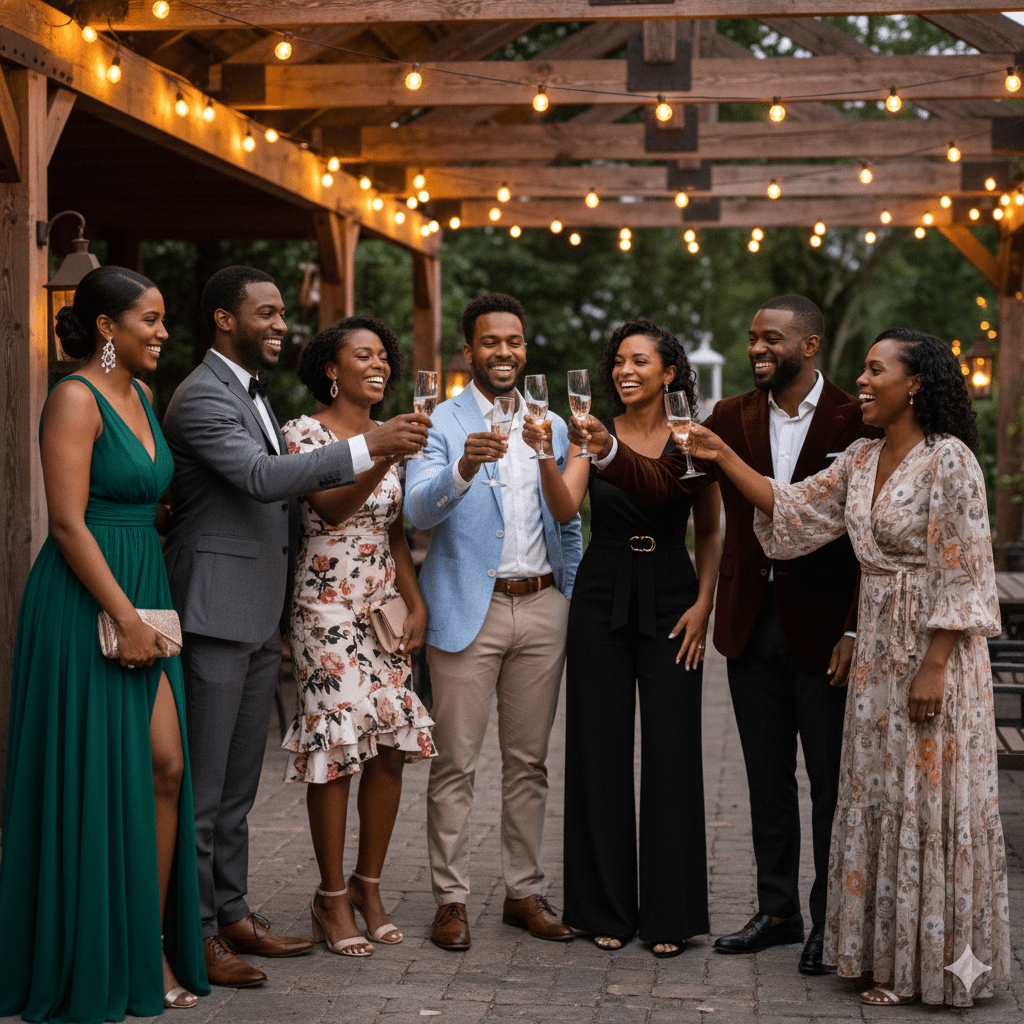
Surround yourself with people who lift you up. There’s nothing like a solid circle of friends who remind you of your worth when the world tries to forget it.

The Bigger Picture
The world’s obsession with looks isn’t going anywhere anytime soon. But the good news? You don’t have to buy into it. By owning your individuality and rejecting outdated standards, you’re not just surviving—you’re thriving.
And if society still doesn’t catch up? That’s their problem.



 Fierce Millenial
Leave a comment