
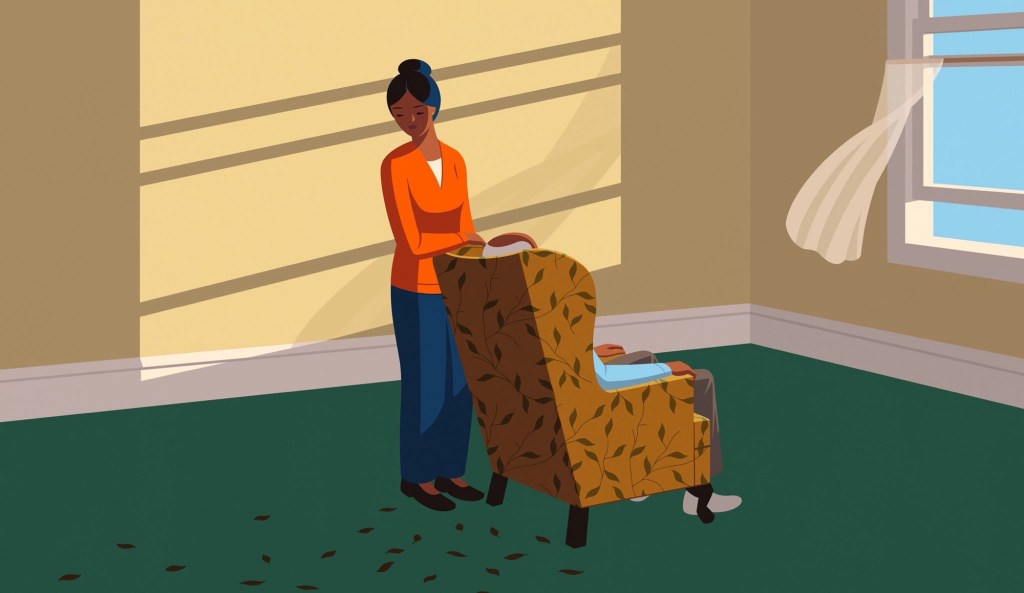
It’s not just forgetfulness – recognize the subtle clues that could make a big difference.
Dementia: More Than Just Forgetting
When you hear the word dementia, you might picture dramatic memory loss or someone struggling to recognize loved ones. But dementia doesn’t always come crashing in like a storm. Sometimes, it tiptoes in, blending in with what many dismiss as “normal aging.”
Let’s strip away the misconceptions and talk about the signs that often go unnoticed. Because early detection? It’s a game-changer.
The Subtle Signs You Can’t Ignore
1. Memory Lapses That Go Beyond “Oops” Moments
Sure, forgetting where you parked or misplacing your keys happens to everyone. But when someone starts forgetting recent conversations, repeating the same questions, or missing important dates regularly, it’s worth paying attention.

Example: Your aunt keeps forgetting about that brunch you planned – not once, but three times in a week.
2. Struggling with Tasks That Used to Be Easy
Burnt toast because you forgot the bread was in the toaster? Maybe. But if someone can’t follow a familiar recipe or balance a checkbook they’ve managed for years, it could be more than distraction.
Watch for: Trouble navigating familiar apps, paying bills late, or suddenly finding step-by-step tasks confusing.

3. Word Fumbles and Conversation Challenges
Ever had that “What’s the word I’m looking for?” moment? Multiply that tenfold. Difficulty finding words, using the wrong ones, or struggling to keep up with conversations can all signal trouble.
Clue: Someone calling a watch “that time thingy” or regularly losing track of what you just said mid-sentence.
4. Mood Swings and Personality Shifts
Dementia doesn’t just touch memory; it tugs at emotions too. Irritability, depression, or sudden anxiety can surface without clear triggers. In some cases, once-social butterflies may retreat into their cocoons.

Unusual Behaviors: A cheerful grandma suddenly suspicious of neighbors or an independent partner leaning heavily on routines they used to dismiss.
5. Problems with Visual Perception
This isn’t about needing new glasses. Dementia can make judging distances, differentiating colors, or recognizing faces a challenge. Imagine navigating stairs or parking becoming daunting.
6. Losing Track of Time and Space
Disorientation can feel like your mental GPS is broken. Forgetting where you are, mixing up days, or feeling lost in once-familiar places is another common sign.
7. Declining Judgment
We’re not talking about splurging on shoes here (we’ve all been there). Poor judgment might look like skipping hygiene routines, making impulsive financial choices, or falling for obvious scams.
Example: A friend who used to budget meticulously now spends hundreds on infomercial gadgets they never use.
When to Seek Help
If these signs are starting to sound familiar, it’s time to consult a healthcare professional. Early detection opens doors to treatments that can slow the progression, improve quality of life, and offer clarity on what’s happening.

Pro Tip: Track specific behaviors and incidents to share with a doctor – it helps paint a clearer picture.
Take Charge: Proactive Steps for Brain Health
Even if dementia isn’t on your radar, these habits are great for keeping your mind sharp:
• Stay Active: Walking, dancing, or even chair yoga can help boost brain function.
• Engage Your Mind: Crosswords, strategy games, or learning a new language – challenge your brain!
• Prioritize Sleep: Sleep isn’t just beauty rest; it’s critical for mental clarity.
• Manage Stress: Meditate, breathe, or journal – your brain thrives when you’re calm.

• Fuel Your Body: Load up on fruits, veggies, nuts, and fish. A healthy brain starts with a healthy plate.
Let’s Talk About It
Dementia awareness isn’t just about catching signs; it’s about breaking the silence. The stigma keeps too many people from seeking help early. So, let’s shift that narrative.
Start the conversation with loved ones, share this article, and prioritize brain health.
What are your thoughts? How can we make brain health a bigger part of our wellness routines?





 Fierce Millenial
Leave a comment