
Do you spend more time thinking about the future or the past? Why?
Breaking Free From the Pendulum Swing to Embrace the Here and Now
Do you catch yourself replaying past mistakes like they’re your personal highlight reel—or plotting your future with the kind of precision NASA would envy? If so, welcome to the human experience! But here’s the real question: how much time are you spending in the present?
Whether you’re nostalgic for the good ol’ days or building castles in the air for “someday,” being stuck in the past or lost in the future can quietly steal your joy. Let’s break it down: where is your mental energy going, and how is it shaping your life?
The Past: Nostalgia or Trap?
The past is a rich treasure chest of lessons and memories—but it can also feel like a cage.
The Good:
• Reflection can be a powerful tool for self-awareness. Looking back on moments of growth, joy, or even failure helps you understand patterns and triggers.
• Nostalgia can boost your mood, offering a warm reminder of everything you’ve survived and achieved.
The Not-So-Good:
• Rumination: Ever found yourself dissecting an embarrassing moment from five years ago at 2 a.m.? This habit can spike anxiety and depression.
• Regret: “What if” is a dangerous game. Focusing on what could’ve been steals energy from what could be.
• Fear Paralysis: Bad experiences can make you hesitant to try new things, leaving you stuck in your comfort zone.
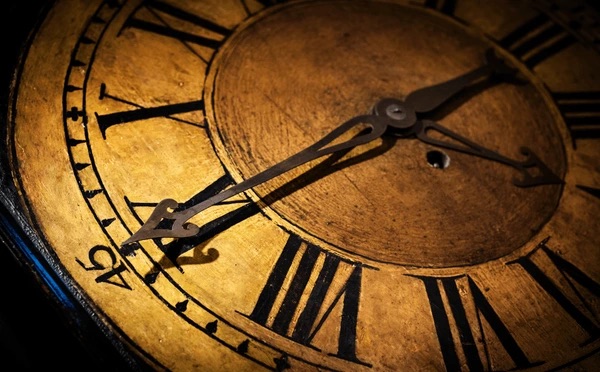
The Future: Land of Dreams (and Nightmares)
On the flip side, the future is where ambition, hope, and motivation thrive. But let’s not forget—it’s also the breeding ground for anxiety.
The Good:
• Daydreaming fuels creativity and innovation.
• Setting goals gives your life direction and purpose.
The Not-So-Good:
• Chronic Worry: If you’re always imagining worst-case scenarios, your brain never gets a break.
• Procrastination: “I’ll do it tomorrow” thinking can turn your dreams into pipe dreams.
• Reality Check: When plans don’t unfold perfectly, disappointment can hit like a freight train.

Why the Present Moment Deserves Your Attention
Here’s the tea: life is happening right now. Blink, and you’ll miss it.
The present moment might not be as shiny as your imagined future or as comforting as a fond memory, but it’s the only place where change actually happens.
Benefits of Living in the Now:
• Reduced stress and anxiety.
• Increased emotional resilience.
• Greater appreciation for life’s simple pleasures.

Copyright: Burgstedt | Dreamstime.com
How to Stay Present (Without Becoming a Zen Monk)
1. Start Small with Mindfulness
No, you don’t need to sit cross-legged on a mountain. A simple five-minute breathing exercise can work wonders. Focus on your inhale and exhale—nothing else.
Next time you’re eating, don’t scroll your phone. Instead, savor the flavors, textures, and smells of your meal. Same goes for a walk—feel the breeze, notice the colors around you.
Every day, write down three things you’re grateful for. This shifts your focus to what’s working in your life right now.
Instead of obsessing over a five-year plan, break it down into smaller, actionable steps. Focus on what you can accomplish this week.
The next time you catch yourself spiraling about the past or future, pause. Ask yourself: “What can I do in this moment to move forward?”
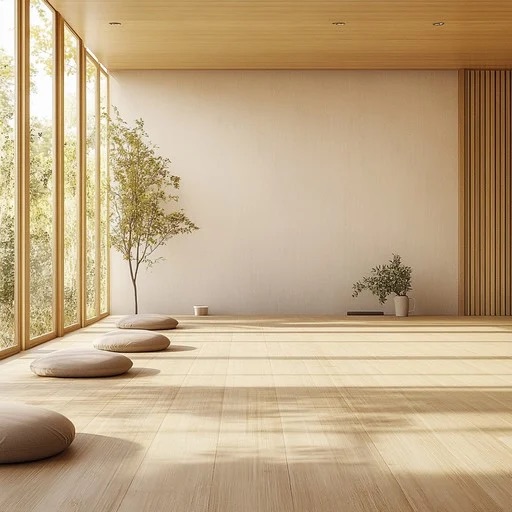
The Balancing Act: Past, Present, and Future
Here’s the truth: you can’t ignore the past or stop dreaming about the future. And you shouldn’t! The key is balance.
• Use the past as a reference book, not a screenplay you’re stuck repeating.
• Let the future inspire you, not terrify you.
• Most importantly, treat the present like the gift it is (yes, the pun was necessary).
Resources for Further Growth:
• Books: The Power of Now by Eckhart Tolle, Radical Acceptance by Tara Brach.
• Apps: Headspace, Calm, Insight Timer.
• Workshops: Mindfulness-Based Stress Reduction (MBSR) programs.
Your mind is a time traveler. It loves revisiting old stomping grounds and exploring uncharted possibilities. But here’s the thing: it’s your job to call it home when it gets too carried away.
By learning to live more intentionally in the present, you can unlock peace, clarity, and the energy to create a life that feels fulfilling—not just in hindsight or in theory, but right now.

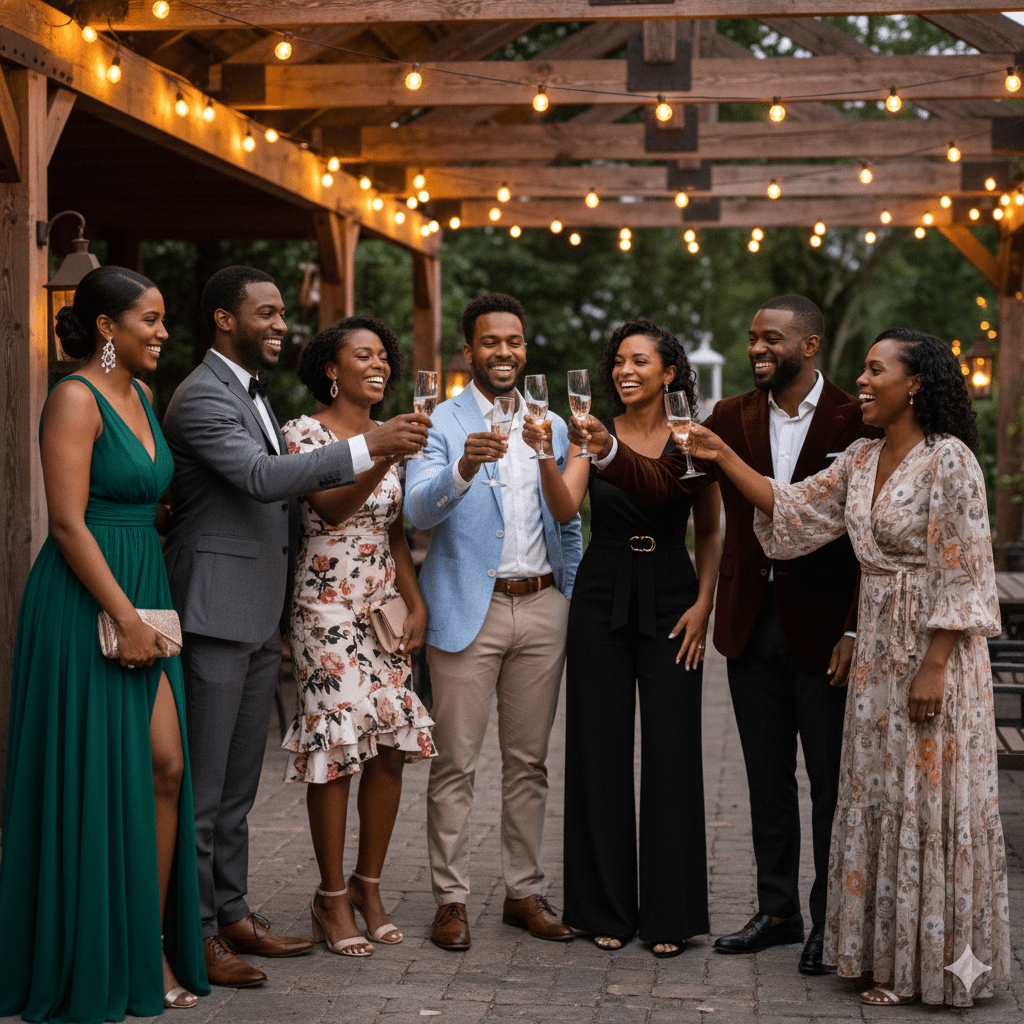


 Fierce Millenial
Leave a comment