Why Small Spaces Are Changing Lives After Devastation
When Disaster Hits, Where Do You Go?
Disasters don’t send out a save-the-date. One minute, life is normal; the next, you’re scrambling for shelter, your entire world turned upside down. From hurricanes that wipe out entire towns to wildfires leaving nothing but ashes, too many people are left with nowhere to go and no clear path forward. Traditional disaster relief efforts? A mix of slow-moving bureaucracy and makeshift shelters that feel more like survival mode than recovery.
Enter tiny homes—the small but mighty game changers stepping up to help people rebuild their lives. These aren’t just for hipster minimalists who swear they only need 300 square feet. In the aftermath of disaster, tiny homes are proving to be affordable, fast to deploy, and a sustainable solution for communities trying to put the pieces back together.
Why Tiny Homes Work for Disaster Recovery
Let’s be real—when disaster strikes, traditional rebuilding efforts can take years. Between insurance nightmares, red tape, and supply chain delays, many people are stuck in limbo, couch-surfing, or crammed into shelters with zero privacy. Tiny homes offer something different:
✅ Speed – Prefabricated tiny homes can be built and set up in weeks, getting people into safe, stable housing ASAP.
✅ Affordability – Compared to the cost of rebuilding full-sized homes, tiny homes are a budget-friendly alternative, helping relief funds stretch further.
✅ Flexibility – Need to move? No problem. Many tiny homes are built on wheels, making relocation simple if areas remain unlivable.
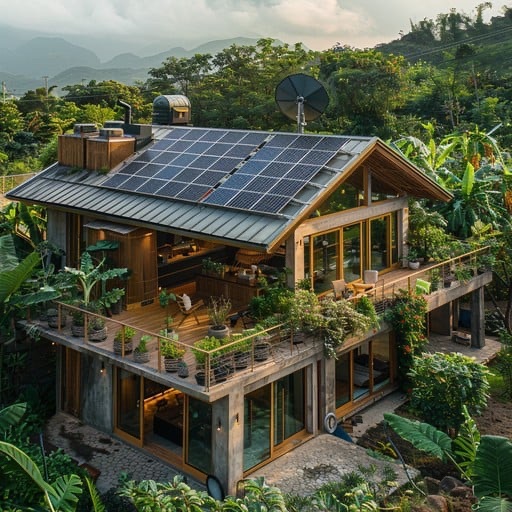
✅ Sustainability – Built with eco-friendly materials, some even run on solar power, reducing dependence on limited resources after disasters.

More Than Just a Roof—They Rebuild Communities
A house is more than just four walls; it’s a place where people heal, regroup, and restart. Tiny homes provide displaced individuals and families with a real sense of home, not just a cot in a crowded shelter.
And here’s the kicker—these small houses foster community rebuilding, which is just as important as physical recovery. Many tiny home villages are designed with shared gardens, playgrounds, and communal spaces, creating support networks where people can lean on each other.

Example in Action:
After the California wildfires, a nonprofit set up a tiny home village for families who lost everything. Not only did it provide immediate relief, but it also became a long-term housing solution, allowing residents to rebuild their lives with dignity and stability.
(Link to a nonprofit building tiny homes for disaster relief.)
The Challenges—Because Nothing Worth Doing Comes Easy
Of course, tiny homes aren’t a magic wand. There are roadblocks:
🚧 Zoning Laws: Many cities still have outdated housing regulations that limit where and how tiny homes can be built.
🚧 Space Limitations: Tiny living isn’t for everyone, especially big families who need more room.
🚧 Initial Costs: While cheaper than traditional homes, large-scale tiny home communities still require upfront funding.
But progress is happening—some cities are revising zoning laws to make way for tiny homes as part of disaster recovery efforts. The movement is growing, and the more people advocate for them, the more viable they become.
(Article discussing zoning regulations and tiny home policies.)
How You Can Get Involved
Feeling inspired? Whether you’re into architecture, sustainability, or just want to help people rebuild, you can be part of the tiny home revolution:
🔹 Volunteer – Many organizations need hands-on help building tiny homes. No experience? No problem.
🔹 Advocate – Push for better zoning laws in your area to make tiny homes a real option for disaster relief.
🔹 Donate – Even small contributions to organizations funding tiny home projects can make a difference.
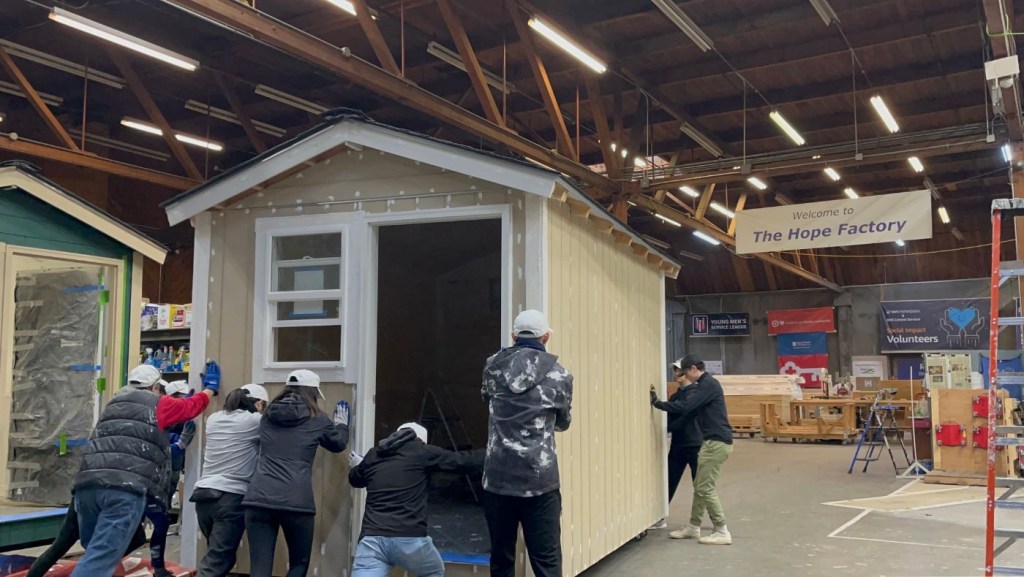
Volunteers assemble a home’s fourth wall, being careful not to pinch fingers. Photo/Xinqian Zheng
(Resource for getting involved with tiny home building projects.)
Tiny Homes, Massive Impact
At the end of the day, tiny homes are changing the game for disaster recovery. They’re not just about saving space; they’re about saving lives and giving people a real shot at rebuilding.
They challenge outdated relief models, empower communities, and prove that big solutions can come in small packages. And in a world where disasters are becoming more frequent, it’s about time we start thinking small—so people can start living big again.



 Fierce Millenial
Leave a comment