

Unraveling the Invisible Threat Hiding in Your Meals
The Hidden Enemy in Your Plate
You’re out here doing your best—buying organic, drinking from a reusable water bottle, even swapping out plastic straws like a sustainability pro. But guess what? There’s a good chance you’re still eating plastic. No, not chewing on a rogue food wrapper (hopefully), but tiny, invisible pieces of plastic that have infiltrated our entire food system.
Yep, microplastics—those minuscule plastic particles smaller than 5mm—are making their way into your meals, your drinks, and even your favorite seafood dish. And before you shrug this off as just another eco-crisis, let’s talk about what this means for your body.
Brace yourself—it’s worse than you think.
How the Heck Is Plastic Ending Up in My Food?!
Microplastics don’t just materialize out of nowhere; they take the scenic route through our environment before landing on your plate. Let’s break it down.
1. Farm to Fork Contamination
• Plastic in Agriculture – Think plastic-coated fertilizers, irrigation systems, and even microplastics used to retain moisture in soil. Over time, these break down into the crops we eat.
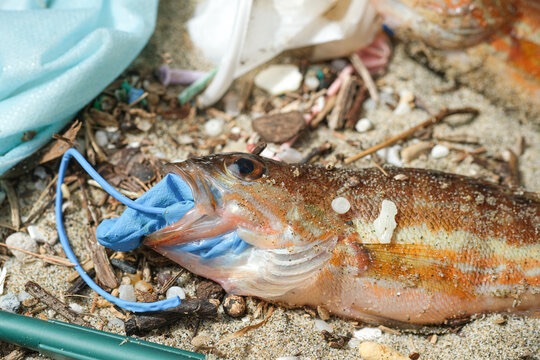
• Seafood Invasion – Our oceans are basically plastic soup. Fish and shellfish ingest microplastics, which means when you eat seafood, you might be getting a side of plastic, no extra charge.
2. Plastic Packaging & Processing
• Leaching from Packaging – Your favorite grab-and-go meal in plastic packaging? It’s likely shedding microplastics into your food.
• Food Processing Equipment – Even during production, plastic particles from conveyor belts, grinders, and storage containers can end up in your food.
3. Even Water Isn’t Safe
• Microplastics in Tap & Bottled Water – Studies have found microplastics in both tap water and bottled water. Ironically, bottled water contains even more microplastics than tap. That fancy artesian water in plastic? Not as pure as you think.

Is Eating Microplastics Bad for You? (Spoiler Alert: YES.)
Scientists are still studying the long-term effects, but the early research is straight-up disturbing:
• Inflammation & Cellular Damage – When microplastics enter the body, they can cause inflammation, which is linked to everything from digestive issues to chronic diseases.
• Endocrine Disruption – Some plastics contain chemicals like BPA and phthalates, which can mess with your hormones.
• Immune System Impact – Studies suggest that microplastics might weaken immune response, making you more vulnerable to illness.
And let’s be real—our bodies weren’t designed to digest plastic.
So, What Can You Do?
Don’t panic. You can’t completely escape microplastics (unless you move to a plastic-free utopia… which doesn’t exist), but you can limit your exposure.
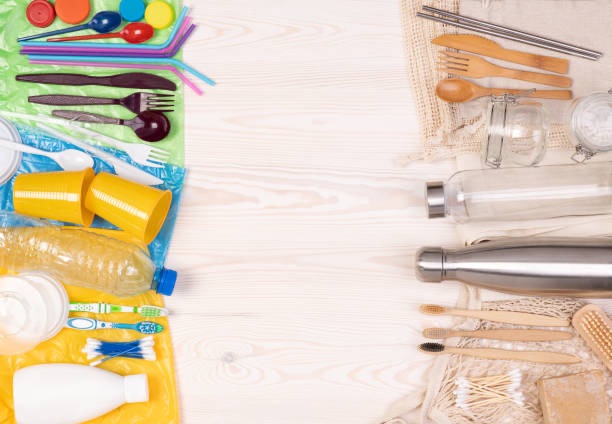
• Use a high-quality water filter that removes microplastics.
• Ditch bottled water—go for glass or stainless steel containers.
• Choose fresh, unprocessed foods over packaged ones.
• When possible, support local farmers who use sustainable practices.
• Bring your own reusable bags, containers, and cups.
• Store food in glass, silicone, or stainless steel instead of plastic.
• Support policies to regulate plastic pollution.
• Push brands to adopt sustainable packaging (because your groceries shouldn’t come wrapped like a gift from Big Plastic).
Creator: photka | Credit: Getty Images/iStockphoto
The Bigger Picture: Plastic Ain’t Just Your Problem
The real issue? The world produces millions of tons of plastic every year, and most of it never fully decomposes. It just keeps breaking down into smaller and smaller pieces—until it ends up in our food, air, and water.
So while you can take personal steps to reduce your exposure, we need big changes—from corporations, governments, and industries—to cut down plastic production at the source.
Because at the end of the day, your sushi roll shouldn’t come with a side of plastic.
Resources & Further Reading
• Scientific study on microplastics in food
• Report on plastic pollution & health effects
• Practical tips for reducing plastic in daily life
Microplastics aren’t going anywhere (literally, they don’t decompose). But awareness is power. The more we know, the more we can demand better choices—from brands, governments, and ourselves.
And while we might not be able to avoid every plastic particle, we sure as hell don’t have to sit back and accept a diet sprinkled with synthetic trash.
Now over to you: Are you making changes to reduce your plastic exposure? Have you noticed how much plastic is in your everyday life? Drop a comment below!




 Fierce Millenial
Leave a comment