
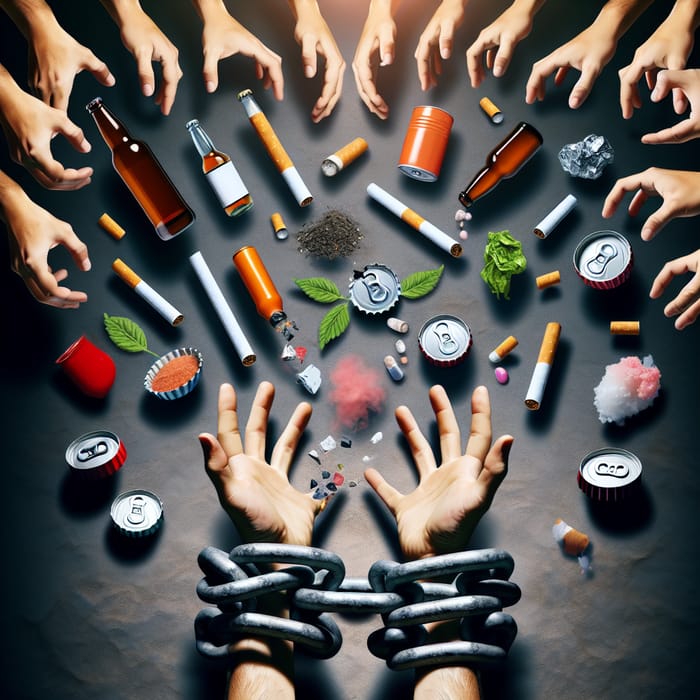
A forgotten lab experiment. A surprising result. And a question that could shake the entire addiction treatment industry: What if the next big thing in recovery was never meant to be?
Let’s get something straight: addiction doesn’t knock politely and wait to be invited in. It kicks down the damn door and moves in like a squatters’ rights champ. Whether it’s pills, powder, porn, painkillers, or the hypnotic doomscrolling that’s wrecking your sleep schedule—it hits hard and leaves chaos in its wake.
Now, we’ve all been sold the same redemption narrative: “Hit rock bottom. Find your inner strength. Just say no.” Sound familiar? It’s cute in theory. In practice? Not so much. If addiction were simply a matter of willpower, millions wouldn’t be stuck in endless loops of relapse and rehab.
But what if there’s another way out?
What if—just maybe—science accidentally tripped over the very thing we’ve all been chasing: a tool that could actually disrupt the cycle of addiction? Not a miracle cure. Not a magic pill. But something real, unexpected, and wildly promising.
The Accidental Eureka
History has receipts when it comes to breakthroughs no one saw coming. Penicillin? Mold in a petri dish. Microwave ovens? Radar waves messing with a chocolate bar. Viagra? Originally tested for chest pain. (Surprise, y’all!)
Now, the addiction space might have its own serendipitous superstar.
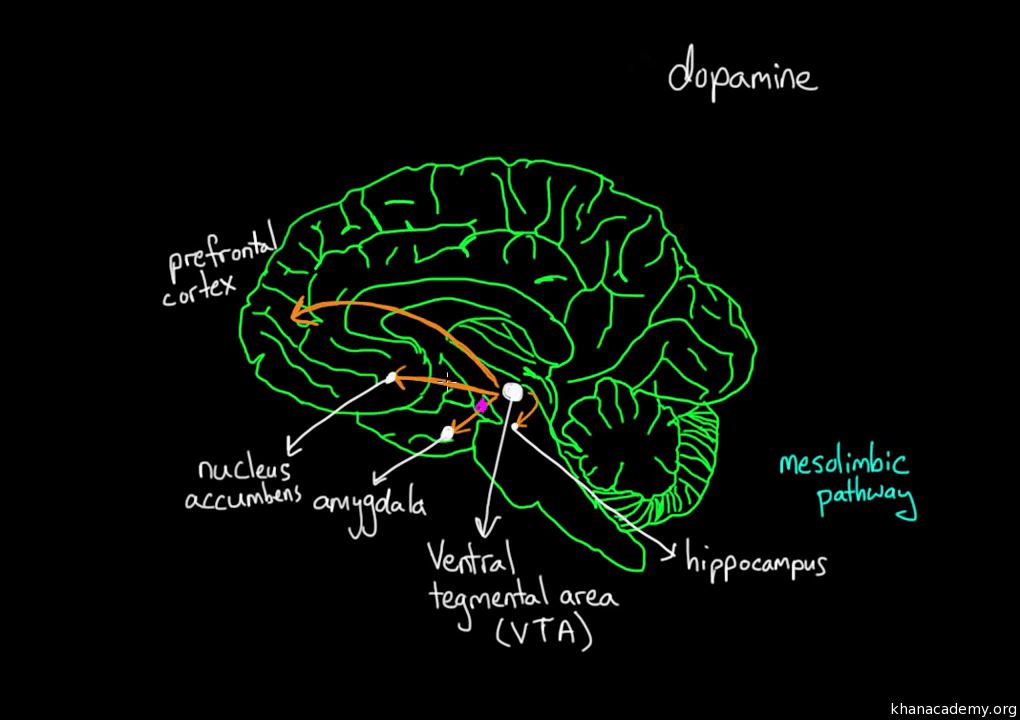
Picture this: Scientists, nose-deep in brain research, are studying mood disorders or maybe Parkinson’s disease. They’re testing a compound to stabilize dopamine—because when dopamine goes rogue, it’s not just depression on the line, but a whole mess of impulsive behaviors.
And then, unexpectedly… boom.
The test subjects (or patients) aren’t just feeling less anxious—they’re also reporting a drop in cravings. A disinterest in previously obsessive habits. The usual rush? Now muted.
Could This Be the Real Deal?
Let’s be real: addiction isn’t a one-size-fits-all villain. It’s a tangled mix of trauma, biology, chemistry, and access (or lack thereof) to real support. So no, we’re not out here hyping up a miracle capsule that’ll erase cravings like a cosmic delete button.
But… we are talking about the possibility of a drug that could:
- Dull the pleasure response from addictive substances
- Reduce withdrawal symptoms that keep folks stuck
- Rewire how the brain processes reward altogether
That’s major. And it’s not some fantasy cooked up in a lab-funded PR campaign. It’s already happening quietly in research labs and peer-reviewed journals.
[Exploring Alternative Therapies in Addiction Treatment: Pros and Cons]
Let’s talk naltrexone for a minute. This FDA-approved drug is already used to block the high of opioids and alcohol. But guess what? Some studies suggest it also works on compulsive behaviors like gambling and binge eating. Accidental overlap? Maybe. Or maybe it’s the tip of something way bigger.
From Petri Dish to Prescription Pad
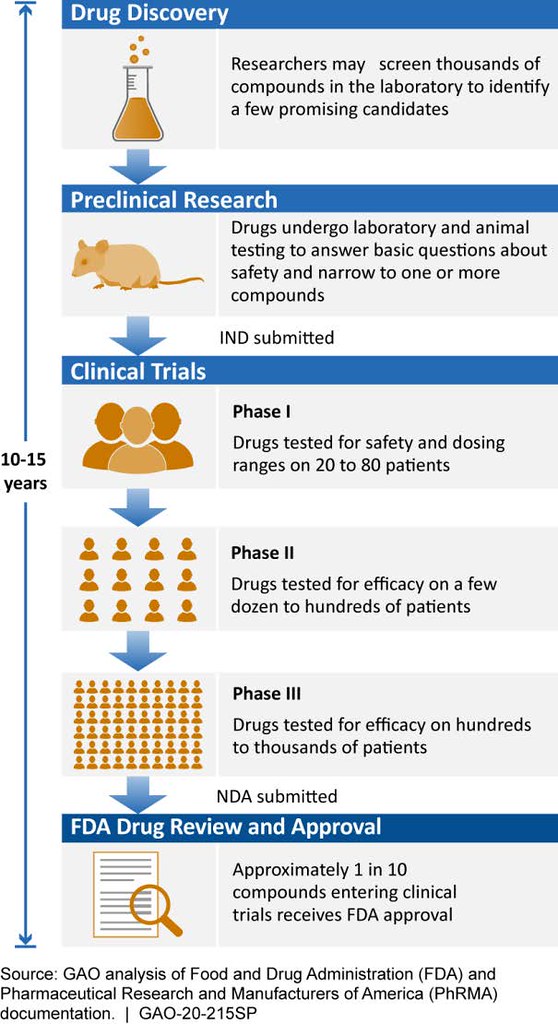
Before you start plotting a wellness retreat with your future anti-addiction prescription in hand, know this: the road from “Wow, this might work” to “FDA-approved and covered by insurance” is long, expensive, and full of red tape.
We’re talking:
- Years of testing
- Hundreds of clinical trials
- Regulatory hurdles taller than Beyoncé’s stilettos
And then there’s the ethics. Would this drug be voluntary? Could it be forced on people in rehab or prison systems? Who controls access? Who profits?
This isn’t just a science issue—it’s a societal one.
The Social Shift We Really Need
Even if this mythical drug hits the market tomorrow, it won’t erase the stigma. Because let’s be honest: people still see addiction as a moral failing, not a neurological one. That shame? It kills.
So, let’s not pretend that medication alone is going to fix it all. The culture has to shift, too. We need:
- Conversations that center compassion, not judgment
- Access to affordable mental health care (and no, not just an EAP pamphlet)
- Support for communities disproportionately impacted by addiction and incarceration
[What Does an Employee Assistance Program Do and Why Is It Important?]
So… Did Scientists Accidentally Invent the Cure?
The spicy answer: maybe.
The smart answer: Not yet.
But here’s what’s undeniable: something’s bubbling beneath the surface. And it could completely flip the script on how we understand, treat, and recover from addiction. Not because someone set out to do it—but because science, as always, loves a plot twist.
And you know what? That’s the kind of disruption we need. Not another PSA. Not another guilt-trip rehab brochure. But a breakthrough—unexpected, unpolished, and totally necessary.





 Fierce Millenial
Leave a comment