
Forget “no pain, no gain.” We’re Xennials – we work smarter, not just harder. It’s time to embrace a running style that builds you up, doesn’t break you down, and actually feels good. Yes, really.
Alright, let’s talk. We, the Xennial generation – that glorious micro-generation nestled between Gen X cynicism and Millennial optimism – we’ve seen a lot. We’ve straddled the analog and digital worlds, rocked a side ponytail with a scrunchie, and navigated the rise of “hustle culture.” We’re also at a point where we’re not just chasing trends; we’re chasing sustainability, in our careers, our finances, our relationships, and yes, even our fitness.
So, when I say “slow running,” I know what some of you might be thinking. “Slow? But I’m trying to be fierce, to conquer, to achieve!” And I get it. We’ve been conditioned to believe that if you’re not gasping for air and feeling like your lungs are about to secede from the union, you’re not doing it right.
But what if I told you that slowing down your run could actually make you a stronger, more resilient, and even faster runner in the long haul? What if I said it’s a secret weapon for mental clarity, injury prevention, and tapping into a kind of joyful movement you might have thought was reserved for those annoyingly chipper people in exercise commercials?
It’s time to unpack why embracing the chill in your run is a power move, especially for us accomplished, dynamic women who are juggling all the things.
The Lowdown: What Exactly IS Slow Running?
Slow running, often called Zone 2 training or MAF (Maximum Aerobic Function) training, isn’t about shuffling your feet at a snail’s pace with no purpose. It’s a deliberate, strategic approach to running where you keep your heart rate in a lower, more comfortable zone – typically around 60-70% of your maximum heart rate.
Think of it as “conversational pace.” If you can hold a conversation, sing along (badly or beautifully, no judgment) to your playlist, or even just breathe comfortably through your nose for much of the run, you’re probably in the right zone. The classic (though very general) Maffetone formula to estimate your max aerobic heart rate is 180 minus your age. So, if you’re 40, your target might be around 140 beats per minute.
[Zone 2 Training For Beginners & Advanced Athletes]
This isn’t about ego; it’s about physiology.Why Your Inner Xennial Badass Needs to Slow Her Roll (Literally)
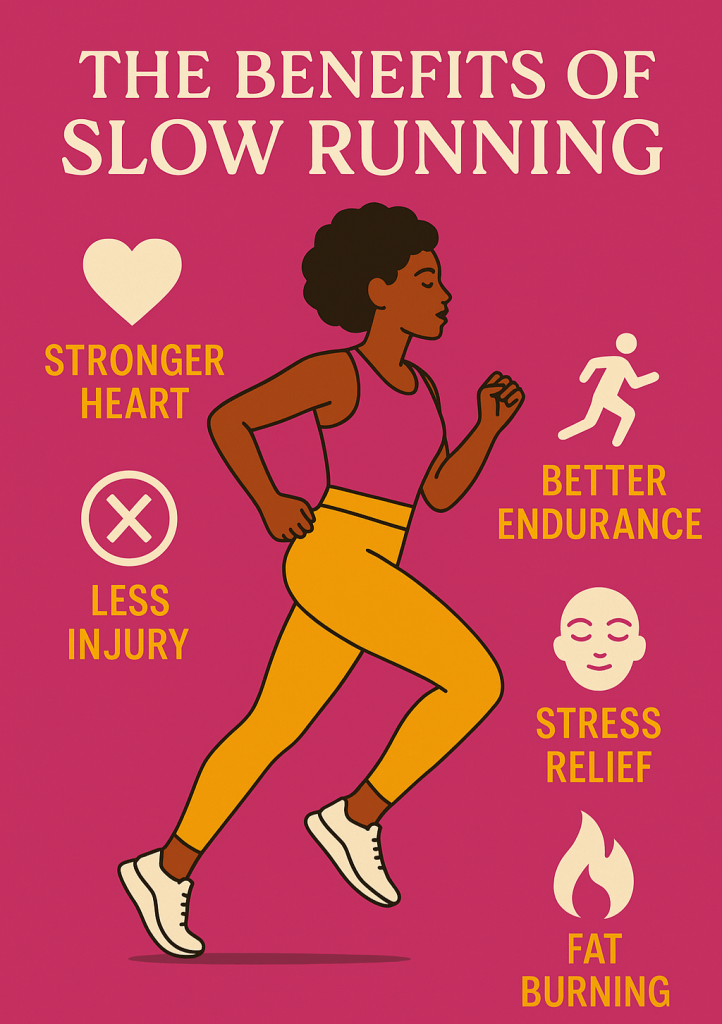
- Build an Unshakeable Endurance Engine: Remember those old dial-up modems? That’s kind of what your body is doing when you only run fast – making a lot of noise for a short burst of connection. Slow running is like upgrading to fiber optic. It trains your body to become incredibly efficient at using oxygen and burning fat for fuel. By running in Zone 2, you’re stimulating the growth of mitochondria (the powerhouses of your cells) and increasing capillary density (more tiny blood vessels delivering oxygen to your muscles). This means over time, you can run longer and feel stronger, without hitting that dreaded wall. (Cleveland Clinic, Les Mills Fitness) You’re building a deep, reliable aerobic base. This is the foundation that all your other fitness goals – whether it’s a 5k, a half-marathon, or just keeping up with your kids or your ambitions – will be built upon.
- Injury Prevention: Keep That Body Moving Fiercely, For Longer: Let’s be real. We’re not 22 anymore. While we’re still vibrant and killing it, our bodies might need a little more TLC. High-impact, high-intensity running all the time can be a fast track to shin splints, knee pain, and other unwelcome injuries that can sideline you from all your world-conquering activities. Slow running significantly reduces the stress on your joints, ligaments, and tendons. You’re less likely to overstride or use poor form because you’re not pushing to your absolute limit. This means more consistent training, fewer forced rest days, and a body that thanks you for it. (Peloton, Trail Runner Magazine)
- Mental Wellness Boost: It’s Not Just Physical, It’s Therapy: The constant pressure to go harder, faster, stronger can be mentally exhausting. Slow running offers a release. It can be meditative. It’s a chance to clear your head, process your thoughts, or just enjoy your surroundings without the internal drill sergeant screaming at you. Exercise, in general, is a known mood booster, releasing endorphins and reducing stress hormones. Slow running, because it’s less taxing, can feel more restorative and less like another chore on your already packed to-do list. It allows you to actually enjoy the act of running. Imagine that!
- Fat Burning Efficiency: Yes, You Read That Right: Contrary to popular belief, you don’t have to be in an all-out sprint to burn fat. In fact, running at a lower intensity (Zone 2) primarily uses fat as its fuel source. High-intensity workouts tend to burn more carbohydrates. So, for sustained fat burning and improved metabolic health, those longer, slower runs are your friend. (Gymshark, INSCYD) This isn’t about aesthetics over health, but understanding how your body works best.
- Actually Become a Faster Runner (Plot Twist!): This is the part that often blows people’s minds. How can running slow make you faster? It’s all about that aerobic base we talked about. Most running plans (even for elite athletes!) incorporate a significant amount of slow, easy runs (often 80% of their mileage). By building a strong aerobic foundation, your body becomes more efficient. Your heart can pump more blood with each beat, your muscles get better at using oxygen, and you recover faster. This means when it is time to push the pace for a speed workout or a race, you have a much deeper well of endurance to draw from. You’ll be able to sustain faster paces for longer, and recover more quickly between hard efforts. It’s the long game, and we Xennials understand the value of strategic patience.
Debunking the “Slow is for Slackers” Myth:
• “It feels TOO easy, it can’t be working!” Your perception of effort will change. It might feel weirdly easy at first, especially if you’re used to pushing hard. Trust the process. Use a heart rate monitor if you need objective data to convince yourself you’re still getting a great workout.
[How to Train Using Heart Rate Zones]
• “I’ll lose my speed!” Nope. You’re building the foundation FOR speed. You’ll still incorporate some faster runs or interval training (the other 20% of your runs, perhaps), but they’ll be more effective because your body is better prepared.
• “It’s boring.” Reframe it! Use the time to listen to that podcast you love, discover a new neighborhood, run with a friend and actually chat, or practice mindfulness. It’s your time. Own it.
How to Embrace Your Inner Slow Running Goddess:
- Know Your Zone: Get a heart rate monitor or learn to gauge conversational pace. The “180-Age” formula is a starting point, but you might need to adjust based on your fitness level and health conditions. If in doubt, chat with a doctor or a running coach.
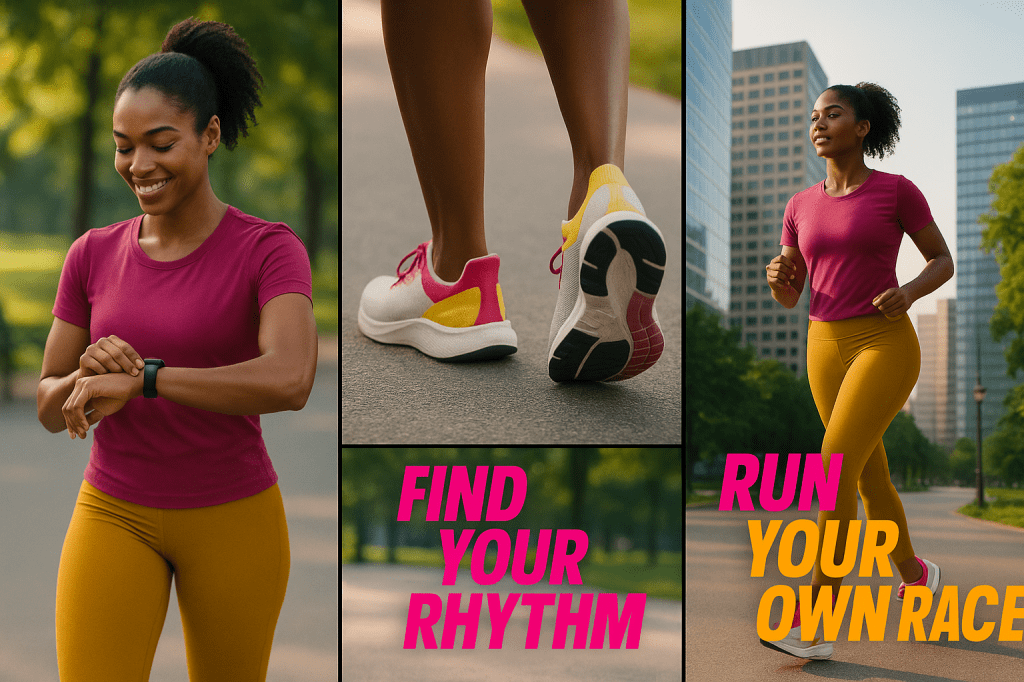
- Leave Your Ego at the Door: Seriously. This is the hardest part for many. You might be passed by people you know you could out-sprint. Let it go. You’re running your race, for your long-term health and fierceness.
- Be Patient: Building an aerobic base takes time. You might feel like you’re running ridiculously slow at first to keep your heart rate down. Stick with it. Over weeks and months, you’ll notice you can run faster at that same low heart rate. That’s progress! This is where the Maffetone Method really emphasizes tracking your pace at your MAF heart rate over time. [The MAF-GPS Test]
- Listen to Your Body: This is paramount. Some days you’ll feel great; other days, you might need to go even slower. That’s okay. The goal is consistency and enjoyment, not punishment.
- Mix It Up (Eventually): Once you’ve built a solid base (give it a few months of consistent slow running), you can start incorporating one or two shorter, faster workouts a week if you have specific speed goals. But those slow runs should still be the bread and butter of your running diet.
Slow Running: The Xennial Woman’s Secret to Sustainable Fierceness
Look, we’re a generation that values authenticity and intelligence. We’re past the point of blindly following trends without understanding the why. Slow running isn’t just a fad; it’s a scientifically-backed, body-kind, and mentally refreshing approach to fitness that aligns perfectly with our desire for longevity, strength, and well-being – without the burnout.
It’s about running in a way that energizes you for all the other amazing things you’re doing in your life, not depletes you. It’s about building a resilient body and a calm mind. It’s about finding joy in movement, on your own terms.
So, dare to slow down. Dare to be different from the “go hard or go home” crowd. Embrace the power of the gentle build. Your body, your mind, and your future, faster self will thank you for it. Now go out there and run – fiercely, intelligently, and yes, maybe even a little bit slowly.



 Fierce Millenial

Leave a comment