
Black women are flipping fairy tales on their heads—and building empires, not waiting on princes.
Once Upon a Real One: Dismantling the Fairy Tale Fantasy
Let’s get this out the way: Cinderella didn’t have rent. No student loans. No TikTok burnout. She sure as hell didn’t have to survive microaggressions at work while trying to build a brand on the side.
That “rags to riches” story? Cute. But Black women are telling a different story—one that doesn’t start in a pumpkin carriage or end with a tiara. Welcome to the era of the Anti-Cinderella, and this time, the glass slipper is made of grit, generational healing, and receipts.
Forget waiting for a prince. These women are reclaiming their time, their power, and their narratives. The New Yorker may have called it a trend, but we’ve been doing this. Let’s talk about it.
The Blueprint: Anti-Cinderella, Black Girl Edition
Say what you want, but Cardi B has lived an Anti-Cinderella arc that’s as raw and real as it gets. Stripping to support herself? Check. Using her platform to rise out of survival mode and into multimillion-dollar moves? Also check. And unlike the fairy tale version, she never pretended to be soft-spoken or demure to get in the palace.
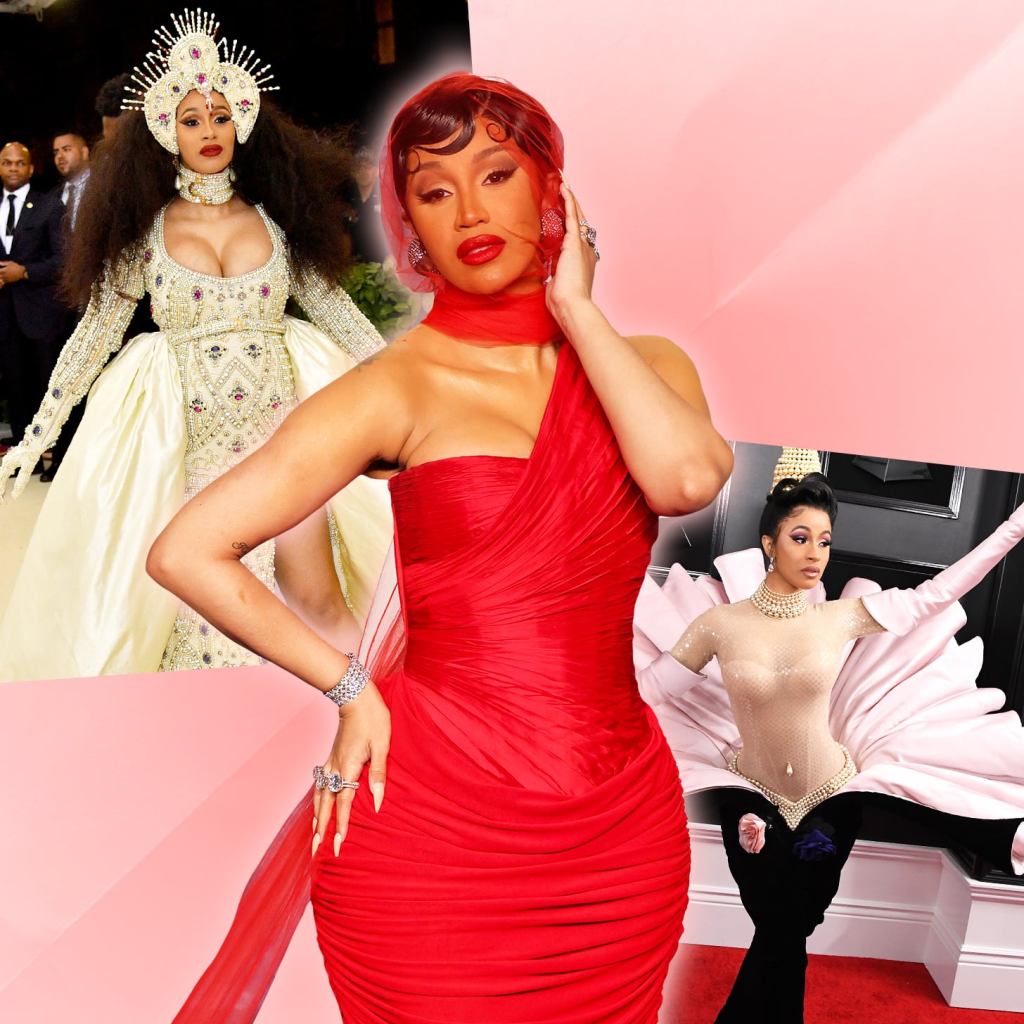
Cardi didn’t marry up—she bossed up, all while being painfully transparent about her struggles, sexuality, and hustle. That’s not a fairy tale. That’s a reckoning.
From the brilliant mind of Issa Rae, Rap Sh!t follows Shawna and Mia—two Miami girls navigating sex work, scams, baby daddies, and viral fame. It’s not glammed up. It’s not neat. And they’re not trying to be rescued by love or luxury. These women are about agency, not aspiration.

Their path to success is messy, loud, and deeply relatable. No gowns. Just grit. And plenty of ring lights.
3. Zola (2021)
A24’s Zola, starring Taylour Paige, is the anti-Cinderella on shrooms. Based on a viral Twitter thread, it’s a wild road trip through Florida’s sex work underworld, told with humor, trauma, and Black-girl survival instincts.
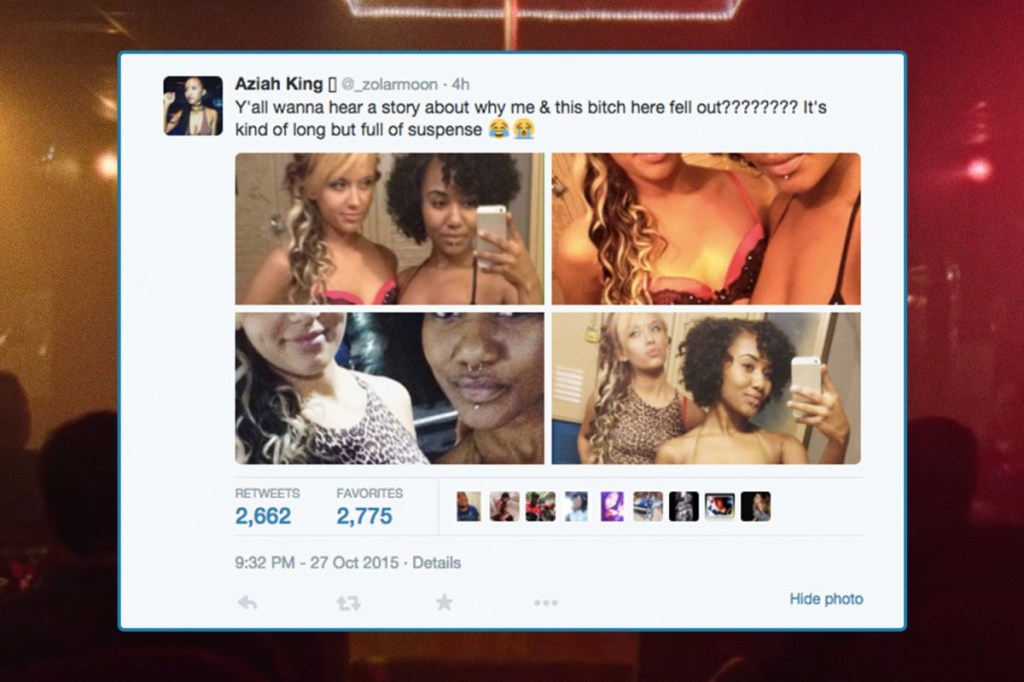
Zola isn’t trying to be saved. She’s trying to make it home, make sense of it all, and maybe make some cash. And she narrates the story on her own terms—raw, sarcastic, and fully aware.
This is where love and survival intersect—two Black people caught in a modern-day nightmare after a traffic stop turns fatal. Yes, the romance simmers underneath, but it’s not a rescue fantasy. They’re not royalty. They’re fugitives. And still, they create something tender inside the trauma.
The fairytale here isn’t about safety—it’s about seeing each other, wholly and radically, even when the system refuses to.
Don’t forget it. Lemonade wasn’t just music. It was a manifesto. It was rage, grief, forgiveness, ancestral echoes, and declarations of self-worth wrapped in Southern Gothic gold. Beyoncé gave us a Black woman’s blueprint for rebuilding yourself after betrayal—not by forgetting your pain, but by folding it into your power.

This wasn’t a breakup ballad. It was a battle hymn. And that final image of her on the porch with her daughters? That’s the new “castle.” No glass, no prince, no savior. Just a throne of her own making.
Why the Anti-Cinderella Hits Different for Black Women
- We were never the default. Fairy tales never centered us. They offered scraps of representation at best, and caricatures at worst. So we started writing our own.
- We’ve been doing real-life plot twists. From redlining to reproductive injustice, we’ve always had to remix the script just to survive—let alone thrive.
- We know that “happily ever after” isn’t guaranteed. But healing ever after? Ownership ever after? Freedom ever after? Now that’s something worth building.
The Cultural Shift: From Fairy Dust to Facts
The Anti-Cinderella movement isn’t just storytelling. It’s survival strategy.
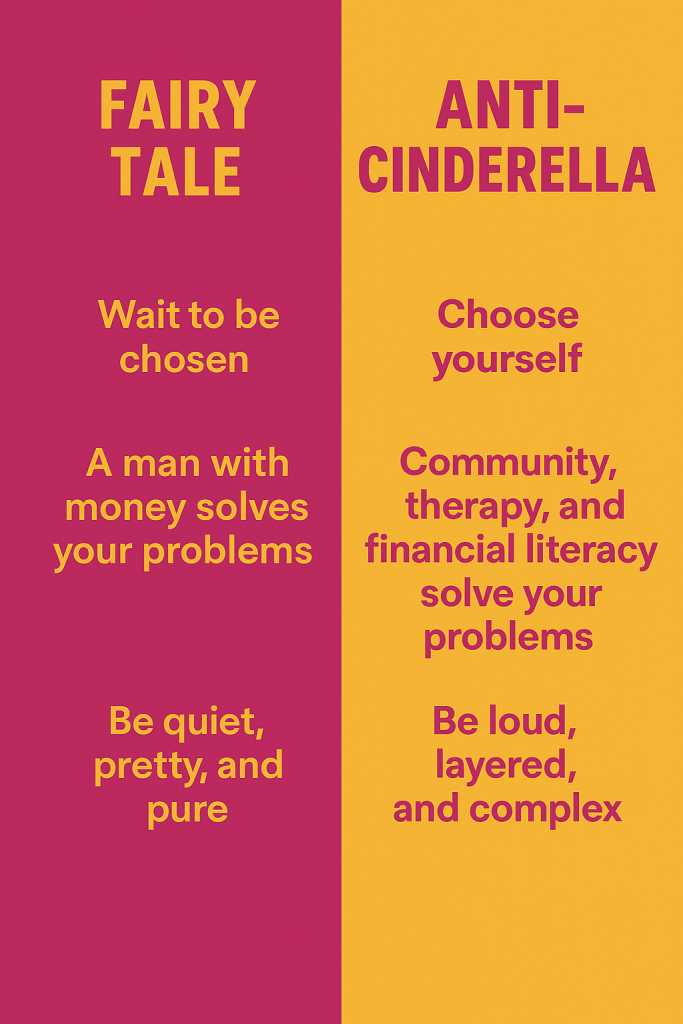
- Fairy tale: Wait to be chosen.
- Anti-Cinderella: Choose yourself. Daily. Loudly. Without apology.
- Fairy tale: A man with money solves your problems.
- Anti-Cinderella: Community, therapy, and financial literacy solve your problems.
- Fairy tale: Be quiet, pretty, and pure.
- Anti-Cinderella: Be loud, layered, and complex AF.
So What’s Next?
Let’s build on this. Here’s how:
→ Start celebrating women who build themselves.
From Taraji to Teyana, Viola to Megan—there are so many examples of Black women doing life their way, without the fairy-tale filter.
→ Support Black indie filmmakers.
The future of Black girl storytelling isn’t on network TV—it’s in the hands of creators who don’t wait for permission. Tap in.
Start that blog. Post that poem. Make that short film on your iPhone. We don’t need glass slippers. We’ve got digital footprints.
Links/References
The New Yorker: The Rise of the Anti-Cinderella Story
Issa Rae’s Rap Sh!t on HBO Max


 Fierce Millenial
Leave a comment