

Is moderate drinking really as harmless as we’ve been told — or are we sipping on lies in cute glasses?
Is Moderate Drinking Bad, Actually?
You know the drill: long week, work drama, your group text is dry, your man is drier — so you pour that glass of red because some study somewhere said it’s “good for your heart.” Plus, you’re grown. You pay bills. You recycle. A glass or two never hurt anybody…right?Well, it might be time to put that corkscrew down — because science is no longer co-signing your Cabernet.
The “French Paradox” Lie We Loved
Let’s start with the fairy tale. For years, researchers clung to the so-called “French Paradox,” the idea that the French live long and fabulous lives — croissants in one hand, wine in the other — without the sky falling. It sounded great: heart health in a bottle! Red wine was low-key a health food. Doctors were basically prescribing Pinot Noir.
Except… it was never really true.
According to a deep dive from Vox, recent global studies say that no level of alcohol is completely safe. Read that again. Not “less is better.” Not “only if you’re binge drinking.” No amount is safe.
So What’s the Real Tea (or Whiskey)?
Here’s what actual science is now saying about alcohol — moderate, low-dose, socially acceptable alcohol:
- Alcohol is linked to cancer. Not just the heavy stuff. The National Cancer Institute, the World Health Organization, and your liver have all agreed: alcohol is a Group 1 carcinogen. That’s the same category as tobacco and asbestos.
- Even light drinking raises cancer risk. Just one drink a day increases your risk for breast cancer (hello, estrogen disruption), liver cancer, mouth cancer, and more.

The heart health benefits were overhyped. Those old studies didn’t fully account for other variables like income, education, diet, or even the fact that moderate drinkers were healthier to begin with (because people with serious health issues often stop drinking — making the rest look healthier by comparison).
Alcohol is a depressant. That cute little buzz? It’s your brain slowing down, not relaxing. Long-term use can lead to anxiety, insomnia, weight gain, and yep, full-on depression.
Okay, But Isn’t This a Little Extreme?
Not really. What is extreme is how well alcohol has been marketed to us — especially women. From “Mommy Wine Culture” to the “Rosé All Day” era, drinking has been painted as liberation, self-care, even chic rebellion. But the reality is this:
Big Alcohol is a $1.5 trillion industry that profits most when you believe moderation is safe… and when moderation quietly becomes dependence.
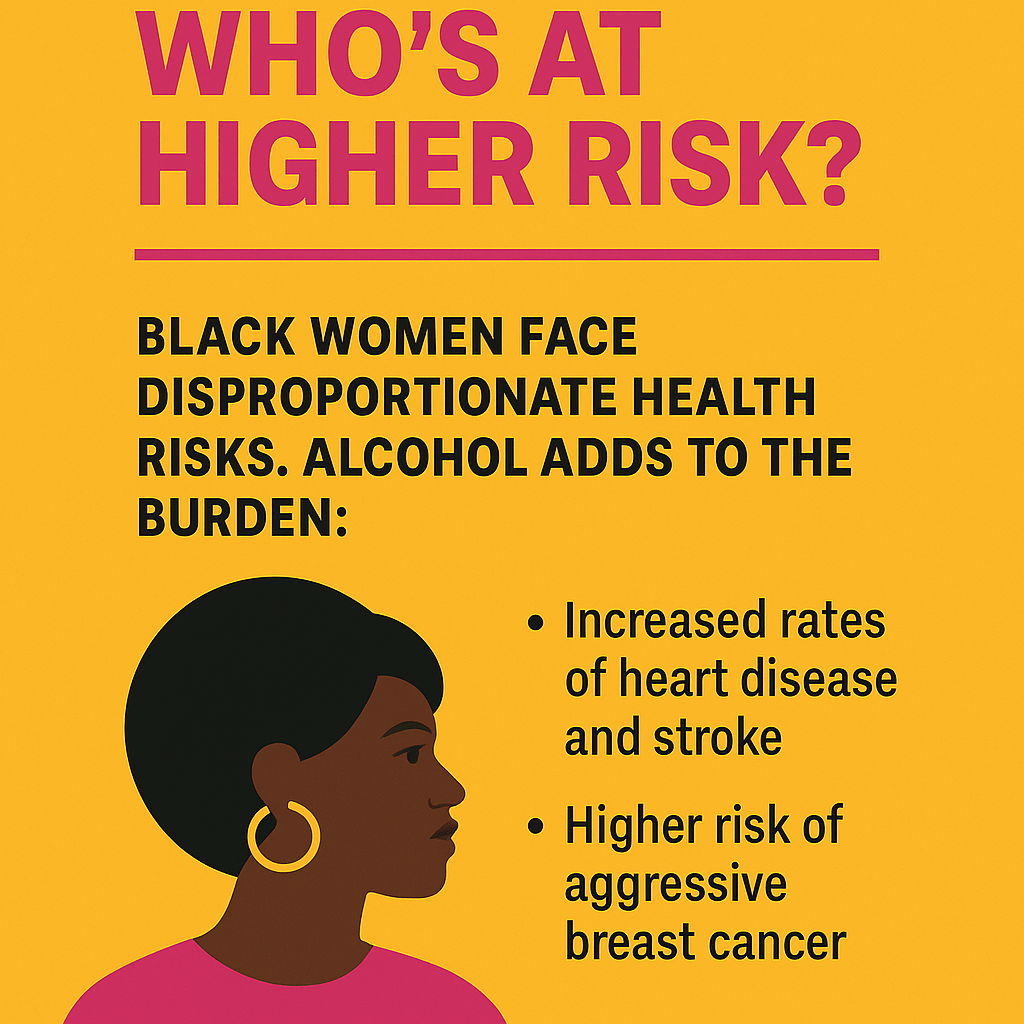
And let’s not even start on how alcohol hits Black women differently. Our communities already carry higher risks for hypertension, fibroids, and breast cancer. Add alcohol to the mix, and it’s a messy cocktail no one ordered.
So… Should I Go Stone Cold Sober?
Nah. Let’s not get Puritanical. Nobody’s trying to snatch your cocktail out of your hand at brunch. But let’s be real about the facts, not the fantasy.
Here’s a more honest approach:
- If you drink, do it with open eyes. Know the risks. Don’t lie to yourself about “heart benefits” or “French elegance.” It’s just wine. That’s all it is.
- Be intentional. Ask: Why am I drinking right now? Celebration? Escape? Habit? There’s no shame in any answer — but there’s power in knowing the truth.
- Normalize opting out. You don’t owe anyone a toast. Not at weddings, not at happy hour, not even on New Year’s Eve. “I’m good with water” should be as chill as “I’ll have a vodka soda.”
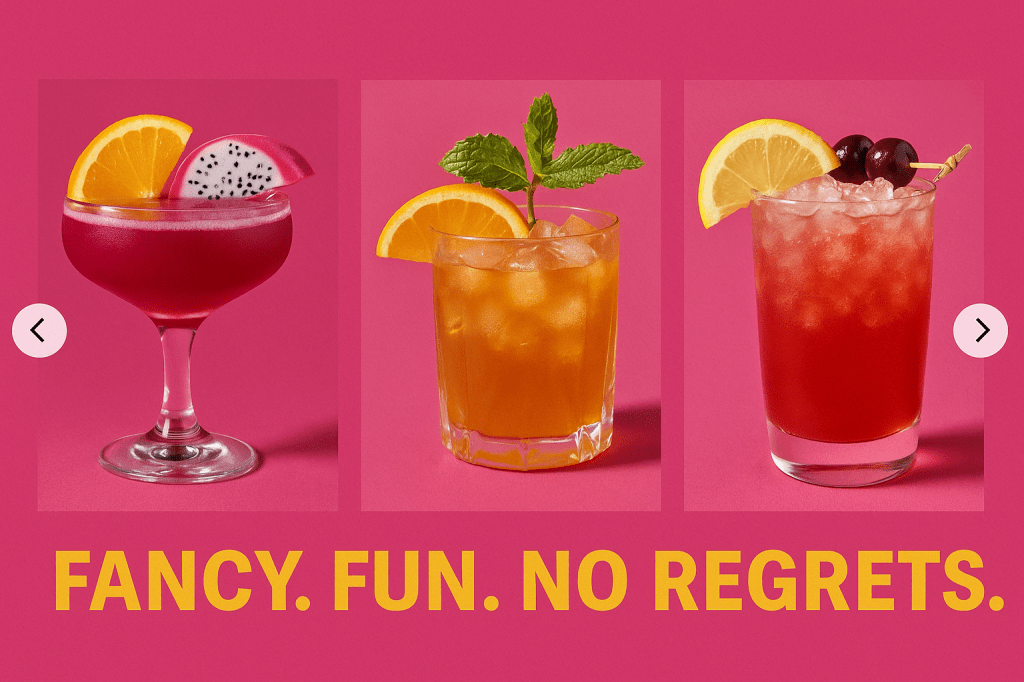
- Explore alternatives. Non-alcoholic spirits, zero-proof cocktails, and mocktails are finally getting their shine — and they don’t come with a side of cancer.
So Why Did We Believe the Hype for So Long?
Because it was profitable. Because the truth is inconvenient. And because nobody likes to hear that something they enjoy might be hurting them.
But look — you’re not wrong for sipping. You’re not weak for loving wine nights. And you’re definitely not a failure if you still drink after reading this. You’re just human.
The point isn’t shame. The point is choice. An informed one.
TL;DR — Let’s Get Fierce With the Facts
- No amount of alcohol is “safe.” Even moderate drinking increases cancer risk.
- Red wine is not your heart’s BFF. That study was a myth with a side of misleading data.
- Alcohol hits women harder — and Black women hardest. Don’t ignore that.You don’t need booze to celebrate, cope, or connect.
- Mocktails are cute. So are clear boundaries.





 Fierce Millenial
Leave a comment