
Get Ready to Make Waves: Your Fierce Guide to Cultivated Seafood and What It Means for Your Table
Alright, fierce ones, gather ’round! Your favorite digital hangout is about to drop some knowledge that’s going to make you re-think your next seafood boil. We’ve been talking about shaking up the status quo, and honey, the status quo in your grocery aisle just got a serious, science-backed shake-up. The United States, in a move that’s got the food world buzzing louder than a Friday night house party, just gave the green light to lab-grown salmon. Yes, you read that right. Your future fish fry might just be born in a bioreactor, not the ocean. And trust us, this isn’t some sci-fi fantasy anymore; it’s real, and it’s hitting plates right now.
For years, the chatter around “cultivated meat” felt like something out of a futuristic flick. We imagined scientists in pristine labs, conjuring up steaks from a few cells. But while the beef and chicken folks have been meticulously working behind the scenes, it’s the seafood industry that just snatched the crown. Wildtype, a visionary company with a name that ironically screams “natural,” has done it. Their cultivated salmon isn’t just approved; it’s already making its grand debut, starting with a splash in Portland, Oregon. This isn’t just about a new product; it’s a seismic shift, a culinary revolution brewing in a stainless steel tank, and it’s got us thinking about everything from sustainability to what “natural” even means anymore.
The Lowdown: From Cell to Supper – How Did We Get Here?
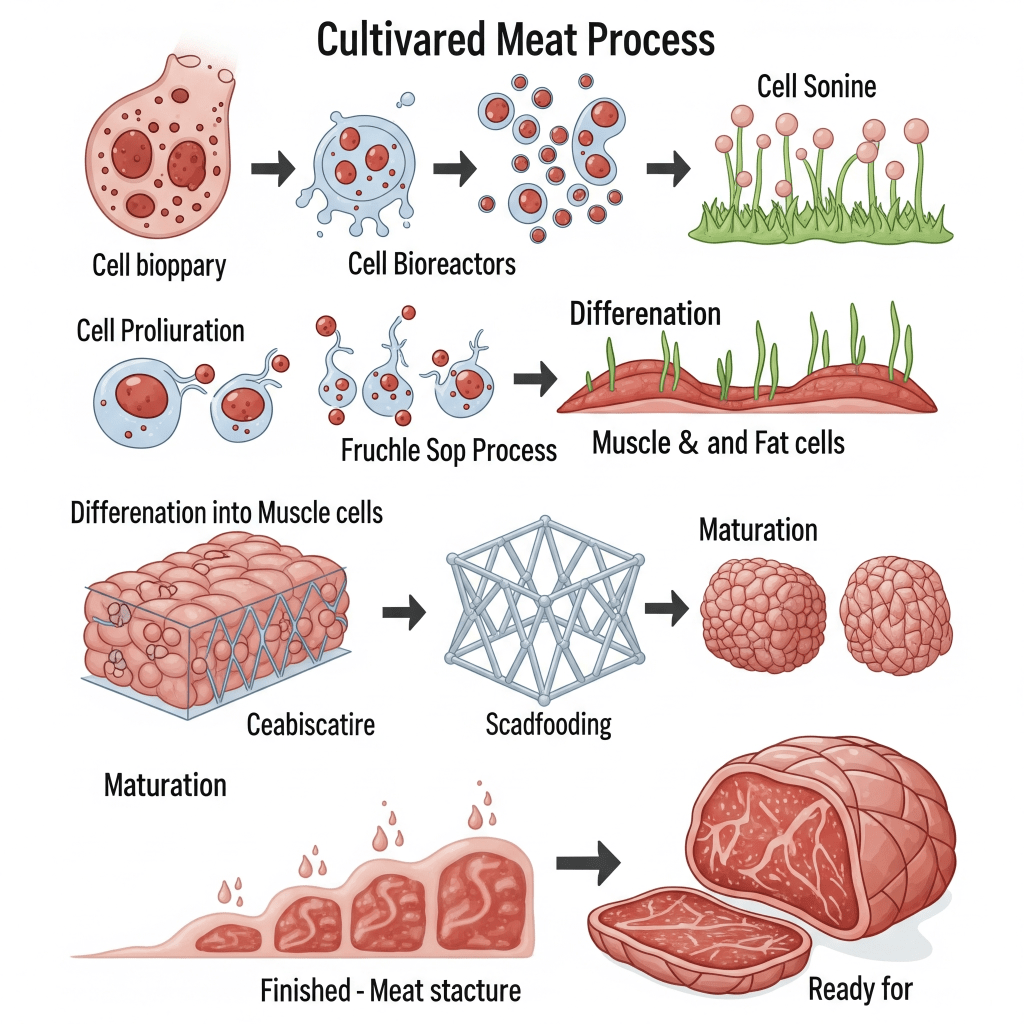
So, how does one even grow a salmon in a lab? It’s not Frankenstein’s fish, we promise. Think of it less like mad science and more like… really advanced farming. Wildtype starts with real salmon cells, the kind that would naturally grow into a fish. These cells are then given all the nutrients they need – the proteins, the fats, the vitamins – in a carefully controlled environment, mimicking the conditions within a fish’s body. They multiply, they grow, they differentiate, and eventually, they form that familiar, flaky, glorious salmon texture we all know and love. It’s like giving nature a supercharged assist, minus the ocean-polluting, overfishing, and habitat-destroying side effects.
The journey for Wildtype wasn’t a quick jaunt to the grocery store. This company has been at it for six years, navigating the intricate labyrinth of the U.S. Food and Drug Administration (FDA) regulations. Six years of data, testing, and rigorous scrutiny to ensure that what they’re putting on your plate is not just innovative but, more importantly, safe. And the FDA, after all that meticulous examination, concluded with “no questions.” In bureaucratic speak, that’s practically a standing ovation. It means they’re confident that Wildtype’s salmon is just as safe as its ocean-dwelling counterparts. This isn’t just a win for Wildtype; it’s a monumental endorsement for the entire cultivated protein industry. It’s a green light from the top, signaling that science can, in fact, provide delicious, sustainable solutions to our global food challenges.
Making a Splash: Who’s Eating It First?
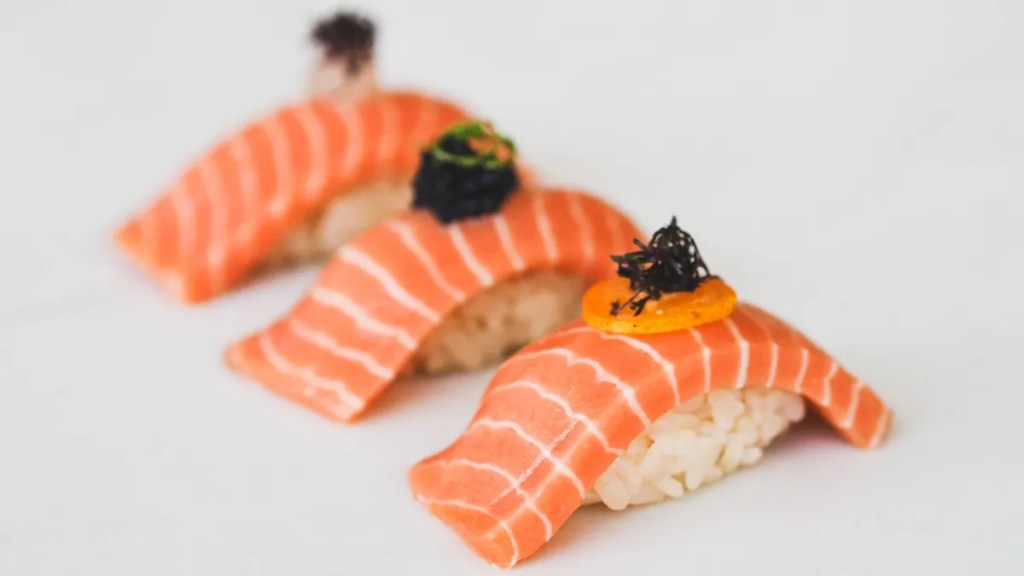
If you’re thinking this is just theoretical, think again. Wildtype’s lab-grown salmon has already graced the tables of Kann, a renowned Haitian restaurant in Portland, Oregon. And the reviews? Enthusiastic. Imagine being able to enjoy the rich, buttery flavor of salmon, knowing that your meal contributed zero to overfishing, zero to ocean pollution, and has a significantly smaller carbon footprint. This isn’t just food; it’s conscious consumption elevated. It’s the kind of innovation that speaks directly to the savvy, globally-aware Millennial woman who wants her plate to reflect her values.
This is more than just a culinary curiosity; it’s a statement. It’s about creating a food system that’s resilient, ethical, and delicious. For too long, we’ve relied on methods that strain our planet’s resources. Overfishing has depleted our oceans, traditional fish farms often contribute to localized pollution, and the demand for seafood continues to skyrocket. Cultivated salmon offers a compelling alternative – a way to meet that demand without further compromising our precious marine ecosystems. It’s about building a future where culinary pleasure doesn’t come at the planet’s expense.
The Political Waters: Why Are Some States Throwing Shade?
Now, here’s where things get a little… spicy. While the FDA has given its nod of approval, not everyone is thrilled about the rise of cultivated meat. In a move that feels less about consumer protection and more about old-school politics, several Republican-led states have been busy enacting bans or temporary bans on the sale of these innovative products. We’re talking Nebraska, Montana, Indiana, Mississippi, Alabama, and Florida all attempting to put the brakes on.
Their arguments often center on vague claims about protecting consumers and traditional agricultural industries. They question the “legitimacy” and “safety” of cultivated meat, even in the face of rigorous FDA approval. It’s a classic tale of innovation clashing with established interests. Some agricultural producers, surprisingly, have welcomed the competition, seeing it as a natural evolution of the market. But for others, it’s a battle for control over the future of food, and they’re using legislative muscle to try and halt progress.
This pushback isn’t just about lab-grown salmon; it’s about the entire cultivated protein movement. It’s a testament to how disruptive and game-changing this technology truly is. When something new and potentially transformative emerges, there will always be those who cling to the familiar, even if the familiar is demonstrably less sustainable or efficient. The irony is, these bans often limit consumer choice and stifle economic growth in states that could benefit from embracing new industries.

Beyond the Plate: Why This Matters for Us
This isn’t just a debate for food scientists and politicians. For us, the intelligent, discerning Millennial women who are navigating a complex world, this development is significant. It touches on:
- Environmental Impact: As stewards of our planet, understanding food production’s footprint is crucial. Cultivated salmon drastically reduces the need for wild-caught fish, helping our oceans recover from overfishing. It offers a tangible step towards a more sustainable future, where our food choices align with our environmental consciousness.
- Food Security & Innovation: With a growing global population, finding scalable, efficient, and ethical ways to produce food is paramount. Cultivated meat represents a powerful tool in our arsenal against future food shortages and supply chain vulnerabilities. It’s about empowering ourselves with choice and ensuring a resilient food system for generations to come.
- Consumer Choice & Empowerment: The FDA’s approval means you now have another option on your plate. You get to decide if and when you want to try lab-grown salmon. It’s about expanding your palate, yes, but also expanding your power as a consumer to support industries that are innovating for a better world. Your dollar, as always, is a vote.
- Challenging Norms: This technology forces us to reconsider what we think we know about food. It sparks conversations about nature, technology, and what it means to eat “clean.” It encourages us to be critical thinkers, to question the status quo, and to embrace progress, even when it feels a little unconventional.
The Fierce Takeaway: Don’t Knock It ‘Til You Try It (or At Least Understand It!)
The debate around cultivated meat will continue to swirl, but one thing is clear: it’s here to stay. The FDA’s approval of Wildtype’s salmon is a landmark moment, opening the floodgates for more innovation in sustainable protein. It’s a testament to human ingenuity and our relentless pursuit of better solutions.
So, the next time you’re thinking about dinner, you might just find yourself pondering a new question: wild-caught, farmed, or cultivated? And as the bold, brilliant women we are, we encourage you to stay informed, ask questions, and perhaps, when the opportunity arises, take a fearless bite into the future. After all, standing on the edge of what’s new and embracing change is what being fierce is all about.




 Fierce Millenial
Leave a comment