

Get Ready to Unpack Your Favorite Candy Bar — It’s About to Get Real.
Alright, my brilliant, discerning Millennial fam! Let’s talk about something that might just blow your mind (and possibly ruin your next grocery run, but in the best way). We’re diving deep into a topic that has sparked whispers, raised eyebrows, and frankly, caused a bit of confusion across oceans: Why does American chocolate often taste, well, weird to the rest of the world?
You’ve probably heard it before – a friend comes back from Europe raving about the chocolate, or you see an international meme comparing Hershey’s to… well, let’s just say it’s not always flattering. And if you’re anything like me, you’ve probably defended your beloved American treats, thinking, “What are they even talking about? Chocolate is chocolate!” But hold up, my courageous truth-seekers, because there’s a whole science, history, and even a dash of rebellion behind this global chocolate divide.
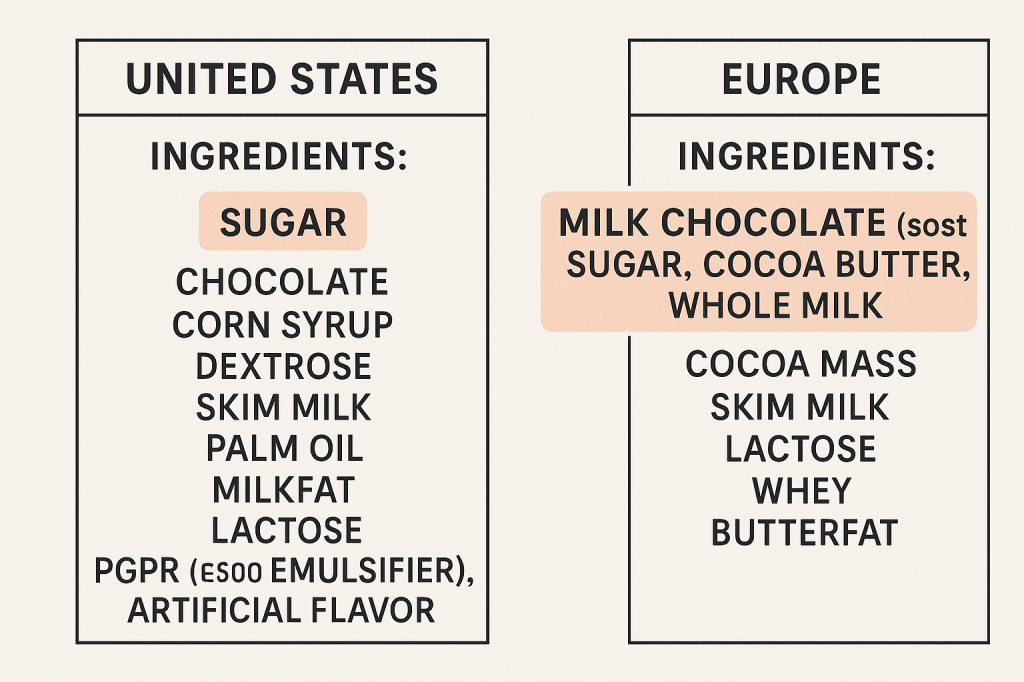
Let’s get straight to the edgiest truthbomb first, shall we? It largely comes down to a little something called butyric acid. Now, before you wrinkle your nose, hear me out. For decades, American chocolate manufacturers have used a process that introduces this fatty acid into their chocolate, whether intentionally or as a byproduct of how they process milk. And what does butyric acid taste like? In small doses, it can add a certain “tang” or “cheesy” note. In larger concentrations, however, some palates (especially those not accustomed to it) perceive it as tasting… well, like sour milk or even a hint of something a bit more… unpleasant. Think of it as a signature flavor, a secret ingredient that’s not so secret to those outside our borders, and one that often causes a collective “huh?” from international chocolate aficionados. This isn’t a judgment, just a brilliant observation of taste and tradition.
Now, let’s talk sugar, because darling, we love our sweetness here in the States. Generally speaking, American chocolate tends to have a significantly higher sugar content compared to its European counterparts. While we’re over here enjoying that immediate sugar rush, many European chocolatiers prioritize the complex nuances of the cocoa bean itself. They want the rich, bitter, fruity, or earthy notes of the chocolate to shine, not be drowned out by an avalanche of sweetness. It’s like comparing a bold, unadulterated jazz solo to a pop song with auto-tune and a thousand catchy hooks – both have their fans, but they’re fundamentally different experiences. This isn’t about right or wrong, but about diverse preferences and what makes a palate sing!
And while we’re dissecting ingredients, let’s not forget the usual suspects: additives. Corn syrup, various vegetable fats (instead of pure cocoa butter), and artificial flavors often make an appearance in American chocolate. These ingredients are used for a variety of reasons – cost-effectiveness, shelf stability, and achieving a specific texture. European regulations, on the other hand, are often far stricter when it comes to what can actually be labeled “chocolate.” Many European countries demand higher percentages of cocoa solids and cocoa butter, leading to a richer, more intense, and purer chocolate experience. This commitment to quality isn’t just about snobbery; it’s about heritage and a deeply ingrained respect for the cocoa bean.
Consider the craft. European chocolate makers, particularly in Switzerland, Belgium, France, and Germany, often stick to traditional, time-honored processes like conching. This is a lengthy process of mixing, agitating, and aerating the chocolate mass, sometimes for days. What does conching do? It creates that unbelievably smooth, melt-in-your-mouth texture that European chocolate is famous for, developing its complex flavor profile as volatile acids evaporate. It’s a labor of love, a slow burn that yields exquisite results. American chocolate, while delicious in its own right and perfect for our beloved S’mores and candy bars, often opts for faster, more mass-production-friendly methods, which can result in a grainier texture and a less nuanced flavor.
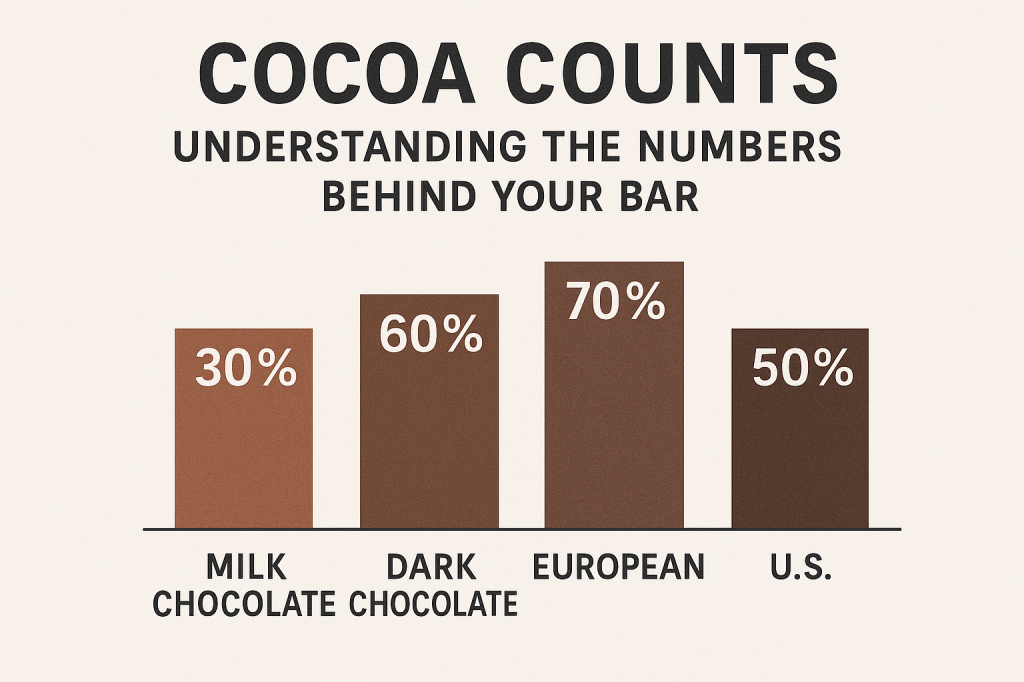
It’s also a matter of cultural palate development. Think about it: we grow up with a certain taste profile. If your first chocolate experiences are with the buttery, sweet, and slightly tangy notes of American chocolate, that becomes your baseline, your comfort zone. For someone whose palate was nurtured on the deep, bitter notes of high-quality European dark chocolate, or the creamy, less sweet milk chocolate from across the pond, American chocolate can indeed taste… foreign, perhaps even a bit jarring. It’s not necessarily “weird” in a bad way, but different enough to be noticeable, like listening to a new genre of music for the first time. It challenges your expectations.
This isn’t about declaring one superior to the other. Not at all! This is about understanding the delicious diversity of the chocolate world and appreciating the unique characteristics that define each region’s offerings. American chocolate has its place, its legacy, and its loyal following for a reason. It’s the taste of childhood for many, the perfect companion for gooey desserts, and frankly, sometimes you just need that nostalgic hit of pure, unadulterated sweetness. It’s bold in its own right, carving out a unique identity in the global confectionery landscape.
So, the next time you hear someone outside the US comment on our chocolate, don’t take it personally. Instead, consider it a brilliant opportunity to discuss the fascinating world of food science, cultural preferences, and the rich history of a truly universal treat. It’s a testament to how even something as simple as a chocolate bar can carry the weight of tradition, innovation, and distinct national tastes.
And for my Millennial women who love to stay informed and entertained, this is just another piece of the puzzle that makes our world so incredibly dynamic. Go on, try a new chocolate, explore those nuanced flavors, and most importantly, keep those beautiful minds open to understanding what makes us all uniquely delicious.




 Fierce Millenial
Leave a comment