
Decoding the Most Talked-About Personality Trait of Our Time and Why Its Owners Are Stepping into the Spotlight.
In a world full of hot takes and fleeting trends, there’s one personality trait that consistently gets the side-eye, the eye-roll, and the collective groan: narcissism. The very word conjures images of endless selfies, self-absorbed monologues, and a relentless demand for attention. It’s the villain in countless online forums, the ex you love to hate, and the source of so much internet drama. Yet, surprisingly, some of the very people labeled with this controversial trait are now boldly stepping forward, not to apologize, but to demand a different kind of attention: understanding. And honestly? They might just have a point worth listening to.
For too long, “narcissist” has been the ultimate insult, a catch-all term for anyone self-involved or insensitive. It’s been weaponized in breakup stories, hurled in political debates, and plastered across social media. But what if the popular narrative is just… flat-out wrong? What if the caricature we’ve all agreed upon misses the mark, overshadowing a complex reality? That’s precisely the conversation a new wave of “self-aware” individuals diagnosed with Narcissistic Personality Disorder (NPD) are trying to ignite, especially on platforms like TikTok and YouTube.
Think about it. We live in an era where authenticity is supposedly king, yet we’re quick to dismiss those who seemingly embody the ultimate un-authentic self. But as we unpack this, you’ll see that the landscape of narcissism is far more nuanced than a simple villain narrative. It’s time to move beyond the shallow definitions and dive into what NPD actually means, what it feels like from the inside, and why this raw, unfiltered insight is crucial for all of us.
The Uncomfortable Truth: What is NPD, Really?
First things first, let’s clear the air. Narcissistic Personality Disorder isn’t just about someone who loves their reflection a bit too much. The Diagnostic and Statistical Manual of Mental Disorders (DSM-5), basically the bible for mental health professionals, has listed NPD since 1980. At its core, it’s characterized by an unreasonably high sense of self-importance, a pathological need for admiration (and we’re talking insatiable here), and, critically, a significant lack of empathy.
Now, that last part – the empathy deficit – is often where the popular narrative gets stuck. We assume a person with NPD is simply incapable of caring, a heartless manipulator devoid of human connection. But as clinical psychologists like Craig Malkin emphasize, it’s not always a complete absence of empathy, but often an unreliable one. It’s like a signal that sometimes gets jammed. This distinction is vital because it shifts the conversation from “evil” to “disordered,” from a moral failing to a mental health condition that requires serious attention and understanding.
The rise of public figures labeled as narcissists, particularly in politics, has solidified the “villain” image in the collective consciousness. It’s easy to point fingers and assign blame. But what if those doing the labeling are missing the larger picture of what drives these behaviors, the internal landscape that shapes their interactions?
The Influencers You Didn’t See Coming
This is where the self-aware NPD influencers come in, turning the tables on traditional perceptions. Take Lee Hammock, for instance, a father of three who, after his own NPD diagnosis, built an entire online empire around it. With millions of followers across YouTube, Instagram, and TikTok, he’s offering something unprecedented: an insider’s view. He’s not here to ask for sympathy, but to explain. To peel back the layers of a condition often shrouded in judgment and misunderstanding.
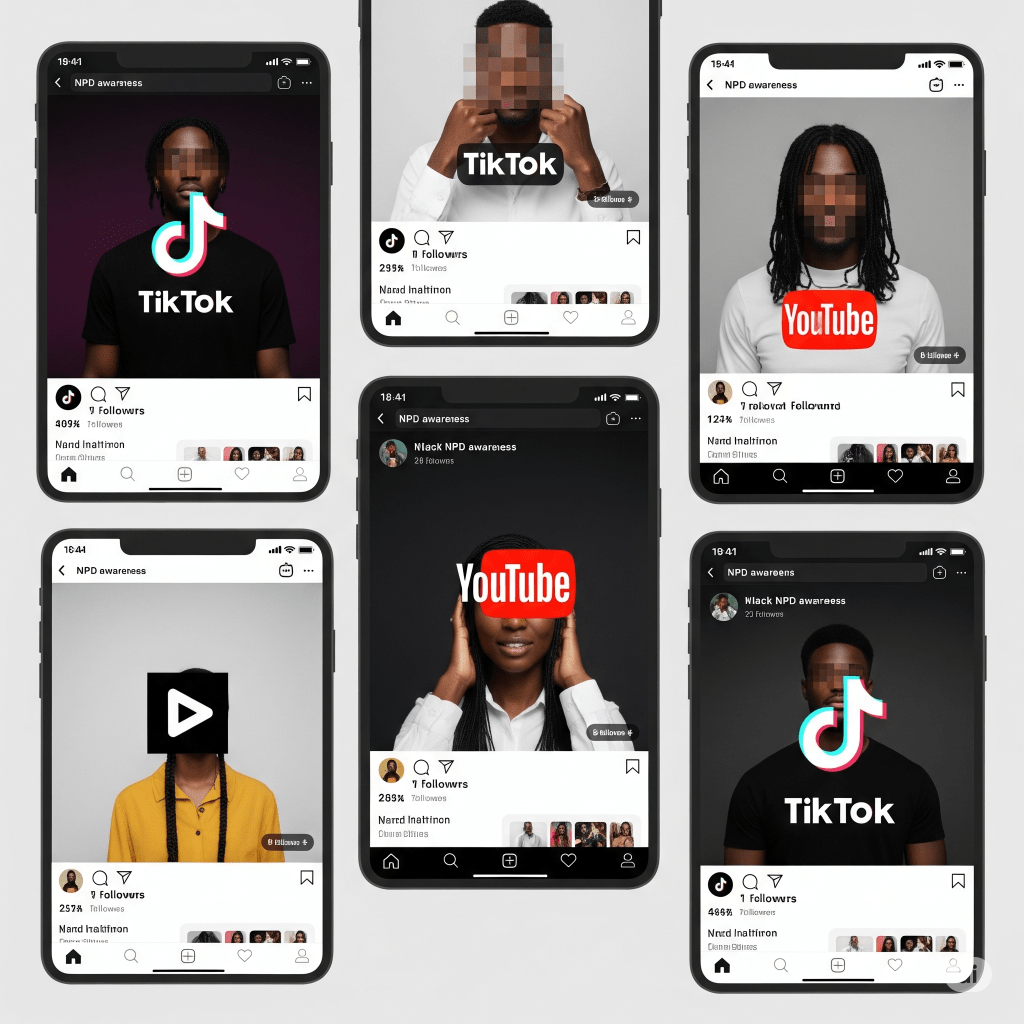
Hammock and others like Jacob Skidmore aren’t just sharing their diagnoses; they’re dissecting their daily experiences. They talk about the exhausting constant management of their self-image, the relentless pursuit of external validation, and, perhaps most surprisingly, the profound loneliness that can accompany NPD. Imagine living in a constant performance, a never-ending quest for applause, all while feeling disconnected from the very people you’re trying to impress. It sounds exhausting, isolating, and undeniably human in its struggle.
This doesn’t mean excusing harmful behavior. Abuse is abuse, regardless of the perpetrator’s mental state. But understanding the roots of certain behaviors can empower those affected by it to set healthier boundaries and can, perhaps, inspire those with the diagnosis to seek help. These influencers are bravely stepping into a space often filled with vitriol from online victim support groups, which, while crucial for survivors, sometimes paint NPD as inherently irredeemable. The conversation needs both sides.
Why Their Perspective Matters (Even if It’s Uncomfortable)
It’s uncomfortable to hear from someone who embodies a trait we’ve been taught to despise. It challenges our preconceived notions and forces us to confront the gray areas we’d rather avoid. But ignoring their voices means missing out on vital information.
Here’s why their insights are crucial:
- Demystifying NPD: They are putting a human face to a disorder often demonized. By sharing their struggles, they help differentiate between someone who is simply self-centered and someone grappling with a diagnosable condition. This clarity can help reduce misdiagnosis in everyday life and encourage more accurate identification.
- Encouraging Therapy and Healing: Many of these influencers openly discuss their journey with therapy and medication. This is perhaps their most significant contribution. By showing that managing NPD symptoms is possible and that seeking professional help is a sign of strength, they are paving a path for others who may be suffering in silence. It’s a bold move to admit you have a condition that society largely hates, and it takes serious courage to then advocate for treatment.
- Fostering Empathy (Even for the “Haters”): Believe it or not, through their public self-work, many of these individuals are developing a deeper, more consistent empathy, even for those who criticize them. They are learning to navigate the emotional landscape that was once a minefield. This speaks volumes about the human capacity for growth and change, even in the face of ingrained personality patterns.
- Informing Healthy Boundaries: For those who have been impacted by truly harmful narcissistic behaviors, understanding the mechanisms behind it – the pathological need for admiration, the unreliable empathy – can empower them to recognize patterns and establish stronger, healthier boundaries. It’s not about condoning, but comprehending.
Beyond the Buzzwords: A Call for Nuance
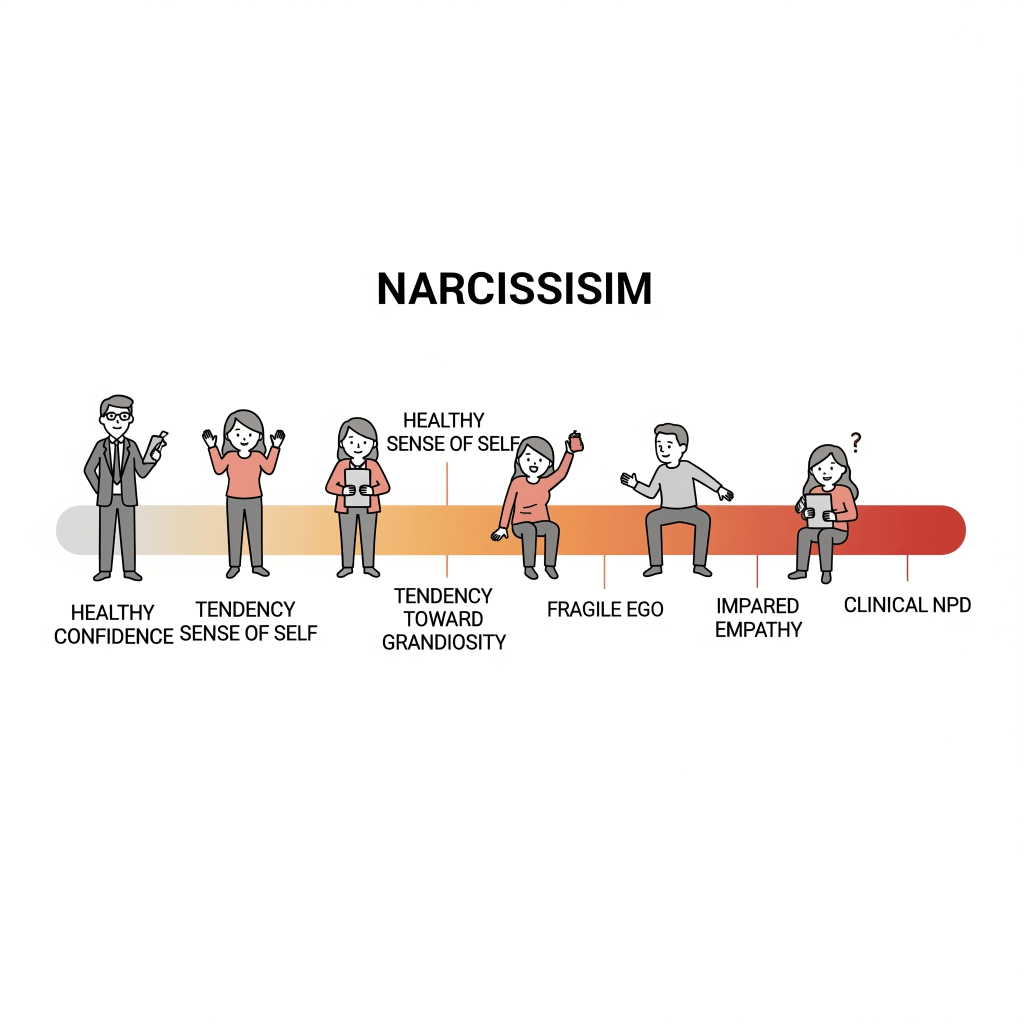
In a world addicted to quick labels and easy answers, the self-aware narcissist is a disruptive force. They’re telling us to slow down, to listen beyond the noise, and to recognize that mental health is a spectrum, not a series of rigid boxes. It’s a challenge to our assumptions about good and evil, victim and villain.
For us, the savvy, discerning Millennial women who navigate complex relationships, careers, and personal growth, this deeper understanding is empowering. It means we’re better equipped to recognize true disorder from simple arrogance, to advocate for mental health resources, and to approach difficult conversations with a more informed perspective.
So, the next time you hear the word “narcissist” thrown around, pause. Remember the nuance. Remember the individuals bravely sharing their journeys. Because sometimes, the most hated personality trait in the world might just hold lessons we all desperately need to hear. It’s bold, it’s edgy, and it’s definitely not what you expected. But that’s precisely why it’s so brilliantly important.


 Fierce Millenial
Leave a comment