

Let’s get real about what’s actually in our food, and whether the latest scare-mongering is justified.
The Age of the Great Food Freakout
Remember when we were told fat was the enemy? Then it was carbs. Then gluten. Now, it seems we’ve arrived at a new villain in our collective health narrative: “ultra-processed” foods. They’re everywhere—from the whispers on social media to the headlines screaming about our impending doom. The conversation is less a measured discussion and more a full-blown panic, a societal-wide freakout that pits our favorite chips and frozen dinners against a pristine, farm-to-table ideal.
But let’s pause for a minute. As intelligent, discerning women, we know better than to just accept the hype. We live in a world of nuance, not black-and-white. The truth about our food, like most things, is a lot more complicated than it’s made out to be. So, let’s peel back the layers, get honest, and figure out what’s what. Because let’s be real, a woman’s health journey deserves better than clickbait headlines and baseless anxiety.
Recently, the Centers for Disease Control and Prevention (CDC) released a report that sent ripples through the wellness community. The report found that the average American gets over half of their calories from ultra-processed foods. The report didn’t exactly say this was a good thing, and the implication was clear: “Houston, we have a problem.” But a closer look at the actual science and definitions reveals a messier picture.
What’s in a Name? The NOVA Classification Breakdown
So, what exactly is an “ultra-processed” food? The term comes from a classification system called NOVA, which divides all foods into four groups.
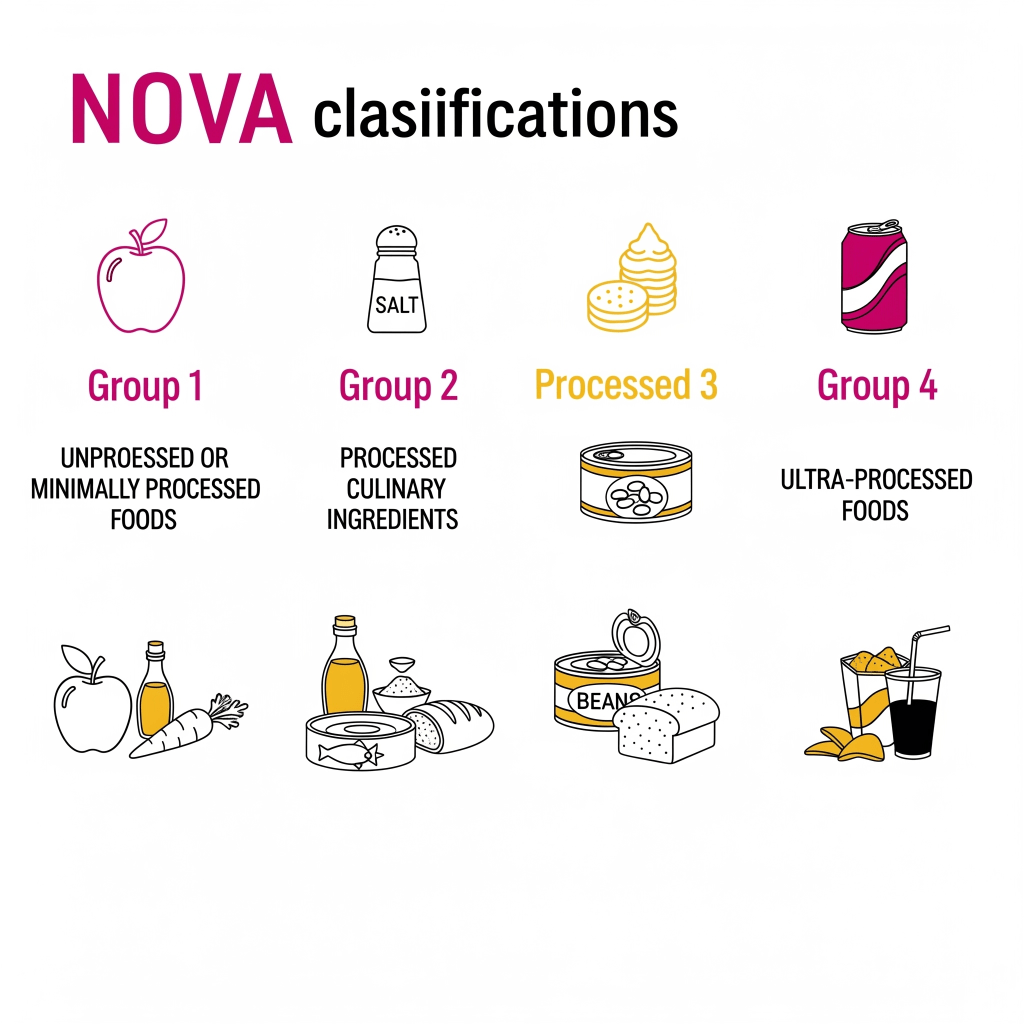
- Group 1: Unprocessed or Minimally Processed Foods. This is the stuff we all know and love: fresh fruits, veggies, grains, legumes, meat, and milk.
- Group 2: Processed Culinary Ingredients. Think olive oil, butter, salt, and sugar. Things we use to make our meals taste amazing.
- Group 3: Processed Foods. Foods made by adding Group 2 ingredients to Group 1 foods. We’re talking canned vegetables, cured meats, and cheese.
- Group 4: Ultra-Processed Foods. This is the big one. According to NOVA, these foods are made mostly or entirely from substances not typically used in home cooking. They often have five or more ingredients and include things like artificial flavors, emulsifiers, and stabilizers. This is where snack cakes, soda, and even a lot of store-bought bread fall.
On the surface, this system seems logical. It’s a way for researchers to talk about food on a large scale. The problem? When you start to apply it to your own life, it starts to fall apart. As pointed out in an article on Lifehacker, this system lumps a factory-baked loaf of whole-grain bread and a chocolate snack cake into the same category, despite their vastly different nutritional profiles. It’s an imperfect, often arbitrary, system that can lead us down a rabbit hole of unnecessary stress.
For instance, NOVA considers dried fruit to be a Group 1 food, even if it’s packed with sugar. At the same time, it classifies a perfectly good, healthy cocktail made with spirits as “ultra-processed,” while a glass of wine is just “processed.” It’s a bit of a mess, and it can be hard to take seriously when it makes such strange distinctions.
Beyond the Label: A Focus on the Bigger Picture
The real issue with ultra-processed foods isn’t necessarily the processing itself; it’s what that processing often entails. Many of these foods are high in calories, sugar, salt, and unhealthy fats. They’re designed to be highly palatable and easy to overeat. But what’s a better predictor of health problems—the fact that a food has five ingredients, or the fact that it has a ton of sugar and salt? The latter, right?
Studies that link ultra-processed foods to things like heart disease and diabetes often fail to separate the “processing” from the “nutrition.” The real problem isn’t the canning process, the freezing, or the mixing of ingredients. The problem is an imbalanced diet.
The truth is, many of us are just trying to get by. We’re working, building businesses, raising families, and living life at full speed. We don’t always have the time, money, or energy to source organic, unprocessed foods for every single meal. The occasional frozen meal or bag of chips isn’t going to derail your health journey. The key is to be mindful of what you’re eating and to strive for a balanced diet that works for you.
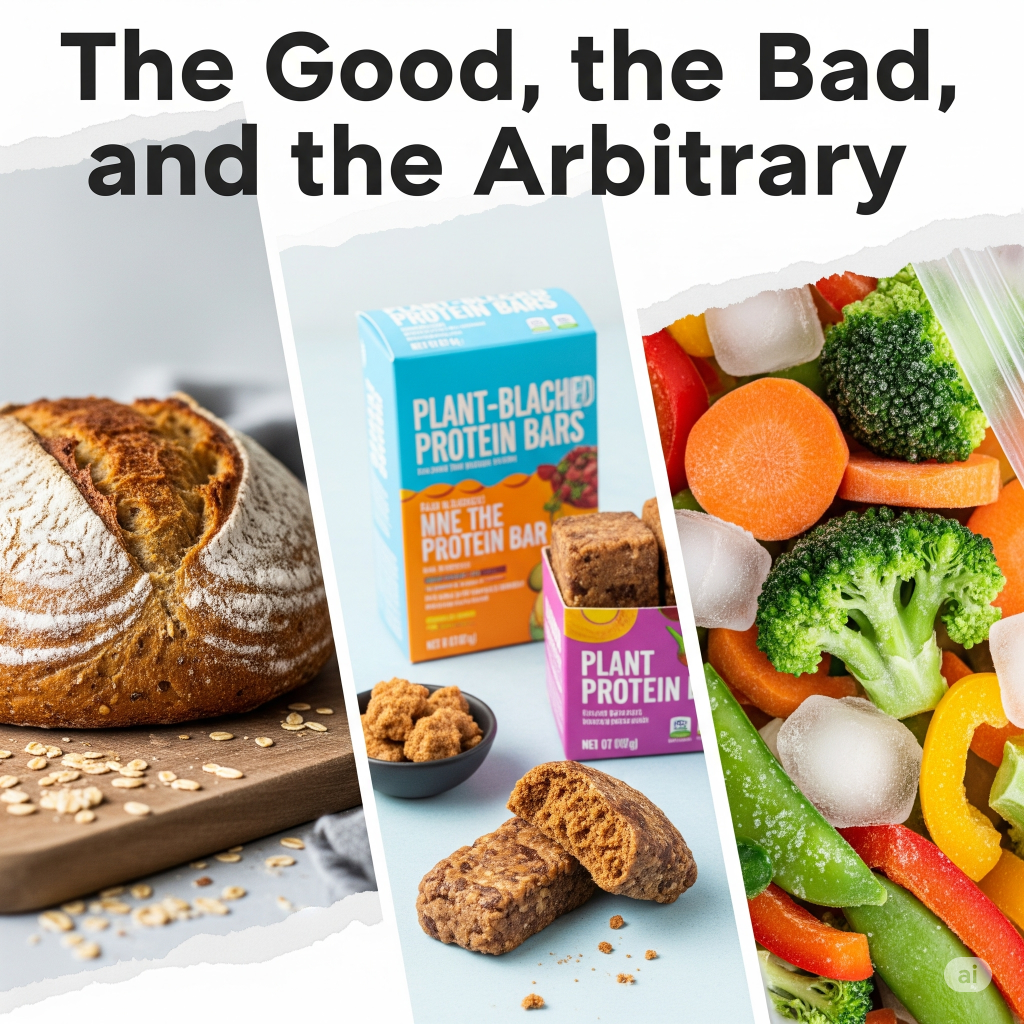
Don’t let the guilt get to you. A loaf of bread from the supermarket is a perfectly fine, affordable staple for many people. The focus shouldn’t be on demonizing food, but on understanding its place in our lives. If you want to make a real impact on your health, focus on what really matters: eating a variety of fruits and vegetables, getting enough protein and fiber, and drinking plenty of water.
The Real Talk
So, what’s the bottom line? The NOVA classification is a useful tool for researchers to track food sources on a macro level, but it’s a pretty clumsy guide for our personal grocery shopping. Instead of stressing over whether a food is “ultra-processed,” ask yourself a few more practical questions:
- Does this food make me feel good?
- Am I eating enough nutrient-dense foods like fruits and vegetables?
- Is this food a good source of energy for my day?
- Am I enjoying my food and my life?
Remember, food is meant to be a source of nourishment and enjoyment, not anxiety. So go ahead, have that bag of chips or a frozen meal on a busy night. Just make sure you’re balancing it with plenty of other good stuff. It’s all about finding what works for you and your fierce, fabulous life.
Links & References:
- Original Source: Are ‘Ultra-Processed’ Foods Really That Bad for You?
- The NOVA Classification System: Understanding the NOVA Food Classification
- CDC Report: Consumption of Ultra-Processed Foods in the U.S.
- Nutritionist’s Take: Why You Should Be Skeptical of the “Ultra-Processed” Label




 Fierce Millenial
Leave a comment