
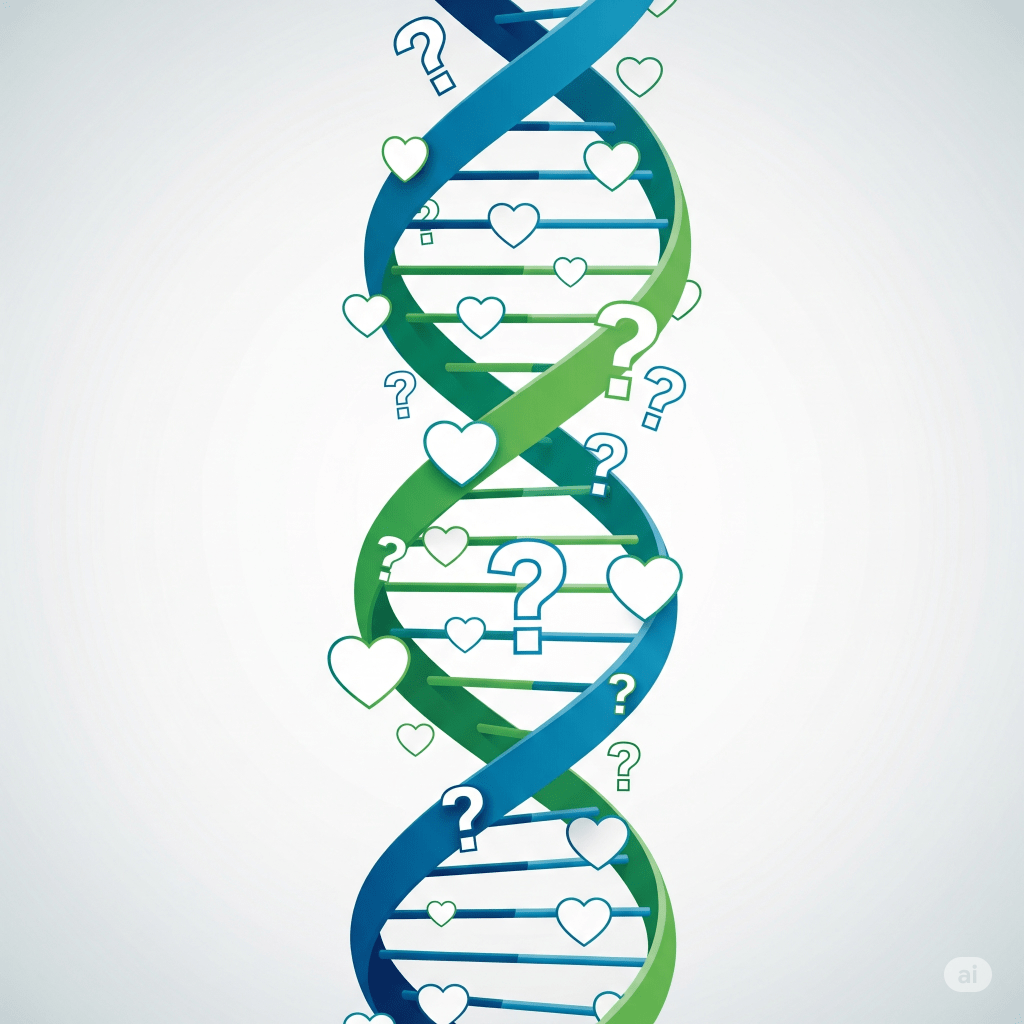
Millions are discovering their parents aren’t who they thought they were, and the fallout is rewriting what we call “family.”
We’ve all been there. You get a little bored, a little curious, and for the price of a decent brunch, you send your spit off in a tube. Maybe you want to know if you have any cool European ancestry, or if your great-great-grandma was a secret pirate. It’s a fun little side quest, a way to fill out your family tree and maybe get a cool story to tell at dinner parties.
Then, the email arrives. The results are in. You click the link, and your whole world tilts on its axis. The tree you thought you knew? It’s not just a little crooked; it’s a completely different species. The person you’ve called “Dad” your entire life isn’t your biological father. Or your beloved aunt is actually your biological mother. Or worse, you discover a whole new sibling you never knew existed, and a whole new set of questions about your identity.
This isn’t a rare, one-in-a-million scenario anymore. Thanks to the accessibility of DNA testing, this plot twist is happening to millions. The numbers are staggering. The stories are everywhere. And for many of us, particularly Xennials and Millennials, who were told certain stories and now have the power of data to verify them, the fallout is a raw, emotional, and often complicated mess.
From Fun Fact to Family Feud
For years, we’ve used these tests to confirm our family lore—or to get a laugh. Remember when we all found out we were 1% Neanderthal? Cute. But what happens when the results aren’t cute? When they reveal a deep, long-held family secret? The revelation can feel like a betrayal, even if the person who kept the secret is no longer here to explain why.
This isn’t just about who you share genes with. It’s about identity, about the stories that shaped you. It’s the story your parents told you about where you came from, what your family is all about, and the values you inherited. When that story crumbles, so does a piece of your foundation.
Imagine the conversation. You’ve just discovered your dad is not your biological father. How do you even begin that talk? Do you start with, “So, I took a DNA test…”? The silence that follows is probably louder than any words. It forces a hard look at the relationships we hold sacred and begs the question: What defines a family? Is it blood? Or is it love, loyalty, and a lifetime of showing up?
For many in our community, this hits differently. The Black family unit is a complex tapestry woven with threads of resilience, joy, and, yes, sometimes complicated secrets. Our histories, often fractured by generations of systemic oppression, are already filled with missing links and unanswered questions. A DNA surprise can feel like another tear in that fabric, another reminder of the things we don’t know and may never fully understand about our lineage.
The New Village: A Community for the Unmoored
If there’s one thing our generation excels at, it’s finding our people. When a traditional support system crumbles, we build a new one online. There are now entire communities and support groups dedicated to people who’ve experienced a DNA surprise. They’re finding a village with others who truly get it. They’re sharing stories, trading advice, and helping each other navigate the emotional minefield.
This is where the magic happens. A biological mother who never knew she had a child, or a half-sibling you discover across the country, can be found. Suddenly, the tree you thought was just a single trunk blossoms with new, unexpected branches. It’s a messy, beautiful, and sometimes awkward reunion. And it’s teaching us that a family isn’t just a birthright; it’s a living, breathing entity that can grow and change in ways we never imagined.
Navigating the Emotional Rollercoaster
So, what do you do when your life becomes a daytime drama?
- Acknowledge Your Feelings. It’s okay to be shocked, angry, sad, or even… relieved. There’s no right or wrong way to feel. Let yourself feel it. Don’t rush to “fix” anything.
- Communicate, but with a Plan. Before you drop the bomb on your family, think about what you want to achieve. Are you looking for answers? An apology? A new relationship?
- Find Your Tribe. Connect with others who have been through this. You are not alone. There are forums, Facebook groups, and even therapists who specialize in this specific kind of trauma. A great resource is the organization Right to Know, which advocates for donor-conceived individuals and those affected by DNA secrets.(dnangels.org).
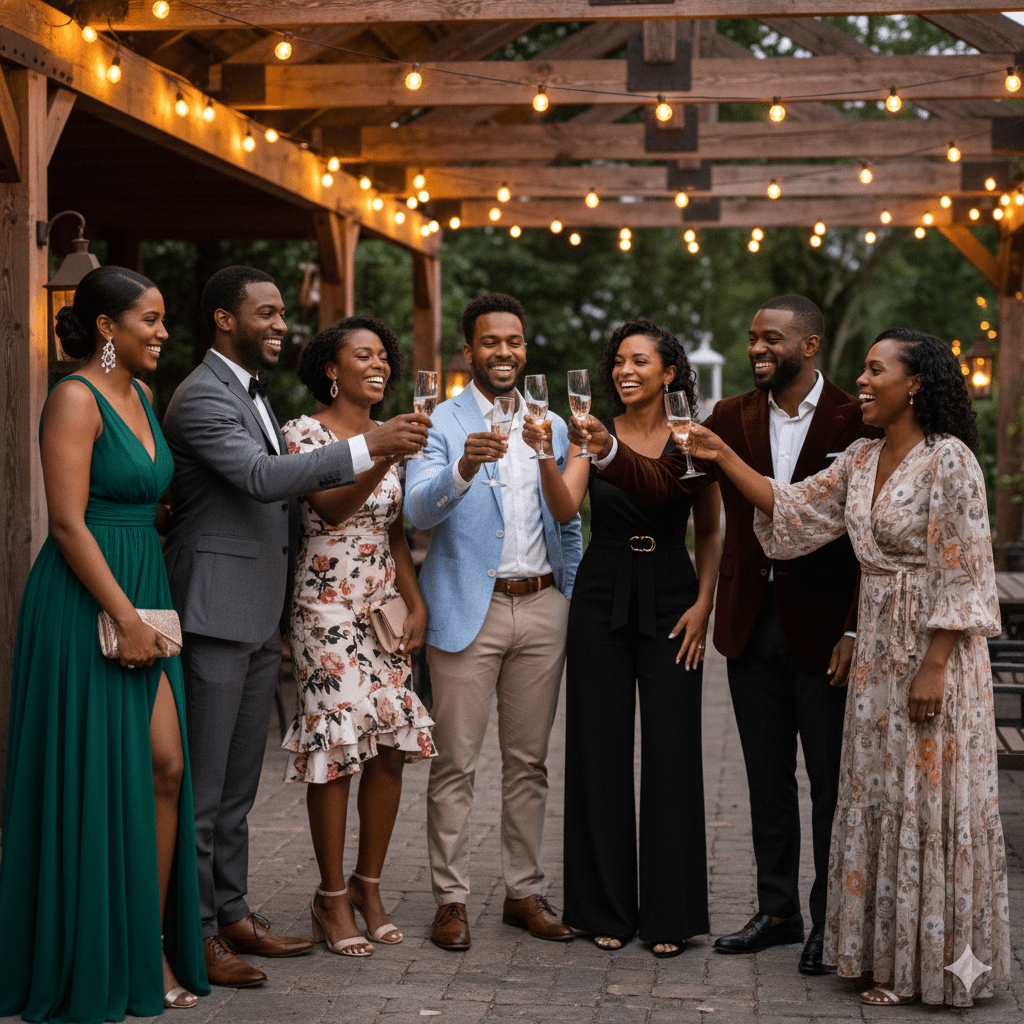
- Redefine “Family.” This is the biggest and most important step. A DNA test can tell you who you’re related to by blood, but it can’t tell you who your family is. That’s a definition only you can create. Your family are the people who lift you up, who love you fiercely, who celebrate your wins and hold you on your bad days. They are the ones who show up, not just in your DNA.
Our Legacy: Beyond the Genes
This era of DNA testing is forcing a new conversation about identity and family. It’s a challenge to the traditional, sometimes rigid, definitions we grew up with. It’s asking us to be brave enough to confront the past and bold enough to create a new, more inclusive future. It’s an opportunity to heal old wounds and build new bridges.
For us, the brilliant, bold, and beautiful Xennials and Millennials, this is another moment to redefine the world on our own terms. We’re not just passive recipients of our heritage; we are the architects of our own stories. We’re the generation that’s not afraid to question, to seek, and to build something better. So, when your DNA throws a surprise your way, remember: it’s just one chapter. The rest of the story is yours to write.




 Fierce Millenial
Leave a comment