

From Hot Cheetos to ghost pepper wings, spice has moved from niche to mainstream. But is America genuinely craving the burn—or is this just another cultural trend?
Walk down any grocery aisle in 2025 and you’ll see it: spice is everywhere. Chips come in “extra flaming hot,” condiments are infused with chili oil, fast food chains are competing to make the spiciest chicken sandwich, and even your favorite iced latte might have a “hint of cayenne.” America has officially caught fire—literally.
But how did we get here? Why is “spicy” no longer a sidekick but the main event? And is this fiery obsession about actual flavor, or just another cultural phenomena? Let’s break it down.

A Shift in the American Palate
For decades, the U.S. food market was dominated by bland and sweet. Think mayo-heavy potato salad, mild casseroles, and the endless reign of ranch dressing. But demographic shifts and globalization have pushed American taste buds in a different direction.
- Immigration & Influence: Mexican, Thai, Indian, Korean, and Ethiopian cuisines—rich in chili, pepper, and heat—have gone from “ethnic” outliers to mainstream staples.
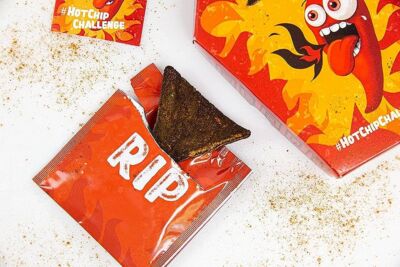
- The TikTok Effect: Social media challenges, like “one chip challenge” and hot sauce taste tests, have turned spice into entertainment. People want to prove they can handle the burn.
- Generational Boldness: Millennials and Gen Z in particular are driving this. Studies show younger consumers seek stronger, more adventurous flavors compared to Boomers and Gen X.
Translation: bland doesn’t cut it anymore.
The Science of Heat
Here’s the kicker: spicy food isn’t technically a flavor. It’s a pain response. Capsaicin, the chemical in chili peppers, binds to your pain receptors and makes your brain think your tongue is on fire. Then your body floods you with endorphins to cope.
So yes, when you’re sweating over hot wings, you’re basically on a mini legal high. That explains why spice is addictive—your brain wants that dopamine hit.

Who Gets Credit for the Spice Boom?
We have to keep it real: America’s “discovery” of spicy food is nothing new. Black, Latino, Asian, and immigrant communities have been cooking with heat for centuries. What’s happening now is corporate America monetizing it.
- Hot Cheetos, once seen as a “hood snack,” are now gourmet—endorsed by chefs and featured in Michelin-star kitchens.
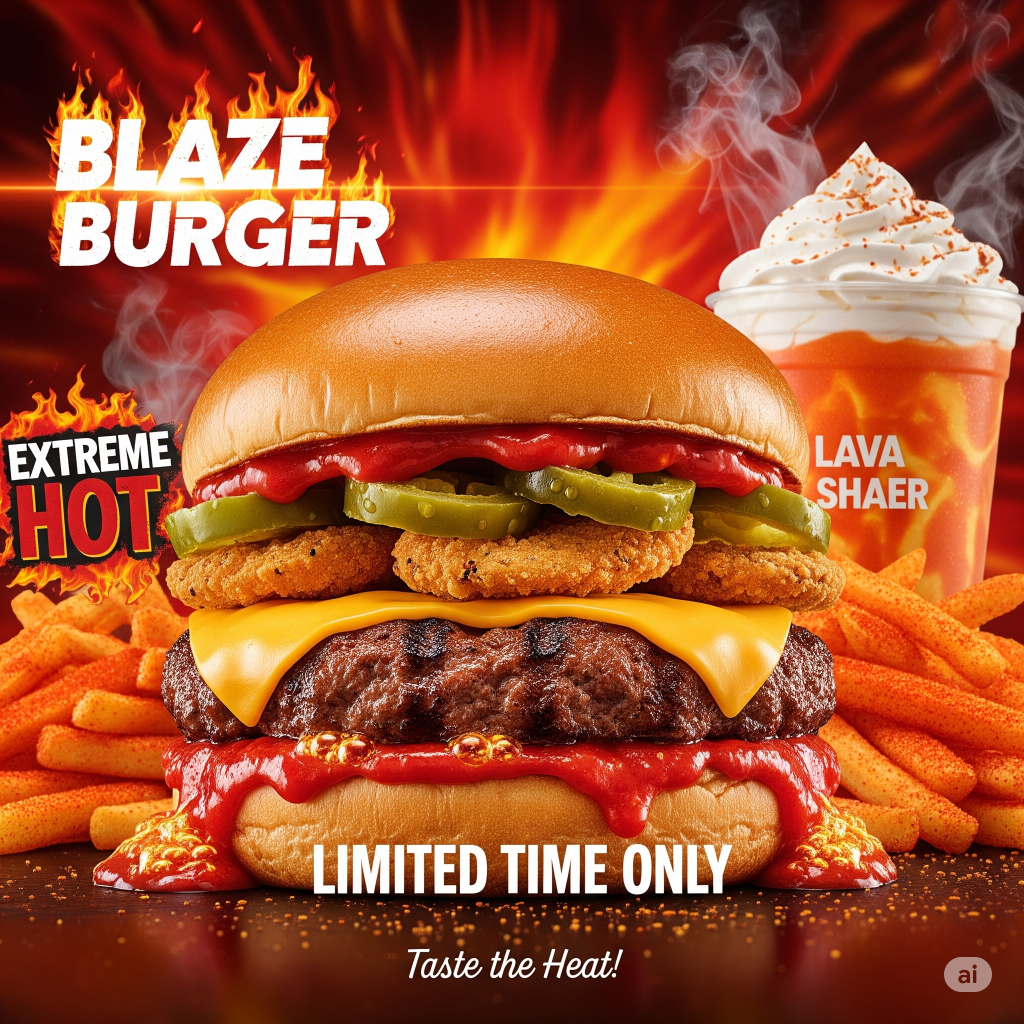
- Fast food chains like McDonald’s, Popeyes, and Taco Bell are dropping limited-edition spicy items as hype bait.
- Even brands like Heinz and Lay’s are banking on chili-flavored everything.
This shift says less about Americans suddenly “loving” spice and more about corporations realizing spice sells.

Spicy = Status?
Here’s the cultural twist: eating spicy food has become a weird form of bragging rights. People flex online about surviving Carolina Reapers, or proudly rank their hot sauce tolerance. It’s not just about taste—it’s about identity.
But that raises a question: is this about appreciation or appropriation?
When major brands profit off flavors rooted in immigrant kitchens, but those same communities are stigmatized or overlooked, it’s worth pausing before we celebrate the “trend.”



Health, Wellness, and the Burn
Spicy food isn’t just hype—it’s also linked to real health benefits:
- Boosts metabolism and may aid weight management.
- Contains antioxidants and anti-inflammatory properties.
- Can release feel-good endorphins that fight stress.
But of course, moderation matters. Too much spice can mess with digestion or trigger reflux. The irony? A lot of us are popping Tums right after chasing that hot wing deal.
The Future of Flavor
So where’s this heading? Expect the heat to keep rising. Experts say global chili consumption is projected to double by 2030. We’ll see more fusion dishes, more experimental products (jalapeño seltzer, anyone?), and maybe even spice-based wellness trends.
But here’s the bottom line: America’s spicy moment is more than just food—it’s about adventurousness, cultural exchange, and corporate hustle. Whether you love the heat or hate it, one thing’s clear: mild is officially out of style.




 Fierce Millenial
Leave a comment