
A New Perspective on a Very Old Problem
Remember that time you had a toothache, and it felt like a tiny monster with a pickaxe was having a party in your jaw? Or that old-school back pain that just won’t quit, no matter how many times you stretch it out? For most of our lives, we’ve been taught to think of pain as a simple, one-way street: something happens to your body, and your body sends a distress signal to your brain. End of story.
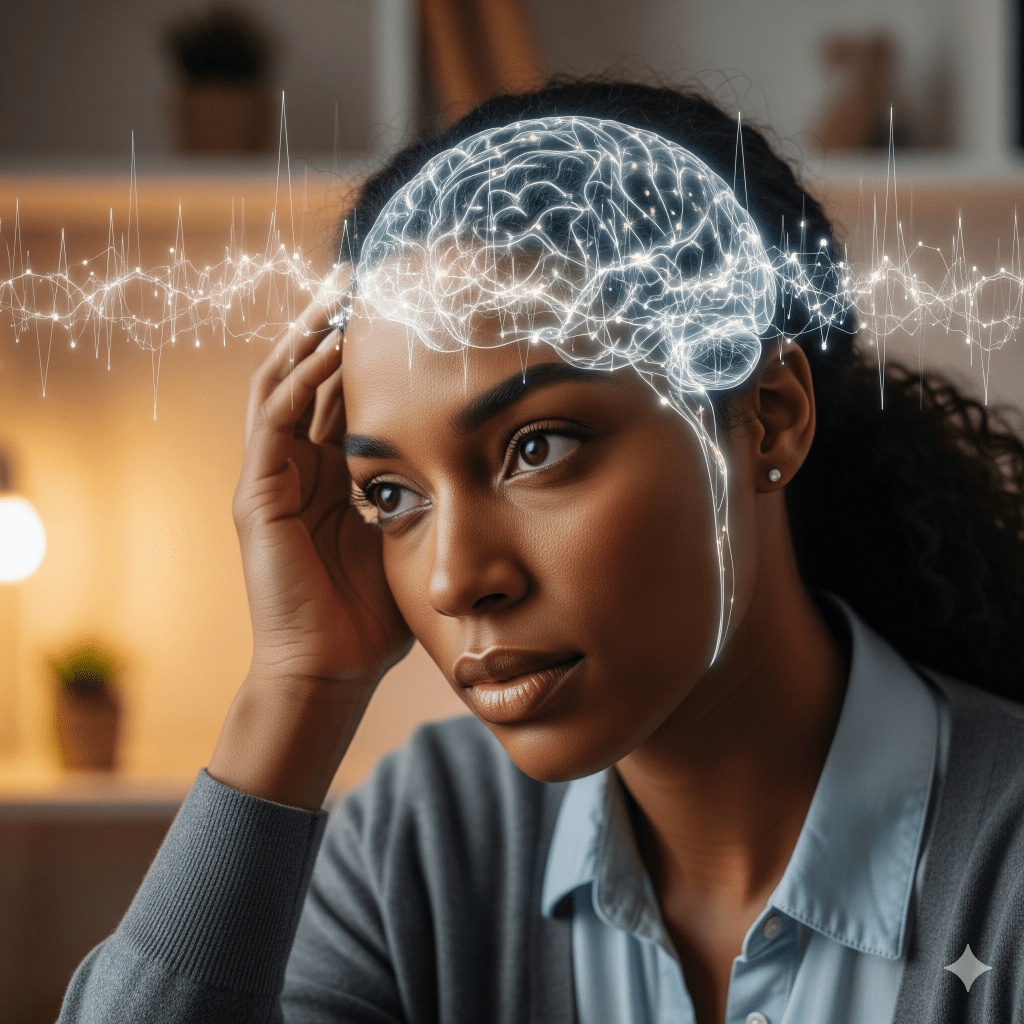
But what if I told you that’s only half the truth? What if the brain, that magnificent, mysterious lump of gray matter between your ears, isn’t just a passive receiver but an active participant—a powerful creator of the very pain you’re feeling? This isn’t a new-age spiritual thing or a “suck it up, buttercup” moment. It’s a scientific reality that has the power to fundamentally change how we, especially Black women, approach chronic pain.
This revelation comes courtesy of Dr. Sanjay Gupta, a neurosurgeon and the chief medical correspondent for CNN, whose new book, It Doesn’t Have to Hurt: Your Smart Guide to a Pain-Free Life, is about to change the game. He’s challenging the narrative that pain is purely physical and arguing that every single sensation of pain, from a paper cut to a debilitating condition, is ultimately a product of your brain. And, more importantly, if the brain can create it, it can also be taught to reduce or even eliminate it.
For a long time, the medical community, and by extension, society, has treated pain as a strictly physical symptom. You have a headache, you take a pill. Your knee hurts, you get a shot. But for millions of us, especially Black women who are often dismissed by the healthcare system and told our pain is “all in our head,” this new approach is a revolution. Dr. Gupta’s work validates what many of us have suspected all along: that the mind and body are inextricably linked, and to heal one, you must address the other.
This is a powerful concept because it shifts the locus of control from external factors—a bad back, a damaged joint, a phantom limb—to the incredible, and often untapped, power of our own minds.
Your Brain is the DJ of Your Pain Party (And You Can Change the Playlist)
Think of your brain as the DJ at a party. When you get a cut on your finger, the nerve endings in your skin send a message to the DJ. The DJ, being responsible, announces to the crowd, “Hey, everyone, we have a little situation here. A sharp object has made contact with the finger. Let’s send a signal to make it hurt a little so we don’t do that again.” That’s acute pain—it’s short-term and serves a purpose.
But what happens when the DJ gets stuck on the same song? Day after day, week after week, the same “pain” signal plays, even after the physical injury has healed. This is chronic pain. The initial message is gone, but the brain has learned to anticipate and perpetuate the signal. It’s like the DJ is just playing a memorized track. This is what Dr. Gupta and other neuroscientists are proving: the brain isn’t just reacting; it’s creating.
The most jarring, but equally brilliant, example is “phantom limb pain.” A person loses an arm, and yet they feel excruciating pain in the hand that is no longer there. How is that possible? Because the pain isn’t in the limb; it’s a deeply ingrained signal in the brain. The brain’s “pain map” of that arm is still active, still firing. It’s proof that pain isn’t about physical presence; it’s about neural pathways.This is where the science gets truly fascinating. Researchers are now able to implant electrodes into the brain and literally map the neural signatures of pain. They’re discovering that pain isn’t an unquantifiable, mysterious force. It’s a measurable, predictable, and, most importantly, malleable phenomenon. This groundbreaking work proves that your pain is real, but it also proves it’s something you can re-wire.
The New Playbook for a Pain-Smart Life
So, what’s the move? If pain is a brain-based phenomenon, what are the steps we can take to regain control? Dr. Gupta offers a compelling list of strategies that are about so much more than just popping a pill.
- Movement is Medicine: When you’re in pain, the last thing you want to do is move. But according to Dr. Gupta, movement—not just a hardcore workout but any form of mindful motion—is a powerful pain disruptor. Gentle yoga, walking, or even simple stretching can help re-educate your brain and break the cycle of pain. It signals to your brain that movement is safe, not something to be avoided.
- The Fierce Diet: Dr. Gupta emphasizes the role of an anti-inflammatory diet. The foods we eat directly impact our body’s inflammatory response, which in turn can influence our brain’s perception of pain. Think of a clean diet as giving your brain a much-needed break from the noise. For us, that means more than just a passing trend—it’s about fueling our bodies and minds with the power they need to fight back.
- The Power of Z’s: Quality sleep is a non-negotiable for pain management. When you’re sleep-deprived, your body’s stress hormones spike, which heightens your sensitivity to pain. Getting enough rest is one of the most proactive things you can do to lower your pain threshold and give your brain the time it needs to reset its circuits.
- Mind Over Matter, With a Twist: This isn’t about ignoring your pain. It’s about acknowledging it and then changing your relationship with it. Practices like mindfulness meditation can train your brain to observe pain without reacting to it. This allows you to create a psychological distance from the sensation, effectively turning the volume down on that persistent “pain” signal. For an accessible intro, check out this video on mindfulness meditation for pain.
- Get Social: Dr. Gupta’s work even touches on the importance of social connection. Chronic pain is often an isolating experience, and loneliness and stress can make pain worse. Having a strong support system helps to lower stress hormones and can be a powerful antidote to the anxiety and depression that often accompany persistent pain. It’s a reminder that self-care is also about building a community that holds you down.
From Chronic Pain to Chronic Hope
The real brilliance of Dr. Gupta’s message is that it takes power away from the pain and puts it back in our hands. The journey is not about finding a magic cure but about building a better relationship with your own body and, most importantly, with your brain.
This is a testament to the power of our own intelligence and resilience. For the women of Fierce Millennial, this message is a resounding yes to the idea that we can reclaim our bodies, our health, and our sanity from a system that often fails to see us. It’s a call to action to not just endure our pain but to outsmart it.
It’s a journey from frustration to liberation, from feeling broken to feeling whole. It’s about realizing that while the pain may be in your head, so is the power to heal. And that, my friends, is a truly fierce kind of magic.
The answer to pain relief could be in your brain.




 Fierce Millenial
Leave a comment