
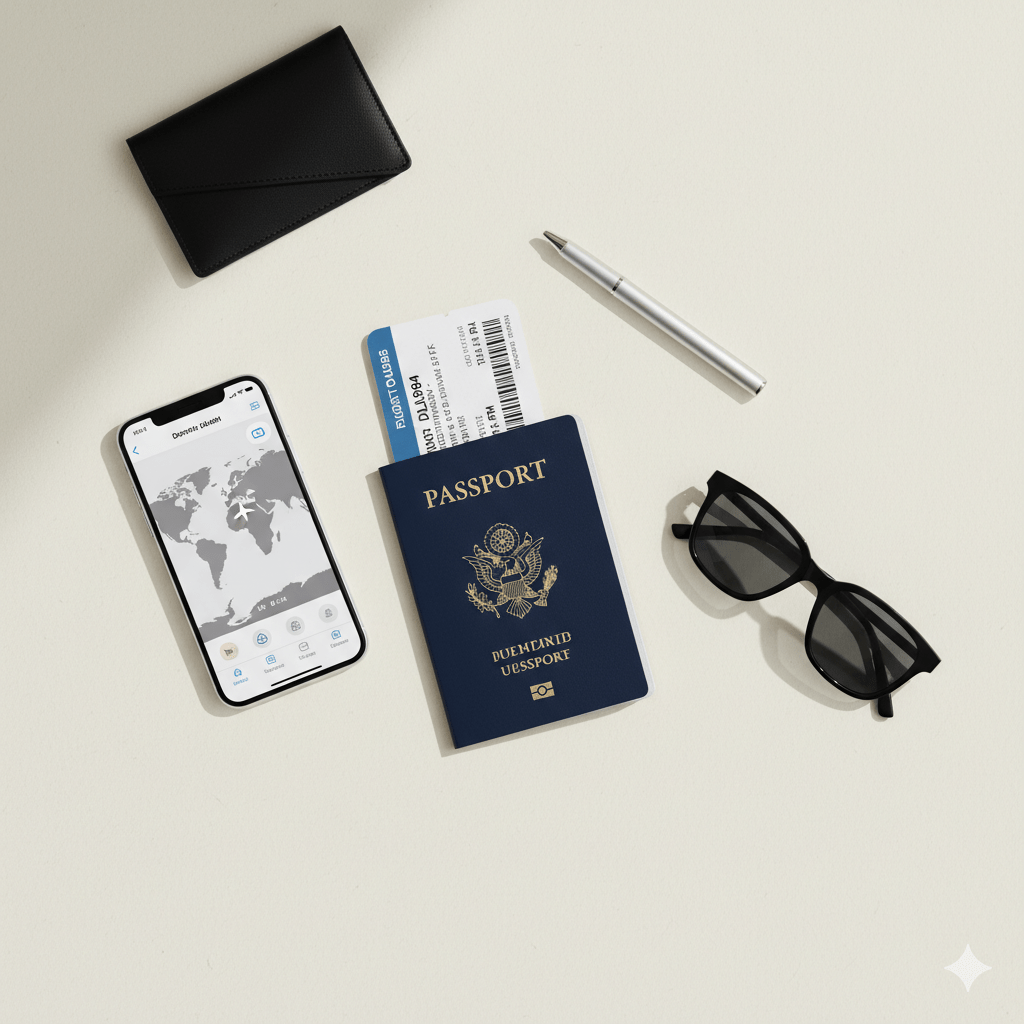
Breaking down the airfare math, the hidden risks, and when you should ditch the traditional round-trip ticket for two one-ways.
If you’ve ever stared down at flight prices while planning a trip and thought, “Why is this so unnecessarily complicated?” welcome to the world of modern air travel. It’s not just you—airlines have practically built a maze designed to make you question both your sanity and your savings account. And one of the biggest travel debates floating around is whether you should book two one-way tickets instead of a round-trip flight.
Spoiler: sometimes yes, sometimes absolutely not. Let’s get into to it.
Why This Even Matters
Airfare is like dating apps: what you see on the surface is rarely what you get. One minute you’re convinced you’ve found a deal, the next you’re realizing there are hidden fees, blackout dates, and restrictions that weren’t advertised up front. Airlines price round-trips and one-ways differently, and that difference can either save you serious cash—or cost you.
According to Afar, the round-trip flight is no longer the automatic money-saver it used to be. With budget airlines and competitive pricing strategies, two one-way tickets can sometimes come out cheaper, especially for international travel. But the key word here is sometimes.
The Case for Two One-Way Tickets
Two one-ways let you fly in and out of different cities. Want to land in Paris and leave from Rome without buying a pricey “multi-city” ticket? Two one-ways got you.
2. Mixing Airlines Can Be Cheaper
Low-cost carriers thrive on one-way fares. By mixing and matching, you can build your own flight cocktail—maybe JetBlue on the way there and Delta on the way back. Sometimes this Frankenstein itinerary saves you hundreds.
Booking separate tickets lets you break free from the round-trip cage. Maybe you want to leave later in the evening or avoid a crack-of-dawn return flight. Two one-ways open that option.
4. Loyalty Isn’t Always Worth It
Airlines love to seduce you with miles and points, but loyalty doesn’t always equal savings. Booking different carriers for each leg might save you more than clinging to one frequent flyer program.

The Case Against Two One-Way Tickets
When you book separate tickets, you’re on your own if things go wrong. Miss your connection? That second airline doesn’t care—it’s not their problem. With a round-trip, at least one carrier is on the hook to get you where you’re going.
Sometimes, two one-ways are straight-up more expensive. Especially with legacy airlines (Delta, United, American), round-trips are often priced to lure you in. Booking one-ways on those carriers can sting.
More tickets, more confirmation numbers, more chances to mess up. If your trip is complicated enough already, why add layers of stress?
4. Baggage Rules May Differ
Two airlines mean two sets of baggage fees and policies. That $60 you saved could vanish once you realize your carry-on isn’t free on Airline B.
Domestic vs. International: A Different Game
- Domestic (U.S.): Round-trips are usually cheaper with the big carriers. Low-cost airlines like Southwest, Spirit, or Frontier sometimes treat one-ways the same as round-trips, so you don’t lose much by experimenting.
- International: This is where things get interesting. Booking two one-ways on competing carriers can actually save you a big chunk, especially when you’re traveling between hubs in Europe or Asia.
How to Do It Smartly
If you’re tempted to try the two one-way hack, here’s how not to burn yourself:
1. Always Check Round-Trip Prices First
Compare, compare, compare. If the difference is only $50, stick with the round-trip and save yourself the headache.
2. Use Flight Search Tools Wisely
Sites like Google Flights, Skyscanner, and Kayak make it easy to play around with one-way vs. round-trip options. Don’t just search once—toggle.

Baggage fees, cancellation policies, and seat selections can sneak up on you. Read the terms before clicking purchase.
If you’re booking two one-ways on different airlines that connect through the same airport, give yourself more buffer time than usual. Missing one flight could ruin your whole itinerary.
If you’re piecing together separate tickets, a travel insurance policy can act as your backup plan when airlines won’t help.

Real-Life Scenarios
- Win: Booking New York to London on Norwegian Air one-way, then returning on TAP Portugal. Price: hundreds cheaper than a Delta round-trip. Plus, you get to stop in Lisbon for pasteis de nata.
- Fail: Booking LAX to Chicago one-way on Spirit, then Chicago to LAX one-way on United. Spirit makes you pay for a carry-on, and United’s round-trip would’ve been cheaper anyway. Net result: you lose.
The Bottom Line
So should you ever book two one-way tickets instead of a round-trip? Yes—if you crave flexibility, are flying internationally, or want to mix airlines for the best deal. But be warned: the convenience of a round-trip can outweigh the few bucks you save on one-ways, especially when baggage fees, missed connections, and logistics are in play.
The smartest move? Always compare both options before booking. Don’t get romantic about the “hack.” This isn’t about being clever—it’s about being practical. Airlines are already playing games with us, so the least we can do is play back strategically.



 Fierce Millenial
Leave a comment