

Sticker shock in the cereal aisle isn’t just your imagination—here’s why your cart is costing more than your first car payment.
You’ve probably noticed it: milk that used to be $3.29 is now flirting with $5. Eggs went through their diva phase of hitting luxury-status prices last year, and even a bag of chips feels like a mortgage payment. Grocery shopping, once a mundane adulting task, now feels like auditioning for Survivor: Whole Foods Edition.
So no, you’re not imagining things—grocery prices really are jumping, and the reasons are layered like a complicated onion that no one asked for. Let’s slice into the truth.
The Perfect Storm Behind Higher Prices
According to a recent USA Today breakdown, grocery costs are soaring thanks to a combo of inflation hangovers, climate chaos, and global supply chain drama. Translation? It’s not just “greedy grocery stores.” The system that puts food on your table is wobbling like a Jenga tower, and we’re all paying for it.
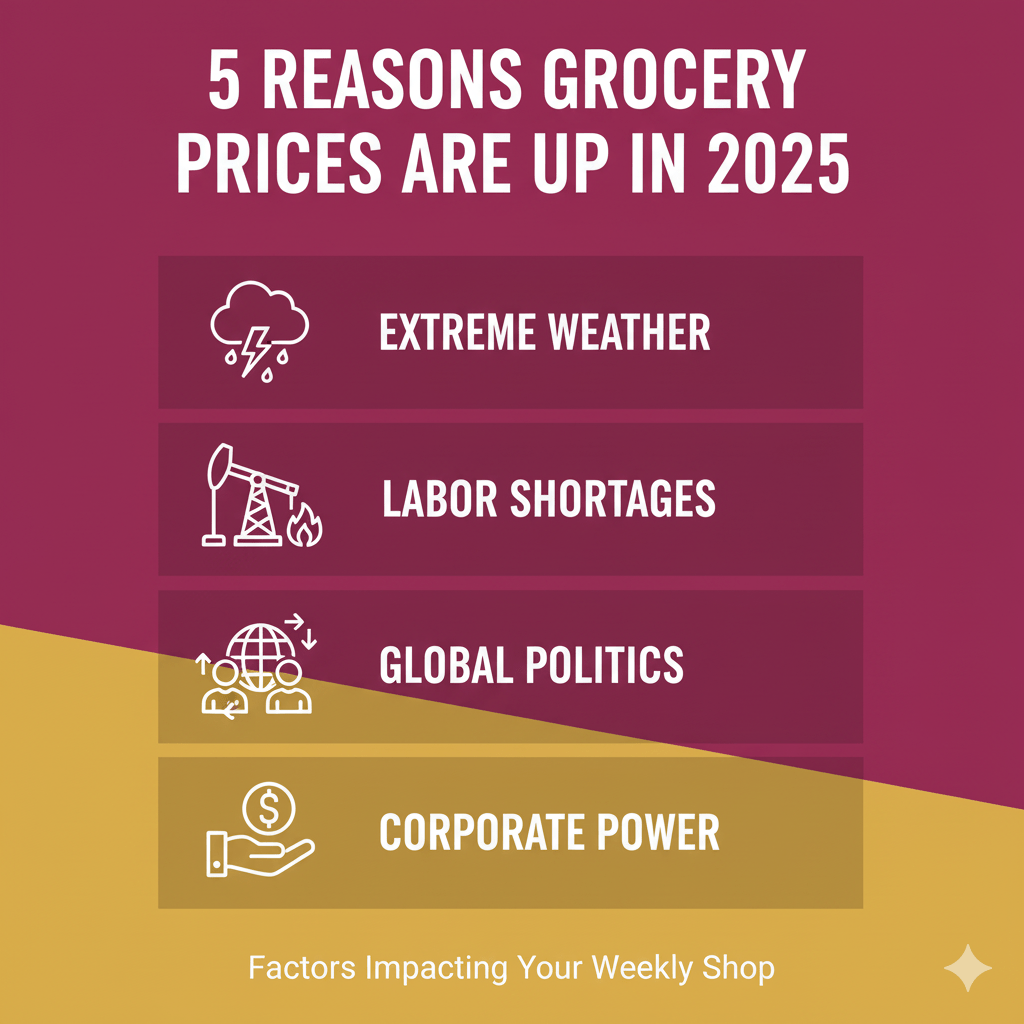
Here’s what’s really happening:
1. Extreme Weather = Extreme Prices
Droughts, floods, hurricanes—you name it. Climate change is straight-up bullying the farms. Crops like wheat, corn, and soybeans have been battered, making basics like bread, cereal, and even meat (since livestock eat that stuff) more expensive. If nature keeps throwing tantrums, your salad fixings will keep climbing in price.
2. Energy Costs Are in the Mix
Food doesn’t teleport to stores. It has to be grown, processed, shipped, and refrigerated. When gas and electricity costs spike, every stage of that journey gets more expensive. Spoiler: they pass that bill straight to you.
3. Labor Shortages & Higher Wages
From farmhands to truck drivers, the food industry has faced ongoing labor shortages. Workers are demanding higher pay (and honestly, they deserve it), but the flipside is higher prices on the shelf.
4. Geopolitics: The Hunger Games, Real Edition
Wars, trade disputes, and global tension affect food imports and exports. When a major exporter holds back grain, or tariffs hit, U.S. prices spike. Think of it like a messy breakup—other countries are withholding the good stuff.
A few giant companies control much of the grocery pipeline, and with less competition, they can set prices like Monopoly champs. “Free market” often feels more like “pay up or starve.”
But Wait, Isn’t Inflation Supposed to Be Cooling?
Technically, yes. Inflation overall has slowed. But groceries? They’ve been stubborn. Food prices tend to lag because supply chains and farming seasons don’t move at the speed of Wall Street tickers. Translation: while your streaming subscription fees chill out, your apples and cheese keep climbing.
Even when prices aren’t rising as fast, they’re still higher than pre-pandemic—and there’s no going back. That $1.99 loaf of bread is history.
How It Hits Black Millennial Households
Let’s be real: rising grocery prices don’t hit everyone the same. For many Black millennial women balancing households, caregiving, and careers, these increases stretch already tight budgets.
- Food deserts in some communities mean fewer options and higher prices at smaller stores.
- Household size matters—feeding kids, elders, or extended family multiplies costs.
- Pay gaps (yep, still a thing) mean rising bills hit harder.

This isn’t just about sticker shock; it’s about access, equity, and the real-life hustle of keeping meals on the table.
What You Can Actually Do About It
You’re not powerless. Here are some strategies to fight back against grocery inflation without spiraling into ramen-for-dinner-for-the-next-decade:
1. Shop Seasonal & Local
Local produce often costs less and lasts longer since it doesn’t travel as far. Hit up farmers’ markets or community co-ops.
2. Join Store Loyalty Programs
Yes, the emails are annoying, but digital coupons and rewards can add up. Clip like it’s 1995, just digitally.
Instead of impulse-buying, plan meals around what’s on sale. Apps like Flipp or your grocery’s own can help track deals.
Plant-based proteins (beans, lentils, tofu) are cheaper than meat most weeks. Mix and match to stretch meals without sacrificing nutrients.
5. Don’t Sleep on Discount Stores
Aldi, Lidl, and warehouse clubs like Costco can save serious money. Generic brands often taste the same (sometimes better).
6. Freeze, Batch, Repeat
Cook larger portions and freeze extras. It cuts down on waste and panic DoorDash orders.
The Bottom Line
Grocery prices are up because the entire food system is under stress—from the weather to geopolitics to plain old corporate power plays. And while your paycheck hasn’t magically stretched to match, there are ways to navigate the chaos.
The bigger question is whether policymakers, corporations, and communities will step up to fix the broken food chain. Until then? Budget-savvy shopping and a little creativity will remain the survival kit.
Your grocery bill might feel like rent, but with the right strategies, at least you won’t be evicted from the produce aisle.



 Fierce Millenial
Leave a comment