

Understanding the silent threat lurking on your skin
Skin cancer. It’s a phrase that often conjures images of sun-soaked beaches, lifeguards, and pale skin. But let’s be real: skin cancer doesn’t discriminate. It’s a silent threat that can creep up on anyone, regardless of skin tone.
While it’s true that people with lighter skin are at a higher risk, melanin – the pigment that gives skin its color – does offer some protection. However, it’s not foolproof. That’s why it’s crucial to be informed about the different types of skin cancer and to prioritize skin checks.
Let’s break down the three most common types of skin cancer:
Basal Cell Carcinoma (BCC)
This is the most common type of skin cancer. It typically appears as a pearly or waxy bump, often with small blood vessels. It can also look like a flat, scaly patch. BCC usually develops on areas exposed to the sun, like your face, neck, and hands. While it rarely spreads, it can cause significant damage if left untreated.
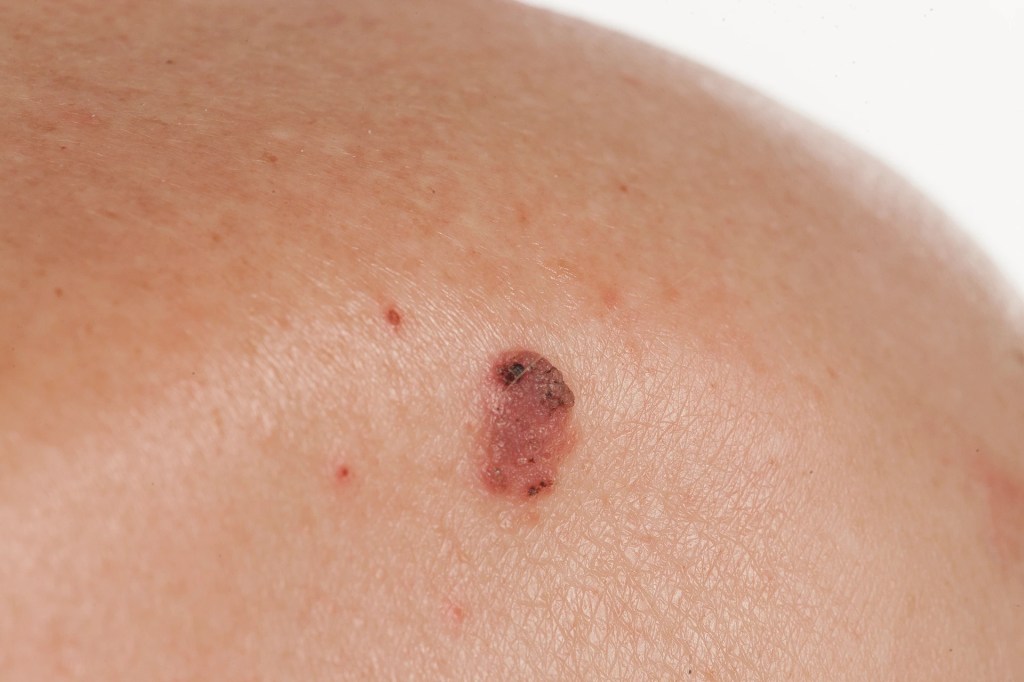
Squamous Cell Carcinoma (SCC)
The second most common type, SCC, often appears as a firm, red nodule. It can also look like a flat, scaly patch. Like BCC, it’s commonly found on sun-exposed areas. SCC has a higher risk of spreading than BCC, but early detection and treatment are key.
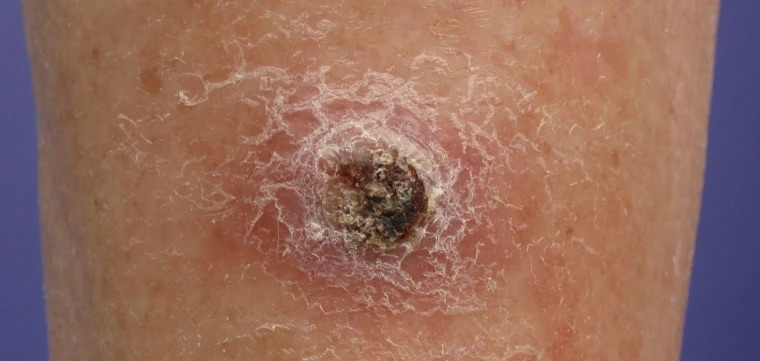
Melanoma
While less common, melanoma is the deadliest form of skin cancer. It can develop anywhere on the body, even in areas not typically exposed to the sun. Melanoma often appears as a mole that changes in size, shape, or color. It may also be asymmetrical, have irregular borders, or have multiple colors.
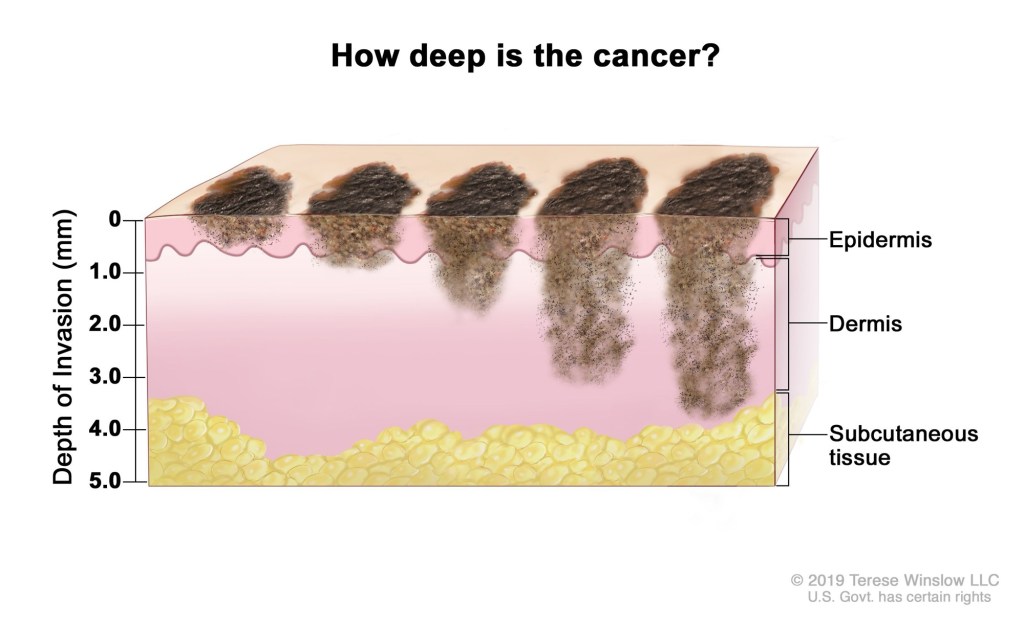
Beyond the ABCDEs
You’ve probably heard of the ABCDE rule for checking moles (asymmetry, border, color, diameter, evolving). While it’s a good starting point, it’s not foolproof. Some melanomas don’t fit the classic mold. That’s why regular skin exams by a dermatologist are crucial.
Skin Cancer and People of Color
It’s important to emphasize that skin cancer is not just a white people problem. While it may manifest differently on darker skin, it’s still a serious threat. Common signs of skin cancer in people of color include:
- Dark, flat patches
- Sores that don’t heal
- Light or dark spots on the nails
- Changes in existing moles

Creator: LaylaBird | Credit: Getty Images
Sun Protection: It’s Not Just for Beach Days
Protecting your skin from the sun is essential in preventing skin cancer. Here are some tips:
- Wear sunscreen: Choose a broad-spectrum sunscreen with an SPF of 30 or higher and reapply every two hours.
- Seek shade: Limit sun exposure, especially during peak hours (10 AM to 4 PM).
- Protective clothing: Wear hats, sunglasses, and long-sleeved clothing.
- Regular skin checks: Schedule annual skin exams with a dermatologist.
Remember, prevention is key. By understanding the risks and taking proactive steps, you can protect your skin and reduce your risk of skin cancer.
So, let’s ditch the stereotypes and embrace sun safety for everyone.





 Fierce Millenial
Leave a comment