

Science-backed tips for boosting memory, focus, and mental clarity
We obsess over workouts for our bodies, superfoods for our skin, and filters for our selfies—but what about the brain? That three-pound organ running the show deserves way more than caffeine shots and half-hearted Sudoku puzzles. According to neurologists, brain health isn’t just about staving off memory loss when you hit retirement; it’s about thriving mentally right now. Think sharper focus, quicker recall, and the kind of clarity that makes you better at life, work, and even Netflix trivia nights.
So what do the experts actually do to keep their brains firing on all cylinders? I dug into the science (thanks to Self.com’s neurologist-backed guide) and pulled the six habits they swear by. Spoiler: it’s not all about kale.
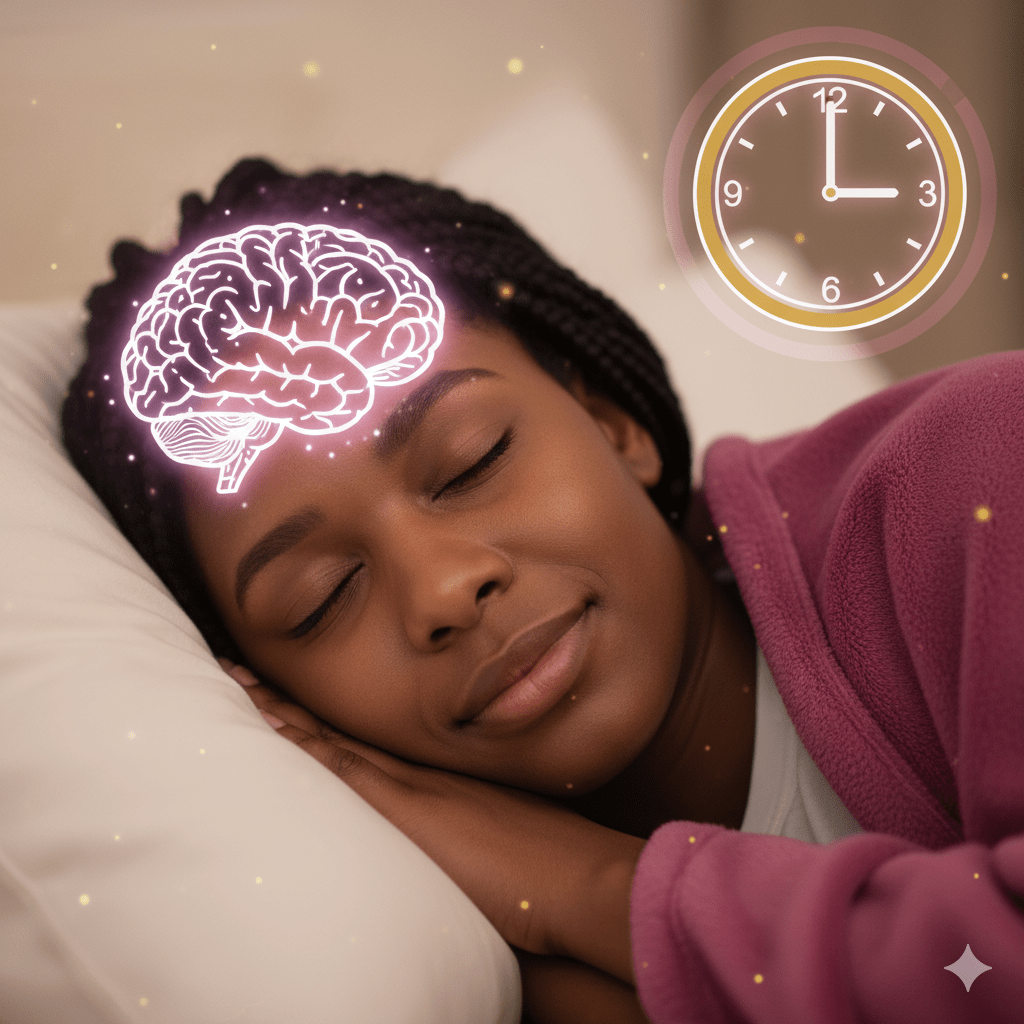
Neurologists treat sleep like a sacred ritual. And they’re not wrong—your brain needs that downtime to clear out toxins, consolidate memories, and reset. Skimping on sleep isn’t just about feeling cranky; it literally shrinks your mental bandwidth. Studies show poor sleep is linked to everything from mood swings to increased risk of dementia.
Pro tip: Stick to a bedtime routine like it’s non-negotiable. No scrolling at 1 a.m. in bed, no “just one more episode” spirals. Aim for 7–9 hours, and yes, that means shutting down Netflix before the autoplay kicks in.
Neurologists aren’t training for marathons just for bragging rights. Exercise is one of the most powerful tools for keeping the brain sharp. It pumps oxygen and nutrients upstairs, encourages new brain cell growth, and reduces stress hormones that fog your focus. Even brisk walking can boost memory and problem-solving skills.
Pro tip: Forget punishing workouts if that’s not your vibe. Dancing in your kitchen, long walks with your dog, or a quick YouTube yoga flow all count.

3. Feed Your Brain Like It’s VIP
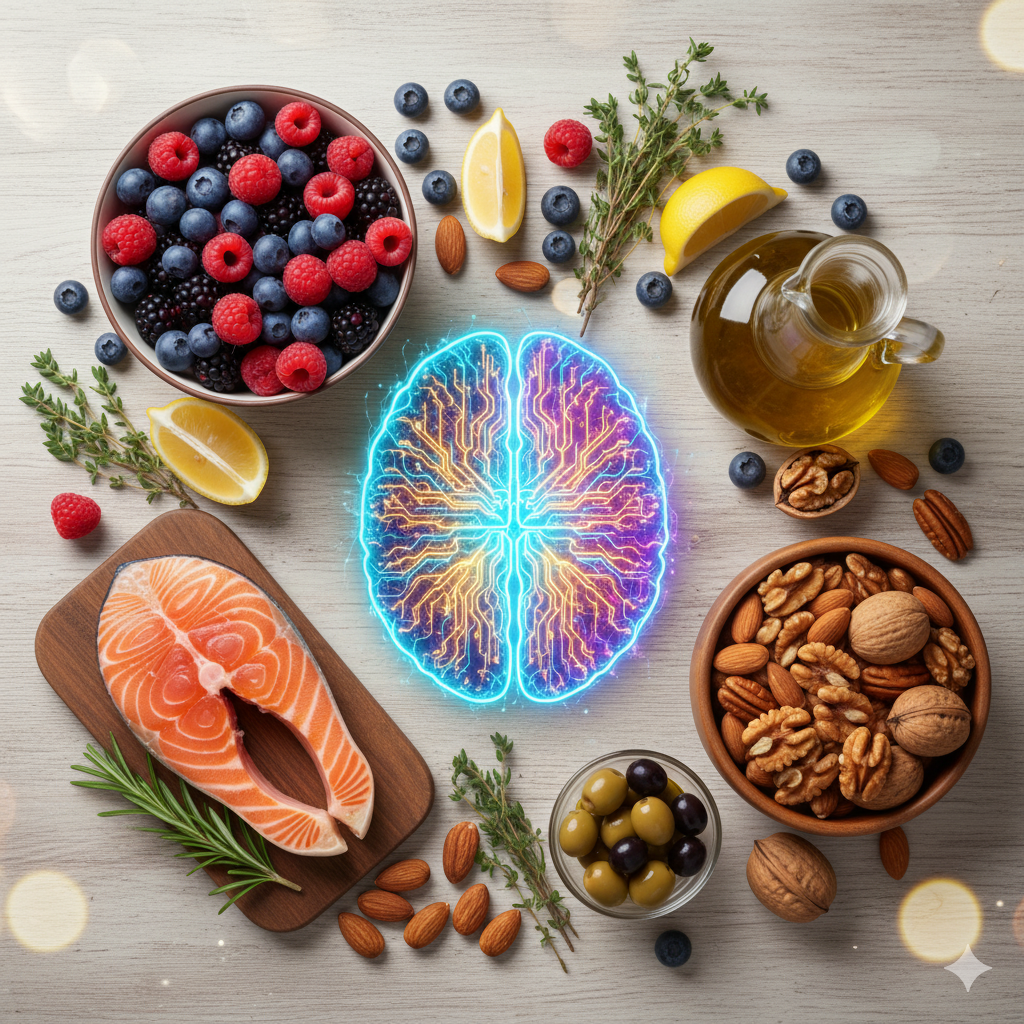
Neurologists know food is fuel, and what you eat shows up in how your brain performs. Diets rich in fruits, veggies, whole grains, fish, nuts, and olive oil—like the Mediterranean diet—are linked to lower rates of cognitive decline. Meanwhile, sugar binges and processed junk do the opposite, dulling memory and slowing thinking.
Pro tip: Think color on your plate. Berries, leafy greens, salmon, walnuts—basically, the brain’s dream team.
4. Stress Less (Or At Least, Manage It Better)
Neurologists aren’t immune to stress, but they know how destructive it is when unmanaged. Chronic stress floods the brain with cortisol, damaging neurons and shrinking the hippocampus (the memory HQ). Translation: stress makes you forget your keys and your sanity.
Pro tip: You don’t have to meditate for an hour on a mountain. Try five minutes of deep breathing, journaling, or even a mindful walk. Stress relief is personal—find what actually works for you and make it a habit.

Neurologists treat the brain like a muscle: the more you challenge it, the stronger it stays. Reading, learning new skills, or tackling complex hobbies literally rewires your brain and builds cognitive reserve. That’s your backup system when aging or stress tries to mess with your memory.
Pro tip: Swap endless doomscrolling for a language app, learn to play an instrument, or dive into that thick novel you’ve been ignoring. Your future self will thank you.

Here’s something neurologists emphasize that often gets overlooked: social interaction is brain fuel. Loneliness can hit the brain as hard as smoking or obesity. Talking, laughing, and engaging with others strengthens neural connections and keeps your mind nimble.
Pro tip: Texting counts, but face-to-face (or video calls) are gold. Plan coffee dates, join a book club, or call that friend you’ve been “meaning to” catch up with.

Final Word
You don’t need to overhaul your life with brain boot camps or supplements that cost as much as rent. The habits neurologists swear by—sleep, movement, food, stress management, learning, and connection—are doable, free (or close to it), and game-changing. Start with one habit, build from there, and let your brain thank you with sharper focus, stronger memory, and more resilience.
References:
Self: 6 Habits Neurologists Swear By for Brain Health
Harvard Health: The truth about brain health
Mayo Clinic: Healthy lifestyle and memory






Leave a comment