

Is Your Hustle Healthy or Hazardous?
In today’s hustle culture, being busy is often equated with success. We glorify the grind, praise the early risers, and admire those who seem to juggle a million things at once. But is this relentless pursuit of productivity actually healthy? Or is it a slippery slope to workaholism?
Let’s be clear: there’s a world of difference between being a high achiever and being a workaholic. While the former is driven, focused, and finds fulfillment in their work, the latter is consumed by it, sacrificing their well-being and relationships in the process.

The Workaholic Within
So, how do you know if you’re crossing the line from ambition to addiction? Here are some telltale signs:
- Prioritizing work over everything else: Consistently canceling plans, neglecting hobbies, and sacrificing sleep for work.
- Feeling guilty or restless when not working: Unable to relax or enjoy downtime without feeling unproductive.
- Experiencing physical symptoms of stress: Headaches, digestive issues, insomnia, and weakened immune system.
- Strained relationships: Feeling distant from friends and family due to constant work focus.
- Difficulty setting boundaries: Struggling to say no to additional work or overtime.
- Obsessive thoughts about work: Constantly thinking about work-related tasks, even when off the clock.
I’ve been there, caught in the whirlwind of constant productivity. There was a time when my worth was measured by how many hours I logged, not by the quality of my work or my overall happiness. I’d skip meals, neglect hobbies, and even sacrifice sleep to meet unrealistic deadlines. It was as if my identity was wrapped up in being perpetually busy.

One day, a friend looked at me with concern and asked, “When was the last time you did something just for you?” The question hit me like a ton of bricks. I realized I had become a slave to my work, and my health and relationships were paying the price. It was a wake-up call that forced me to reevaluate my priorities and make some serious changes.
The High Achiever Mindset
On the other hand, high achievers are driven by intrinsic motivation, set clear goals, and maintain a healthy work-life balance. They understand the importance of rest, rejuvenation, and personal growth.

Programs Manager
Preservation Hall Foundation
Key characteristics of high achievers include:
- Passion for their work: Enjoying their job and finding fulfillment in their career.
- Strong time management skills: Effectively balancing work and personal life.
- Healthy boundaries: Setting limits on work hours and availability.
- Focus on well-being: Prioritizing physical and mental health.
- Strong support system: Maintaining close relationships with friends and family.
Finding Balance
If you recognize yourself in the workaholic description, it’s time to make some changes. Here are some tips to help you regain control:
- Set boundaries: Establish clear work hours and stick to them.
- Learn to say no: It’s okay to decline additional responsibilities.
- Prioritize self-care: Make time for activities you enjoy, whether it’s exercise, hobbies, or spending time with loved ones.
- Seek support: Talk to a friend, family member, or therapist about your struggles.
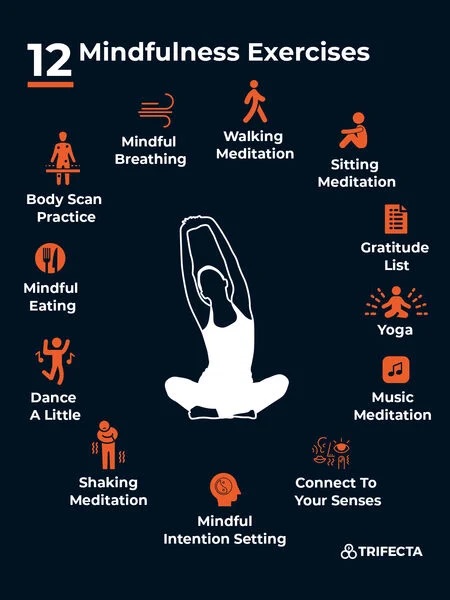
- Practice mindfulness: Incorporate meditation or deep breathing exercises into your routine to reduce stress.
Remember, success isn’t measured solely by productivity. It’s about finding fulfillment, happiness, and balance in all areas of your life.
While ambition is admirable, it’s essential to maintain a healthy perspective. By understanding the difference between a workaholic and a high achiever, you can take steps to create a fulfilling and sustainable career without sacrificing your well-being.

Remember, your worth as a person goes beyond your job title. Prioritize your mental and physical health, nurture your relationships, and enjoy the journey.

Creator: m-imagephotography | Credit: Getty Images
Copyright: m-imagephotography
What are your thoughts on workaholism? Have you struggled with finding balance? Share your experiences in the comments below.





 Fierce Millenial
Leave a reply to Work Hard, Rest Harder: The PTO Strategy That Will Change Your Life – Fierce Millenial Cancel reply