

Beyond the stethoscope, discover the simple, everyday routines that gastroenterologists swear by for optimal gut health.
Let’s face it, your gut is a pretty important organ. It’s responsible for breaking down food, absorbing nutrients, and housing trillions of bacteria that play a crucial role in your overall health. But with so much information out there about gut health, it can be hard to know what to believe.
That’s where the experts come in. Gastroenterologists, or GI docs, spend their days diagnosing and treating digestive disorders. They’re also intimately familiar with the best practices for maintaining a healthy gut. So, what do these experts do to keep their own digestive systems in tip-top shape?
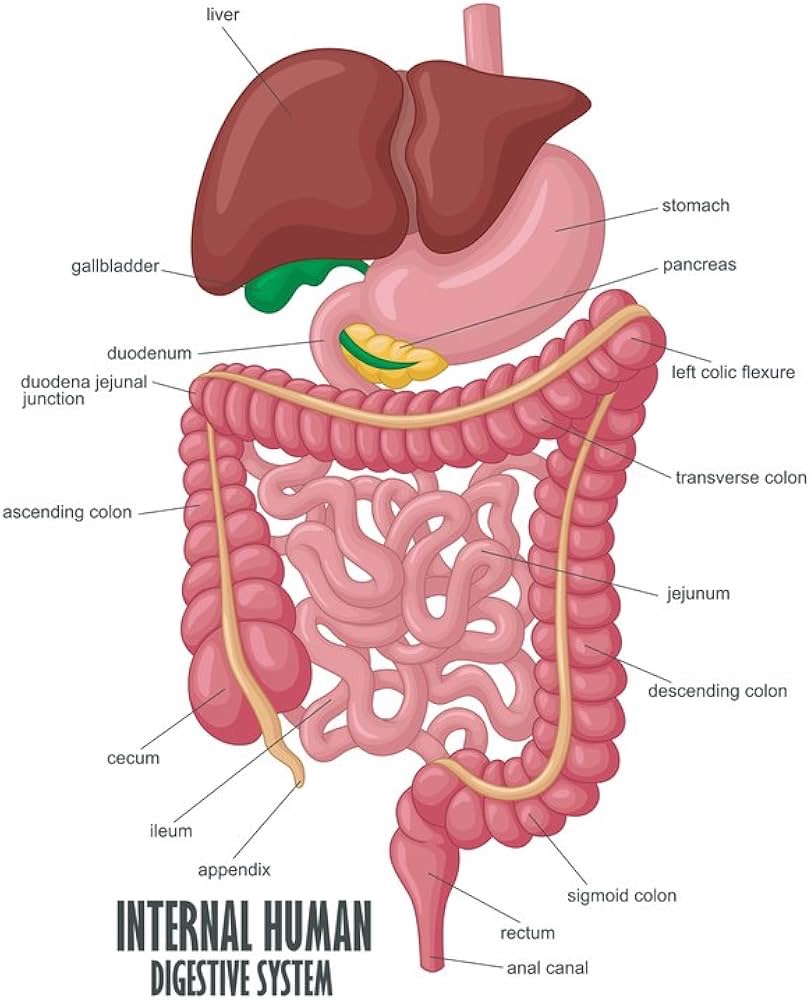
In this article, we’ll share 5 simple, everyday habits that GI docs swear by for better gut health. These habits are easy to incorporate into your routine and can make a significant difference in how you feel.
1. They Eat a Fiber-Rich Diet
Fiber is a type of carbohydrate that your body can’t digest. It passes through your digestive system undigested, where it acts as a prebiotic, feeding the beneficial bacteria in your gut. A diet rich in fiber can help prevent constipation, promote regularity, and support a healthy gut microbiome.

GI docs recommend getting 25-30 grams of fiber per day. Good sources of fiber include:
- Whole grains, such as brown rice, quinoa, and whole-wheat bread
- Fruits, such as apples, berries, and bananas
- Vegetables, such as broccoli, carrots, and leafy greens
- Legumes, such as beans, lentils, and chickpeas
- Nuts and seeds
2. They Stay Hydrated
Hydration is essential for overall health, and it’s also important for your gut. Drinking plenty of water helps to soften stools, prevent constipation, and promote regular bowel movements. Dehydration can lead to constipation and other digestive problems.
Aim to drink at least 8 glasses of water per day, or more if you’re active or live in a hot climate.
3. They Limit Processed Foods
Processed foods are often high in unhealthy fats, added sugars, and artificial ingredients. These foods can disrupt your gut microbiome and contribute to digestive problems.
Instead, focus on eating whole, unprocessed foods that are rich in nutrients. This includes fruits, vegetables, whole grains, lean protein, and healthy fats.

4. They Manage Stress
Stress can have a significant impact on your gut health. When you’re stressed, your body releases hormones that can disrupt your digestive system. This can lead to symptoms like diarrhea, constipation, and abdominal pain.
There are many ways to manage stress, including:
5. They Take Probiotics
Probiotics are live bacteria that can be beneficial for your gut health. They can help to restore balance to your gut microbiome and improve digestion.
There are many different types of probiotics available, so it’s important to choose a product that is right for you. You can also get probiotics from fermented foods, such as yogurt, kefir, and sauerkraut.
By incorporating these 5 simple habits into your daily routine, you can improve your gut health and overall well-being. Remember, it’s important to listen to your body and make adjustments as needed. If you’re experiencing persistent digestive problems, it’s a good idea to see a healthcare provider.





 Fierce Millenial
Leave a reply to Gut Feeling: Your Inner Health, Your Outer Glow – Fierce Millenial Cancel reply