

The Experience Economy is thriving, but it’s leaving many of us with a serious case of post-adventure blues.
Let’s be real for a minute. Raise your hand if you’ve ever been on the most lit vacation or attended the dopest concert of your life—just to come home and feel like, “Is that it?” You’ve posted the photos, you’ve shared the stories, and now you’re left with…a bill. Maybe it’s the credit card debt, maybe it’s the emotional void, but something’s not adding up.
Welcome to the Experience Economy, where spending money isn’t just about acquiring things—it’s about chasing moments, adventures, and stories. But here’s the kicker: while the experience economy is booming, so is the wave of regret many of us are riding in its wake.

What Is the Experience Economy?
First things first, let’s break this down. The experience economy is a relatively new concept that moves away from buying material goods and focuses on spending cash to create memorable experiences. Think weekend getaways, yoga retreats, festivals, and that luxury concert package you couldn’t resist (I see you, Beyoncé fans).
In the past, we spent money to accumulate things: houses, cars, jewelry, clothes. Now? We’re collecting experiences. Millennials and Gen X are at the forefront of this shift. We value living life to the fullest, soaking in all the vibes, and capturing every moment on the ’gram.

But is that FOMO-driven experience life really filling us up? Or is it draining us—financially, emotionally, and mentally?
The Boom: Why We’re All Chasing the High
It’s no secret that our generation has become addicted to experiences. Blame social media or the “life is short” mindset, but we’re convinced that life is about doing the most, seeing the most, and having the most enviable stories to tell. And let’s be honest, it’s not entirely a bad thing.

Experiences enrich our lives in ways material things just can’t. They teach us more about ourselves, offer us new perspectives, and give us a sense of purpose—at least in the moment. Research even shows that people are generally happier when they invest in experiences rather than material possessions. That post-adventure glow? Yeah, that’s science-backed.
But there’s a downside.
The Cost: Is the Experience Really Worth It?
Here’s where we get to the messy part. Experiences are fleeting, and when the rush is over, many of us are left feeling…empty. Why? Because the high doesn’t last as long as the payment does. And let’s talk about those payments.
We are spending big on experiences, and sometimes we don’t even have the money for it. According to recent studies, nearly half of millennials are willing to go into debt for the sake of a memorable experience. Think about that. We’re putting ourselves at financial risk to buy moments that last as long as a firework in the sky.
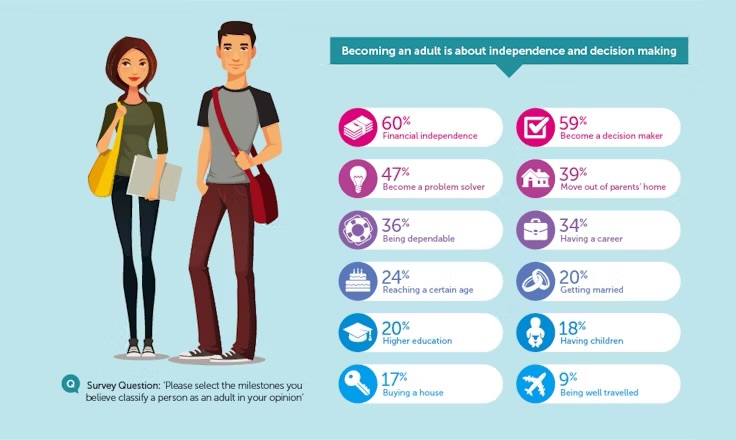
Here’s where the regret comes in. After the concert, the vacation, or the foodie tour, we’re left with bills and the cold, hard reality that those fleeting moments don’t pay dividends. Sure, you’ve got the photos and maybe a souvenir, but are you truly fulfilled? Or did you just burn through a chunk of your savings for a few moments of Instagram glory?
The Emotional Hangover
Beyond the financial hit, there’s another type of cost: the emotional hangover. Have you ever come back from a trip or a once-in-a-lifetime event and felt…down? Like something was missing? You were on top of the world, but now you’re just back to the daily grind, and that thrill feels so far away.

That’s the emotional aftermath of the experience economy. We chase high after high, but the come-down is real. Psychologists call this “hedonic adaptation”—the idea that after an amazing experience, we return to our baseline level of happiness. The high wears off faster than we’d like to admit, and we’re left searching for the next thrill.
And let’s not forget the pressure to keep up. It’s not just about living your best life—it’s about showing everyone that you are. Social media keeps the cycle going. You post, you share, you watch the likes roll in. Then? You see someone else doing something bigger and better, and suddenly your amazing weekend looks like a warm-up.

So, What’s the Fix?
Don’t get me wrong, I’m not saying that you should stop traveling or swear off festivals forever. Hell, no. Life is for living! But maybe we need to start being a little more intentional about how we spend our time—and our money.
Here are a few ways to strike that balance between chasing experiences and managing your post-adventure blues:
1. Budget for your joy. There’s no reason to go broke chasing fun. If you know you love traveling or going to concerts, set aside some “experience money” every month. That way, you can enjoy the moment without stressing about the financial hangover.

2. Reflect before you swipe. Ask yourself: am I doing this because I really want to, or because I feel like I should? Is this going to bring lasting joy, or is it just something to post about?
3. Find fulfillment outside the big moments. Don’t wait for a vacation or a special event to feel alive. Find little ways to bring excitement into your daily life—whether that’s a solo date night or taking up a new hobby.

4. Unplug and be present. Next time you’re in the middle of an amazing experience, take a beat and soak it in without reaching for your phone. Those photos will be nice, but the memory will be even better.
5. Consider the long game. Remember, experiences are supposed to enrich your life, not empty your wallet or leave you feeling hollow. If you find yourself constantly regretting your choices, it might be time to rethink what you’re chasing.
Wrapping It Up
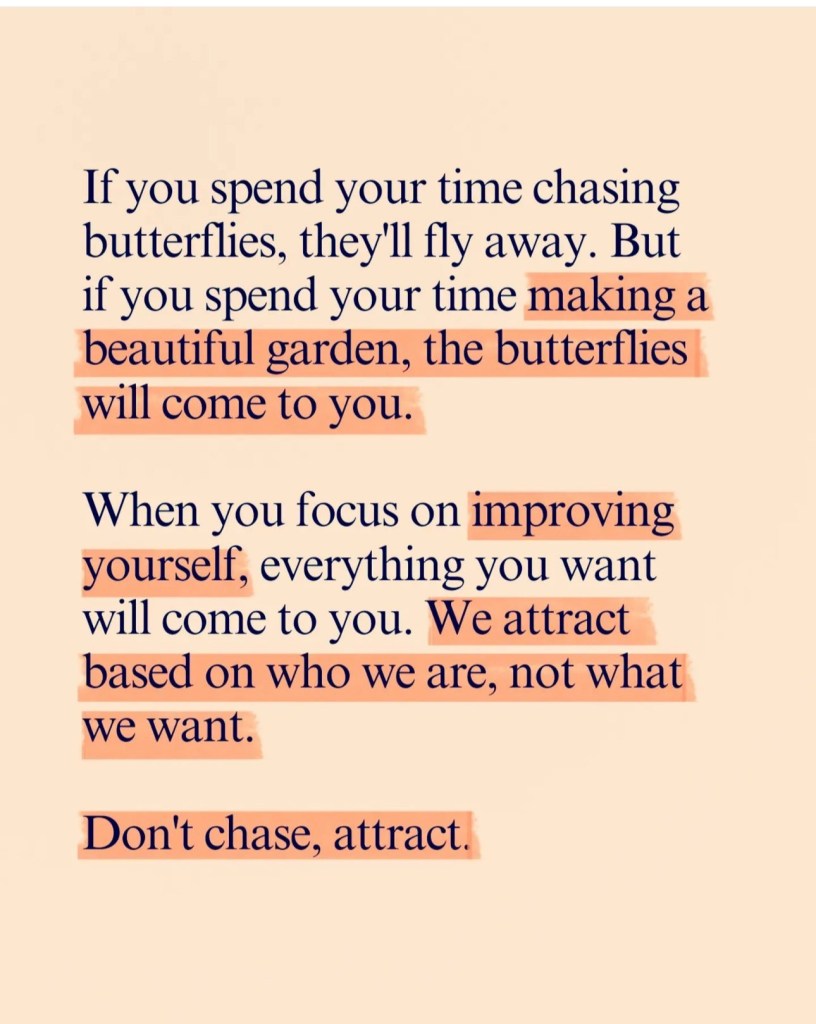
The experience economy isn’t going anywhere, and truthfully, it doesn’t need to. But if we want to avoid the creeping regret that comes after the rush, we need to get smart about how we approach it. Living for the moment is great—but don’t let that moment live rent-free in your head and your wallet long after it’s gone.
It’s time to start experiencing with intention, chasing moments that truly matter, and letting go of the idea that our worth is tied to our ability to “do it all.” Because sis, sometimes the best experience is knowing when to say no.




 Fierce Millenial
Leave a reply to Huawei’s Power Move: The Tri-Foldable Phone That’s Shaking Up the Game – Fierce Millenial Cancel reply