Beyond the Hot Flashes: Exploring Real Alternatives to Hormone Replacement Therapy
Ditching the HRT Hype—What You Really Need to Know About Natural and Medical Alternatives Beyond the Hot Flashes: Exploring Real Alternatives to Hormone Replacement Therapy Menopause—everyone knows it’s coming, but when it finally hits, it can feel like your body’s taken over by a stranger. Hot flashes, night sweats, mood swings—yeah, that’s the trifecta of…
Ditching the HRT Hype—What You Really Need to Know About Natural and Medical Alternatives
Beyond the Hot Flashes: Exploring Real Alternatives to Hormone Replacement Therapy
Menopause—everyone knows it’s coming, but when it finally hits, it can feel like your body’s taken over by a stranger. Hot flashes, night sweats, mood swings—yeah, that’s the trifecta of fun. For decades, Hormone Replacement Therapy (HRT) has been marketed as the go-to fix for women looking to regain some sense of normalcy. But not every woman is trying to go down that road, and honestly, with the risks associated with HRT, you can’t blame them.
With concerns about potential side effects like increased chances of breast cancer, blood clots, and heart disease, more women are ditching the idea of synthetic hormones and looking for alternatives. If you’re nodding along and wondering what else is out there, keep reading. We’re about to break down the most legit medical and natural options, so you can make the best choice for you.
Understanding the HRT Hype
Before we dive into what else is on the table, let’s do a quick breakdown of HRT for those who are new to the party. HRT is basically the process of supplementing your body with synthetic estrogen and progesterone to replace the hormones your body naturally loses during menopause. The idea? To ease those common symptoms like hot flashes, vaginal dryness, and mood swings. Sounds like a dream, right? Until you take a closer look at the fine print: increased risk of certain cancers, blood clots, strokes, and even heart disease. Yeah, not so dreamy.
While HRT has helped some women, it’s definitely not a one-size-fits-all solution. Plus, as more research rolls in, the risks become harder to ignore. So, let’s explore the other side of the coin—the medical and natural alternatives that might be a better fit for you.
Medical Alternatives That Won’t Scare You
Maybe HRT doesn’t feel right, but you’re not trying to go full-on nature goddess just yet. You’re looking for something that’s still rooted in medicine but without the higher risks. No worries—there are several medical alternatives to consider that offer symptom relief without all the drama.
Non-Hormonal Medications
You’ve probably heard about antidepressants being used for more than just, well, depression. Turns out, some low-dose antidepressants—like SSRIs—can help alleviate hot flashes. Crazy, right? But true! These meds alter your brain’s chemistry just enough to reduce the severity of hot flashes and night sweats.
Another option? Vaginal moisturizers and lubricants to help combat that annoying dryness that no one warns you about until it’s too late. While these won’t change your hormone levels, they can make a big difference in day-to-day comfort.
Low-Dose HRT
If the idea of full-dose HRT freaks you out but you’re still interested in the benefits, talk to your doctor about a low-dose version. It offers many of the same benefits as traditional HRT but with a potentially reduced risk profile. You get relief, but with less synthetic hormone floating around your body.
Bioidentical Hormones
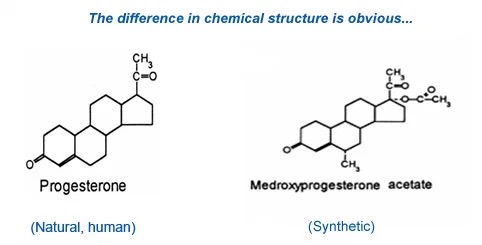
Now, bioidentical hormones have been gaining traction as a “safer” alternative to traditional HRT, but let’s clear up some misconceptions. Bioidenticals are hormones that are chemically identical to the ones your body produces naturally. The jury’s still out on whether they’re actually safer than synthetic hormones, but some women prefer them because they feel more natural. Like any treatment, this approach requires a chat with your healthcare provider to weigh your individual risk factors.
Natural Remedies: Back to Basics
If you’re more interested in natural solutions that don’t involve popping a pill, you’ve got options—just know that “natural” doesn’t always mean risk-free. Some natural remedies may not be backed by tons of science, but they’ve been used for centuries to help ease menopausal symptoms. Let’s talk about the most popular ones.
Herbal Remedies
Nature’s got you covered if you’re open to exploring herbal remedies. Some of the most well-known herbs include:
Black Cohosh: This herb has been a staple in menopause treatments for ages, particularly for easing hot flashes. Some studies suggest it may be effective, but more research is needed to fully support its benefits.
Soy Isoflavones: If you’re into plant-based solutions, soy isoflavones can mimic estrogen in the body and may help with mild menopause symptoms. Be careful though—if you’ve got a history of breast cancer, soy products may not be your best bet.
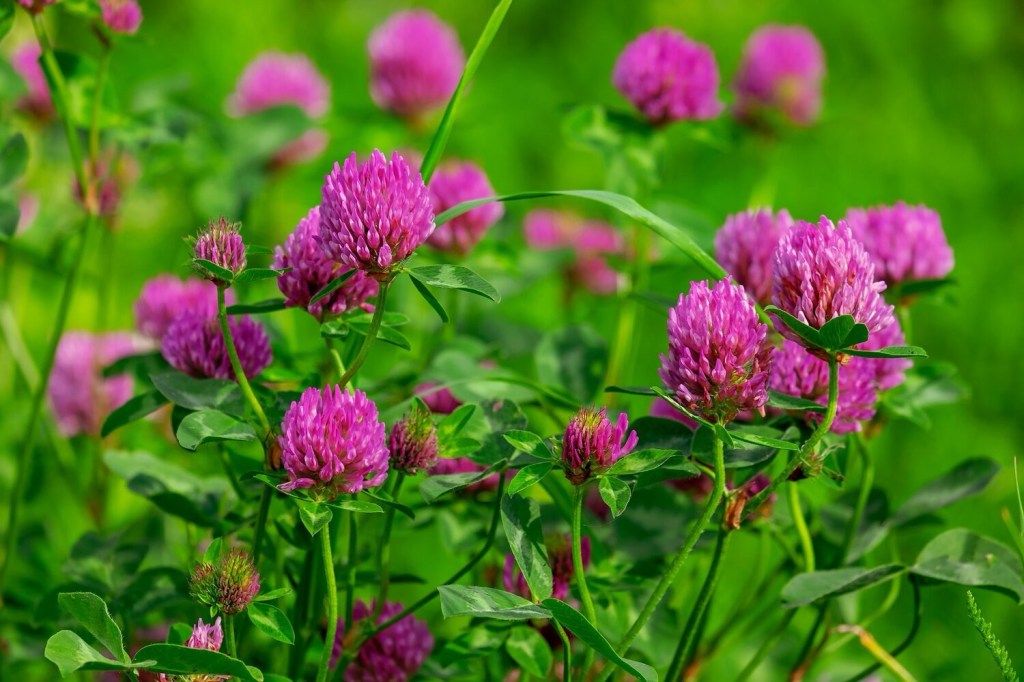
Red Clover: Another contender for easing those hot flashes, red clover also has plant estrogens that may help balance things out. But again, the scientific verdict is still mixed
Red Clover, Trifolium pratense
Lifestyle Changes
Before you roll your eyes, hear me out. A solid lifestyle overhaul can work wonders for managing menopause symptoms. Regular exercise isn’t just about keeping the weight off—it can reduce anxiety, improve sleep, and even lessen the intensity of hot flashes. Add a balanced diet, meditation, and stress-relief techniques, and you’re looking at a solid foundation for feeling better without the need for medication.
Complementary Therapies
Now, if you’re into a more holistic approach, consider giving therapies like acupuncture or yoga a shot. Acupuncture has been shown to help with everything from mood swings to hot flashes, while yoga and meditation can help you stay centered through all the chaos. These options may not eliminate your symptoms, but they can definitely reduce the intensity.
What the Doctors Say: Expert Perspectives
It’s one thing to read about alternatives; it’s another to get expert opinions. We spoke to two doctors to get their take on HRT alternatives—one from a traditional medical background and the other from naturopathy.
“Natural remedies are intriguing, but they’re not without risks. It’s easy to think that because something’s natural, it’s safe. But herbal supplements can interact with medications you’re already taking. Always talk to your healthcare provider before starting anything new.”
“Menopause isn’t a one-size-fits-all experience. While some women thrive on HRT, others find relief through natural alternatives or a mix of both. A customized approach, where we balance natural remedies with conventional medicine, often works best.”
The Bottom Line: Do What Works for You
At the end of the day, managing menopause is about doing what’s right for you. HRT isn’t the enemy, but it’s not the only option. You’ve got choices—whether that’s going the medical route with low-dose options or exploring natural remedies that support your body in more holistic ways. The key is finding a treatment that matches your lifestyle, health needs, and comfort zone. Talk to your doctor, do your research, and trust yourself to make the best decision for your body. You’ve got this.
[…] Explore alternatives. Non-alcoholic spirits, zero-proof cocktails, and mocktails are finally getting their shine — and they don’t come with a side of cancer. […]
[…] let’s get real about something often whispered in fear but rarely tackled head-on: breast cancer. It’s a tough topic, no doubt. But knowledge is power, and today, we’re arming you with some […]
[…] Hot flashes may feel random, but they’re often triggered by what’s on your plate. Studies suggest that a diet rich in plant-based foods and low in processed junk can make all the difference. The secret lies in phytoestrogens, water-rich foods, and fiber-packed meals. […]
[…] Mood Boosts on Tap: Pets are little endorphin machines! Playing with them, petting them, even just watching them chase their tails releases feel-good chemicals like dopamine and serotonin, which help combat anxiety and depression. […]
[…] seriously cut down your risk for all those health issues that come knocking later in life (think heart disease, diabetes, cancer – the big ones). A plant-based diet doesn’t mean giving up everything you […]











 Fierce Millenial
Leave a reply to Poppin’ Off at 30,000 Feet: Why Your Ears Snap, Crackle, and Pop on a Plane – Fierce Millenial Cancel reply