

Breaking Down Relationship Drama Without the “Why”
The One Question You Should Never Ask in an Argument
Arguments can get messy – it’s a fact. Whether you’re in a relationship, deep friendship, or navigating family dynamics, emotions can flare, voices rise, and suddenly, you’re questioning how things spiraled out of control. Here’s the thing: there’s one tiny word that can throw gas on any disagreement. It’s the dreaded “why.”
Let’s break down how a single word can escalate drama faster than your favorite reality TV show and what to say instead to keep things from spiraling.
Why “Why” Feels So Confrontational
On a good day, asking “why” is harmless – you’re genuinely interested in someone’s perspective or curious about their motives. But throw “why” into a tense conversation, and it morphs into a pressure point that few people can handle without getting defensive. Here’s why:

Picture this: you’re already irritated, your partner says or does something that rubs you wrong, and your first instinct is to say, “Why would you do that?” Cue the defensive walls. When you ask “why” in the heat of the moment, it feels accusatory. Even if your intentions are pure, the other person can interpret it as judgment or criticism, and suddenly, they’re more focused on defending themselves than resolving anything.
2. It Creates an Endless Back-and-Forth
“Why” questions can lead to a loop of explanations that rarely satisfy anyone involved. You ask “why,” they try to explain, and instead of feeling clarity, you might find yourself thinking of more reasons to be annoyed. It’s a vicious cycle, making the argument stretch far longer than necessary and getting you no closer to real understanding.
3. It Can Stir Up Old Resentments
Asking “why” in an argument can resurface emotions tied to previous conflicts. Suppose your partner forgot an anniversary dinner reservation. When you ask, “Why didn’t you remember?” it taps into past hurts, like every time they’ve forgotten plans or shown up late. Before you know it, you’re rehashing grievances from last year instead of solving what’s in front of you.

So What Should You Say Instead?
Thankfully, there are some tried-and-true alternatives that work wonders for defusing tension, even in heated moments. Here’s how to keep your cool and foster a healthier, more constructive conversation.
This might sound basic, but when we’re upset, truly listening can go out the window. Pause and give the other person your full attention. Don’t interrupt, don’t roll your eyes, and definitely don’t start mentally scripting your rebuttal. When you genuinely listen, it shifts the focus from “winning” the argument to understanding each other. Say something like, “I hear you, and I’d love to understand more about where you’re coming from.”
This is one of the golden rules in conflict resolution. When you frame your concerns from your own experience, it reduces defensiveness. For instance, rather than, “You always make me feel ignored,” try, “I feel hurt when my feelings aren’t acknowledged.” “I” statements help ground the conversation in your experience rather than placing blame, keeping it constructive and less accusatory.
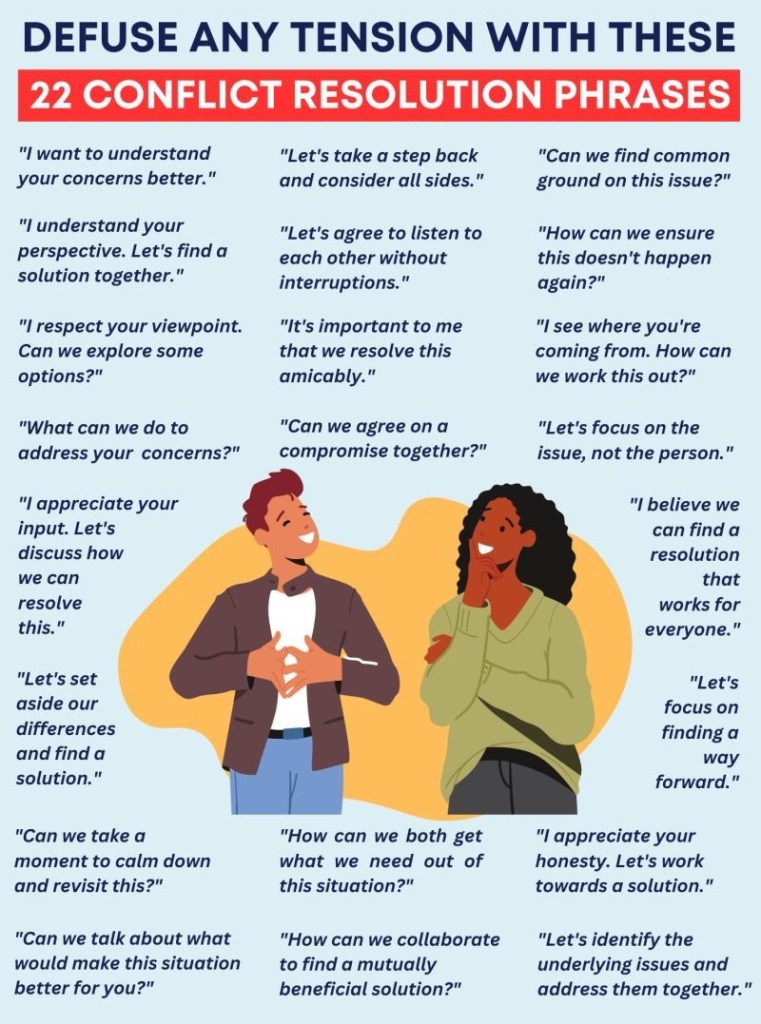
Instead of “why,” try phrases that invite your partner to share more without feeling attacked. Say things like, “Can you tell me what was going on in that moment?” or “What were you feeling when that happened?” These questions sound more like you’re seeking understanding than pushing for justification.
4. Take a Strategic Timeout
Ever felt like walking away mid-argument? Good news: that can actually be a healthy choice. Give yourself space to calm down and collect your thoughts. Stepping away from a conversation before it gets too heated doesn’t mean you’re avoiding it. In fact, it allows you to come back with a clear mind and speak with intention instead of in frustration. Tell your partner, “I need a little time to think about this; let’s revisit it in a bit.”
5. Focus on Finding Common Ground
Arguments don’t always have a “winner,” and if you approach disagreements with the idea that one of you has to be right, you’re going to walk away unsatisfied. Instead, ask yourself, “What’s one thing we both agree on here?” or “What do we both want to see come from this?” It helps reframe the argument as teamwork rather than a battle.
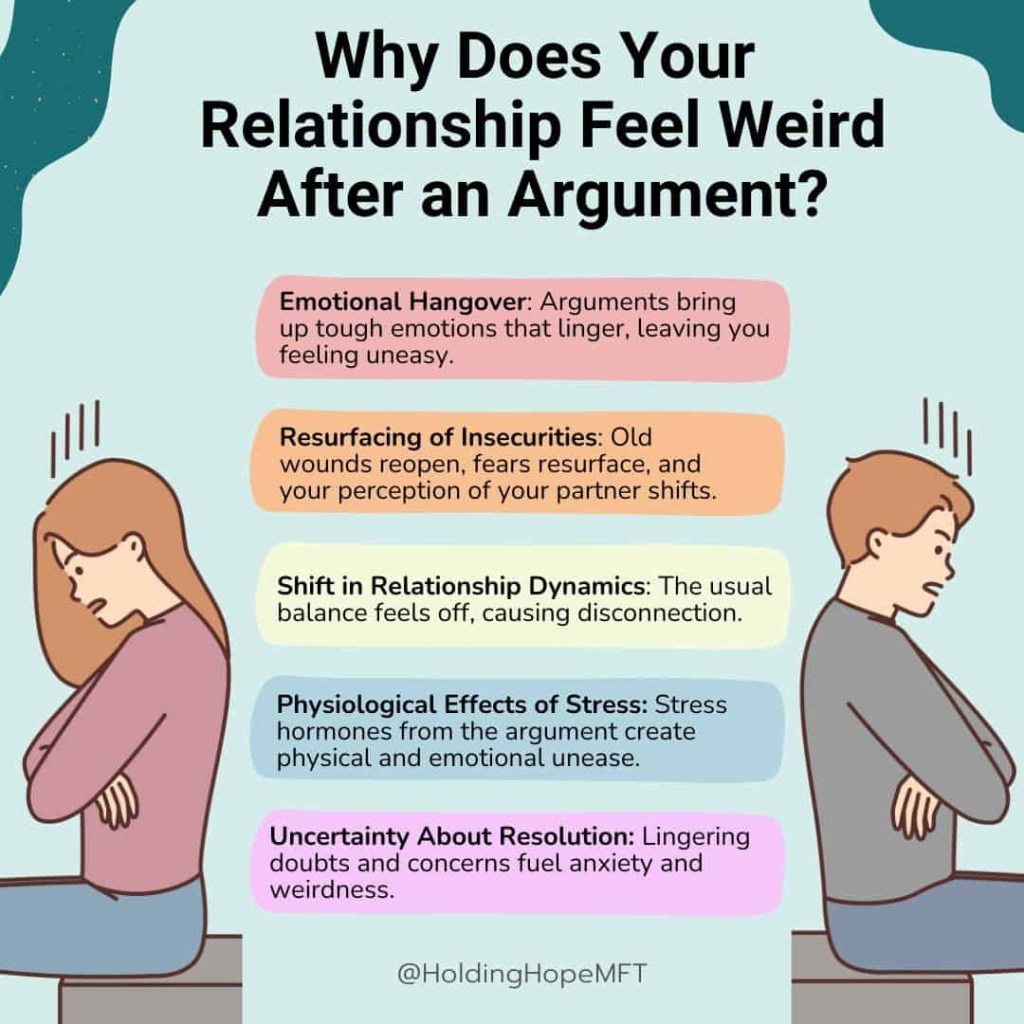
Empathy: The Real MVP in Conflict Resolution
When arguments get heated, empathy can make all the difference. But it’s hard to practice empathy when you feel like you’re on opposing teams. Here’s where remembering each other’s humanity comes in. Empathy requires putting aside the need to be right and trying to see the issue from their perspective.
Imagine how they might feel if they’re in the hot seat, explain how their actions impacted you, but remember that their feelings are just as real as yours. Practicing empathy in tense moments can seem like an impossible ask, but it’s one of the biggest game-changers for making relationships last.
Avoid the Why – Strengthen Your Bonds
Every relationship will hit bumps, and arguments will happen, but learning how to navigate them without fueling the fire is where growth comes. Imagine if every conflict turned into an opportunity to understand each other better, strengthen your connection, and keep the peace in the future. All you have to do is choose your words wisely – and let “why” sit this one out.







Leave a Reply