

Harnessing the Power of Your Inner Parts
Let’s be real: life can be overwhelming. Stress, responsibilities, emotions—sometimes, it feels like there’s a full-on storm raging inside. If you’ve ever been hit by a tidal wave of anxiety and couldn’t figure out why, this one’s for you. What if I told you that the key to managing stress isn’t about pushing your feelings away but actually listening to them?
Welcome to the world of Internal Family Systems Therapy, or IFS. This approach is all about understanding the many “parts” of yourself. Think of your mind as a cast of characters, each with its own quirks and goals. Learning to identify and communicate with these parts can be a game-changer, turning stress into self-awareness and compassion.
Who’s Living Rent-Free in Your Mind? Meet Your Inner Parts
In IFS, we recognize that our minds aren’t monolithic. We each have various “parts” or subpersonalities—a protective side, an inner critic, maybe a playful child or a responsible parent. Each part holds a different perspective and role, working together to shape who we are.

Multiple collage of diverse people expressing different emotions, montage
Sometimes these parts clash, and that’s where stress comes in. Imagine your inner critic and inner child battling it out, each pulling you in a different direction. When they can’t communicate, or when one dominates, we end up feeling anxious, conflicted, or just plain exhausted.
But the beauty of IFS is that it doesn’t label these parts as “good” or “bad.” They’re all doing their best to help you. They just need a little guidance—and that’s where inner dialogue comes in.
Why Should You Even Bother Talking to Yourself?
Engaging in a dialogue with your inner parts can help you:
• Recognize Hidden Emotions: Sometimes we don’t even realize what’s bothering us. By acknowledging each part’s feelings, we can uncover the emotions driving our stress.

• Discover Your Real Needs: Your parts represent different needs and desires. Getting to know them can reveal what you need to feel balanced and fulfilled.
• Challenge Negative Thoughts: That harsh inner critic? It’s just one part of you, not the whole story. By hearing it out and setting boundaries, you can challenge those negative beliefs.
• Develop Self-Compassion: When you understand your inner conflicts, it’s easier to be kind to yourself, even during tough times.
How to Hold a Meeting with Your Inner Parts
Ready to try it out? Here’s a step-by-step guide to starting an inner dialogue:
1. Create a Quiet Space: Find somewhere you can be alone and feel comfortable. Sit down, relax, and close your eyes.
2. Notice What’s Going On Inside: Take a few moments to pay attention to your body and mind. What emotions are surfacing? Anxiety, sadness, anger?

3. Identify the Part That’s Speaking: Ask yourself, “Which part of me feels this way?” It could be an anxious part, an inner child, or a perfectionist. Recognizing it is the first step to understanding it.
4. Speak to the Part: Using “I” statements, acknowledge its feelings. You might say, “I see that you’re feeling scared. Can you tell me more about that?”
5. Validate the Part’s Emotions: Allow it to feel without judgment. Say something like, “It’s okay to feel angry. That situation was really unfair.”

6. Show Compassion: Speak gently, offering the understanding you’d give a friend. Try, “I understand you’re trying to protect me, but let’s work on this together.”
7. Set Boundaries When Needed: If a part is overly critical or demanding, set limits. Say, “I appreciate your concern, but I need a break from this pressure.”
Remember, this process can feel strange at first. We’re not used to talking to our inner selves like this, but it’s an incredible tool for understanding what’s really going on. Over time, this practice becomes more intuitive.
Common Inner Parts You Might Meet
• The Inner Critic: This part may feel harsh, but it often believes it’s “helping” you improve or avoid failure. By listening, you can soften its approach and remind it of your strengths.

• The Inner Child: Often associated with vulnerability, this part represents raw emotions and past hurts. Giving it space can help release buried feelings and bring healing.
• The Protector: This part shields you from perceived harm, sometimes by numbing emotions or avoiding certain situations. Respecting its intention while gently challenging its limits can promote growth.
The Benefits of Inner Dialogue: A New Approach to Stress Management
Once you’ve gotten to know your inner parts, you’ll start noticing how each one influences your stress levels. For example, when your inner critic takes the wheel, you might feel overwhelmed by self-doubt or pressure. By tuning into these signals and addressing them directly, you can keep stress in check.
Talking to your parts won’t eliminate stress overnight, but it will shift your relationship with it. Rather than feeling at the mercy of your emotions, you’ll gain a sense of control and compassion. This practice can also improve your relationships with others by helping you understand and regulate your own emotional responses.
Want to Dive Deeper?
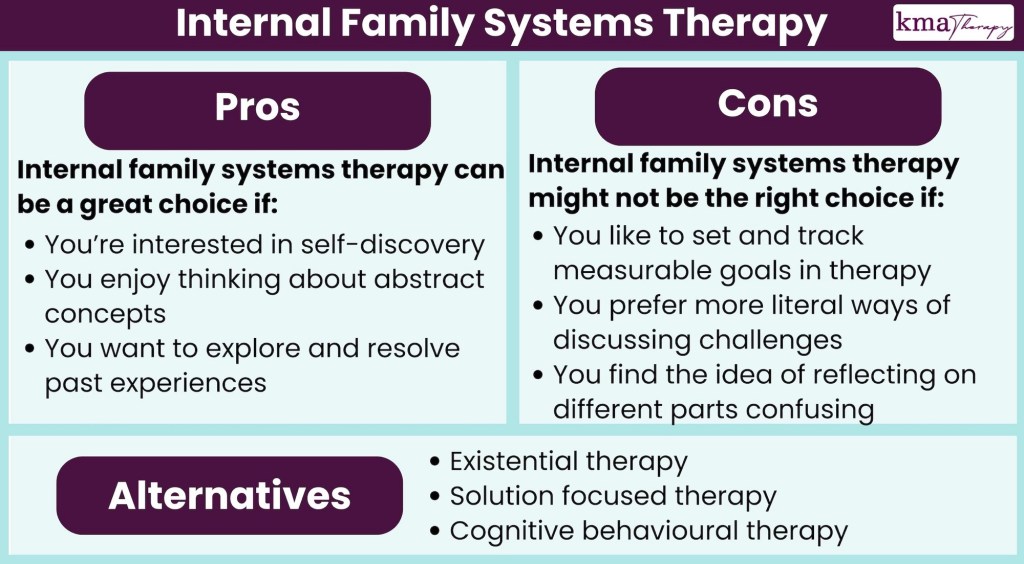
If you’re intrigued by IFS, there are resources to explore this approach more deeply. A fantastic book to start with is No Bad Parts by Dr. Richard Schwartz, the founder of Internal Family Systems Therapy. Additionally, many therapists are trained in IFS and can guide you in incorporating this practice into your life.
Creator: Emily
Embrace the Power of Your Inner World
Stress may be a constant in modern life, but it doesn’t have to define you. The next time you feel overwhelmed, try talking to your inner parts. Instead of pushing your feelings aside, sit with them, listen, and engage in a compassionate dialogue. You may just find the peace and balance you’ve been searching for.





 Fierce Millenial
Leave a reply to Breaking the Silence: Conquering Toxic Communication Habits – Fierce Millenial Cancel reply