
Unleash Your Inner Peace and Power
Are you tired of the constant tension in your conversations? Does the thought of certain interactions make your stomach drop? If you’re feeling mentally drained by toxic communication habits—whether from yourself or others—it’s time to make a change and take control of your emotional well-being.
Toxic communication patterns can sabotage relationships, stir up endless stress, and even take a toll on our physical health. But here’s the good news: breaking free from these patterns is absolutely possible. It takes self-awareness, intentionality, and, sometimes, a little humor to shake things up and reclaim positive communication.
Understanding Toxic Communication
Let’s start with a bit of truth-telling. Toxic communication isn’t just “bad vibes” in a conversation; it’s a style of interaction that leads to emotional harm. Here are a few signs that might be popping up in your life:

Copyright: Prostockstudio | Dreamstime.com
• Passive-Aggression: Throwing out backhanded comments or subtle digs to avoid saying what’s really on your mind.
• Blame Games: Pointing fingers instead of discussing solutions.
• Harsh Criticism: Constantly calling out the other person’s flaws or using sarcasm as a weapon.
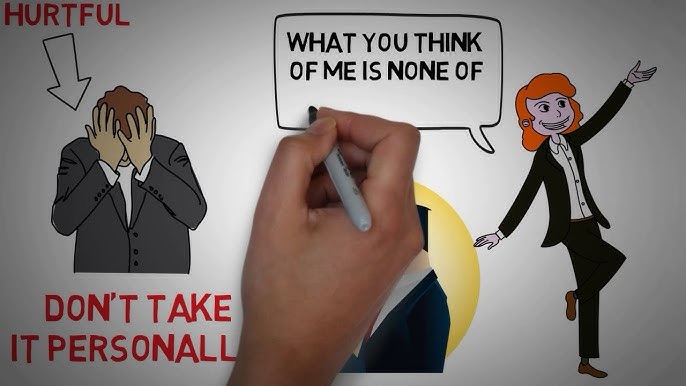
• Gaslighting: Manipulating someone into questioning their reality.
• Stonewalling: Giving the silent treatment or emotionally checking out mid-conversation.
Sound familiar? We’ve all been guilty of these at some point. The challenge (and opportunity) lies in learning to identify these behaviors and stepping out of the cycle.
Why Do We Engage in Toxic Communication?
Toxic communication often stems from old emotional habits or defense mechanisms that kick in automatically. Here’s a quick rundown of a few common triggers:
• Fear of Vulnerability: It’s easier to hide behind sarcasm or criticism than to express genuine feelings.

• Unresolved Anger: Holding onto past hurt can make you explode at the slightest provocation.
• Low Self-Esteem: If you struggle with self-worth, you might project that onto others or struggle to assert yourself healthily.
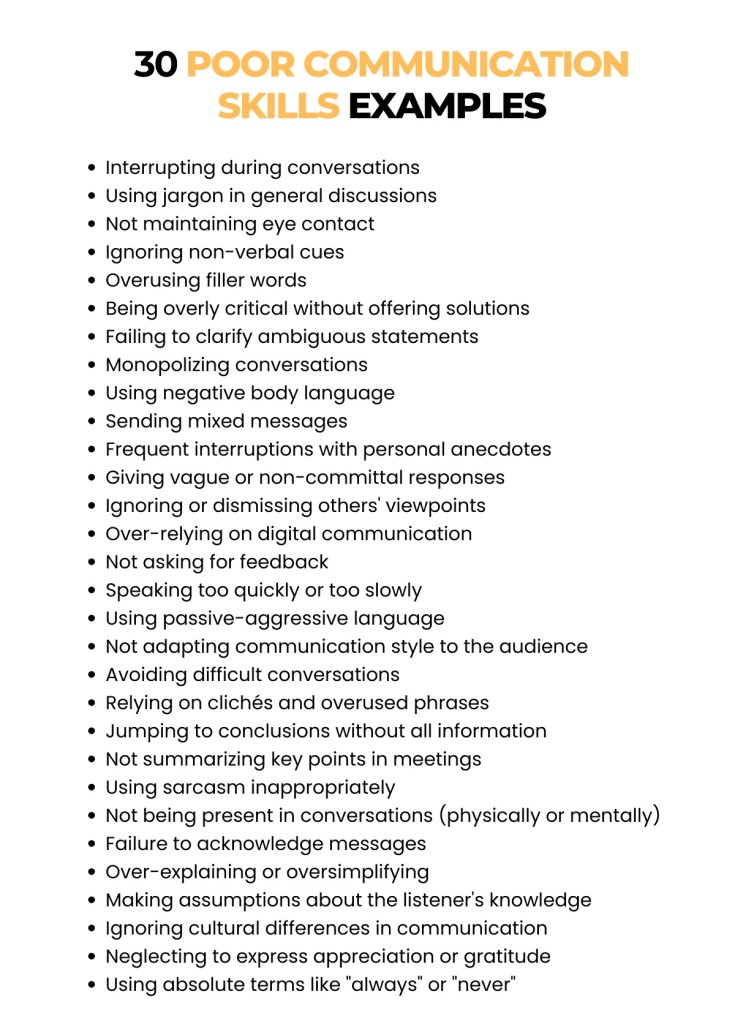
• Poor Communication Skills: If nobody ever taught us how to express our needs effectively, we’re bound to have hiccups.
Breaking Free: Nine Practical Tips for Healthier Communication
Breaking free from toxic communication patterns is a journey. Here are nine strategies to help you along the way:
1. Identify Your Toxic Patterns
Take a step back and recognize the moments when your communication goes south. Journaling after difficult conversations can help you spot patterns, thoughts, and triggers.
No more planning your counterpoints while the other person is talking. Focus entirely on what they’re saying. Respond with empathy and understanding instead of jumping straight to “fix-it” mode.
Replace phrases like “You always…” with “I feel…” statements. This shifts the focus from blame to how you genuinely feel, creating room for understanding. For example, “I feel overwhelmed when there are so many last-minute changes.”
Boundaries are a non-negotiable part of healthy communication. Whether it’s limiting the time spent with certain people or refusing to engage in heated debates, let others know what you’re okay with—and stick to it.
Mindfulness helps keep you present and emotionally grounded. The next time a conversation turns sour, try deep breathing, meditation, or simply pausing to check in with yourself. This can prevent knee-jerk reactions and help you respond thoughtfully.

Creator: GettyImages.NVIDIAEdify.v3.0 used by Vexels | Credit: Generated by GettyImagesNVIDIA, on behalf of Vexels
Copyright: ©2024 FreeImages.com
If old wounds or deep-seated insecurities keep pulling you into toxic communication, a therapist can help. Therapy provides guidance in building healthier communication skills and healing the root causes behind them.
7. Surround Yourself with Positive Influences
The people around you shape your emotional environment. Prioritize relationships with people who support, respect, and uplift you. Reduce interactions with those who bring out the worst in you, as much as possible.
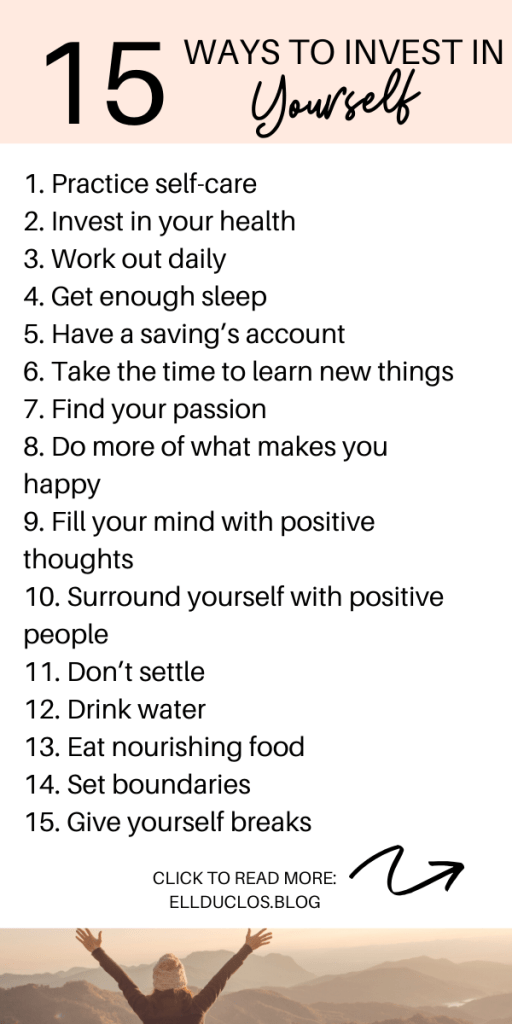
Stress and burnout can lead to short tempers and emotional reactivity. Taking time for yourself—whether that’s exercising, spending time on hobbies, or getting enough rest—is essential for keeping a cool head and practicing patient communication.
9. Be Patient and Forgiving with Yourself
This is not about becoming the world’s perfect communicator overnight. If you catch yourself falling back into old habits, acknowledge it without beating yourself up. Change takes time and consistency, and every effort counts.
The Benefits of Breaking Free
By shifting out of toxic communication, you’re not just creating healthier relationships—you’re reclaiming peace for yourself. Imagine leaving a conversation feeling understood instead of exhausted, or speaking up without worrying about triggering a defensive response. When you break the toxic cycle, you make space for real connection and respect.
Making It Happen
Building healthy communication is a powerful form of self-care. When we prioritize honest and constructive conversations, we can boost our self-esteem, deepen our connections, and build emotional resilience.
In the end, the choice is yours. You can break the silence on toxic habits, reclaim your peace, and build the kind of connections that bring out the best in you and others.
Takeaway: You’re in charge of the way you communicate. Embrace it as a tool to honor both yourself and the people in your life.
Final Thoughts
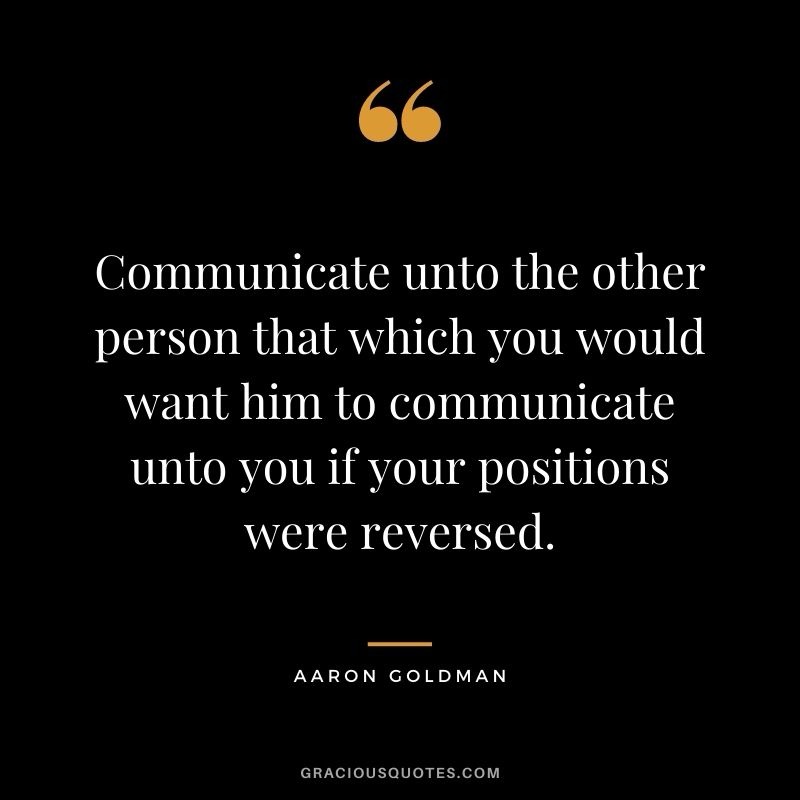
Breaking free from toxic communication isn’t easy, but it’s one of the most impactful changes you can make. It opens doors to healthier, more satisfying relationships and an overall calmer mind. As you take each step toward better communication, remember that you’re investing in your own growth and happiness. And really, what could be more worth it?
Note: This article is for educational purposes and does not replace professional advice. If you’re facing ongoing challenges with communication, consider reaching out to a mental health professional for guidance.





 Fierce Millenial
Leave a comment