
When “Cutting the Cord” Feels Like Getting Tied Up in Bills
Streaming Used to Save Us—Now It’s Draining Us
Remember when cutting the cord was supposed to save us money? Fast forward to today, and we’re paying more than we ever did for cable. The latest villain in this plot twist? YouTube TV, which just announced yet another price hike, and let’s just say, folks aren’t taking it lightly.
If streaming was the wild, free frontier we all once dreamed of, then YouTube TV’s latest move feels like being ambushed by a surprise toll booth.
The Numbers Don’t Lie—And They Hurt
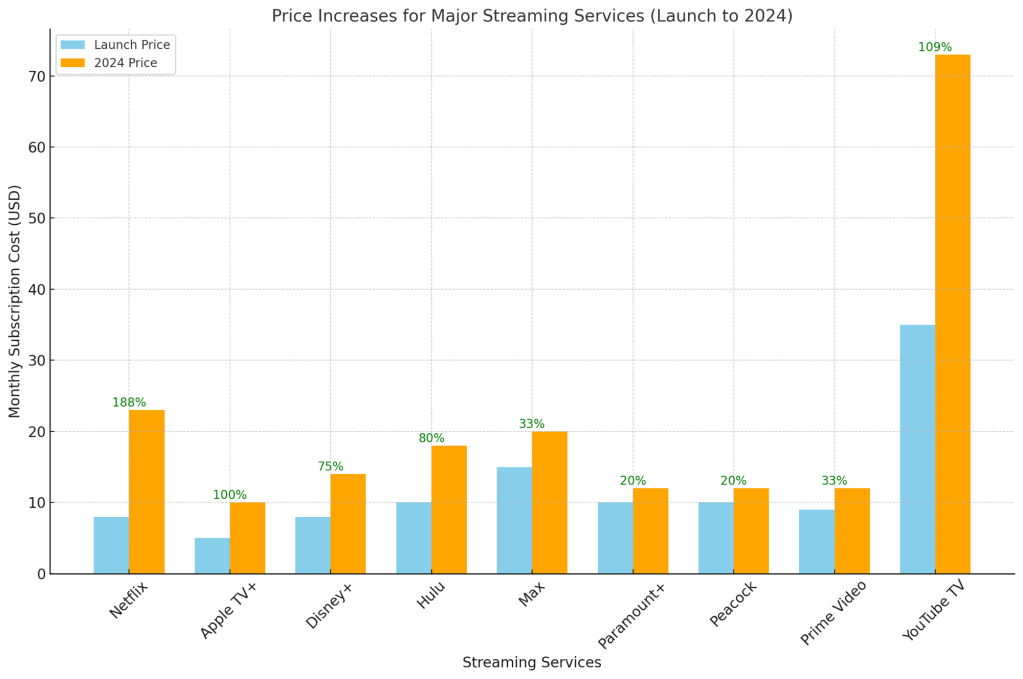
YouTube TV’s base subscription now sits at a jaw-dropping $72.99 per month, up from $64.99. That’s an extra $96 a year, y’all. For context, back in 2017, the same service launched at $35. Let that sink in.

Here’s the kicker: You’re still getting ads during your shows unless you pay for even more upgrades. Oh, and if you want additional features like premium channels or 4K streaming, prepare to shell out even more.
The irony is that YouTube TV marketed itself as a way to “cut the cord” and save money. At this point, many subscribers are questioning if they’ve just traded one overpriced service for another.
What’s Really Going On?
This isn’t just a YouTube TV problem—it’s an industry-wide trend. From Netflix to Disney+, prices are creeping higher, and no one’s safe. Why? Content production costs are skyrocketing, licensing deals are more expensive, and companies know we’re hooked.
Add in a little corporate greed, and voilà, you’ve got streaming services treating our wallets like ATMs.
The Fallout: How Subscribers Are Reacting
The response from users has been swift and loud:
• Cancellations Galore: Many subscribers are taking to social media, sharing screenshots of their canceled accounts.

• Exploring Alternatives: People are flocking to options like Sling TV, Hulu + Live TV, and even old-school antennas for local channels.
• Sharing Accounts (Again): Remember when Netflix cracked down on password sharing? YouTube TV subscribers are quietly ignoring that memo.
Can Cord-Cutters Win This Game?
So what’s the move here? Are we doomed to pay cable-like prices for streaming, or is there a way out? Here are some tips to soften the blow:


1. Bundle Wisely
Some companies offer bundles that save you money. Think Disney+ with Hulu and ESPN+, or exploring deals with your cell provider (hello, free Netflix with T-Mobile).
Pick one or two services for a month, binge all your favorites, then cancel and switch to another platform. It’s the ultimate “Netflix and chill… on a budget.”
Yes, antennas are making a comeback. For a one-time purchase, you can get access to local channels for free. It’s not glamorous, but it works.
Services like Peacock, Hulu, and Paramount+ offer lower-cost (or free) plans with ads. Not ideal, but it beats breaking the bank.
5. Negotiate or Cancel
Sometimes, a little persistence can pay off. Call customer service and ask for promotions or discounts. If they don’t budge, let them know you’re canceling—many companies will offer a deal to keep you.
It’s Time for Accountability
Here’s the deal: streaming services thrive because of us—the subscribers. If enough people push back, these companies will have to listen. That means canceling subscriptions if prices become unsustainable, making noise on social media, or supporting competitors offering better value.
We deserve better, and it’s up to us to demand it.
Final Thoughts: Are Streaming Services Worth It Anymore?
The dream of affordable, on-demand TV is fading fast, but all hope isn’t lost. By being strategic and vocal, we can navigate these price hikes and find ways to make streaming work for our budgets.
What do you think—are streaming services still worth the cost? Drop your thoughts below. Let’s figure this out together.




 Fierce Millenial
Leave a reply to The Ozempic Shortage Is Over—But Should You Even Care? – Fierce Millenial Cancel reply