

How a Little Sunshine Could Help Lower Your Risk of Breast Cancer
Ladies, let’s get real about something often whispered in fear but rarely tackled head-on: breast cancer. It’s a tough topic, no doubt. But knowledge is power, and today, we’re arming you with some game-changing info about a silent player in breast cancer prevention—Vitamin D.
The Sunshine Superhero: Vitamin D
Vitamin D isn’t just a nutrient; it’s a life-saver. Dubbed the “sunshine vitamin,” it’s not just about strong bones and pearly whites. This powerhouse plays a pivotal role in your immune system, hormone balance, and even the way your cells grow and divide.
But here’s the kicker: studies show a strong connection between low Vitamin D levels and an increased risk of breast cancer. While we’re not saying it’s a magic bullet, here’s why it deserves your attention:
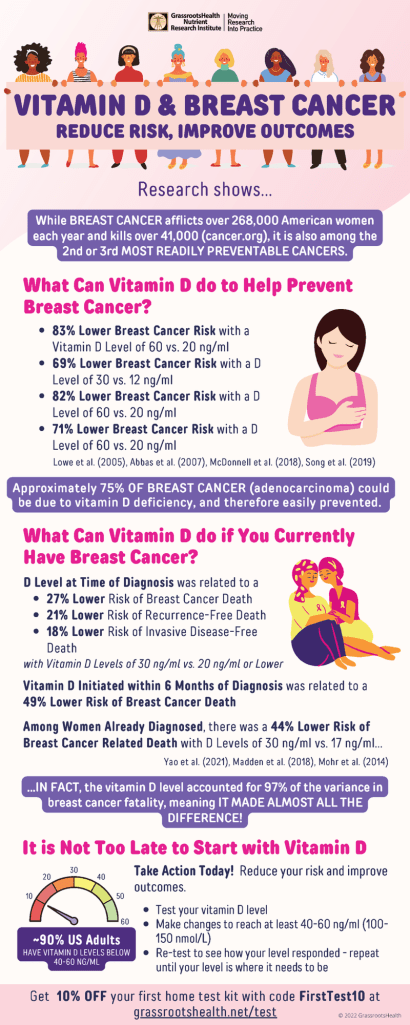
1. Hormone Harmony: Vitamin D regulates estrogen—a hormone often linked to breast cancer. Keep your D levels up, and you might just keep your hormones in check.
2. Immune Boost: Think of Vitamin D as a personal trainer for your immune system, helping it fight off not just colds, but potentially cancer, too.
3. Cellular Control: This vitamin ensures your cells grow the way they’re supposed to—no rogue behavior allowed.

Why Are So Many Women Deficient?
Here’s where it gets tricky: despite its importance, many women—especially Black women—are running low on Vitamin D. Why?
• Less Sun Exposure: Whether it’s desk jobs or Netflix marathons, we’re indoors way too much.
• Darker Skin Tones: Melanin is beautiful, but it also reduces your skin’s ability to produce Vitamin D from sunlight.

• Dietary Gaps: Not many foods naturally contain Vitamin D, and fortified options only do so much.
• Underlying Health Conditions: Issues like kidney or liver disease can mess with Vitamin D absorption.
How to Level Up Your Vitamin D
The good news? Boosting your Vitamin D levels is easier than you think. Here’s how:
Spend 10–30 minutes in sunlight a few times a week. Aim for morning or late afternoon sun to protect your skin.
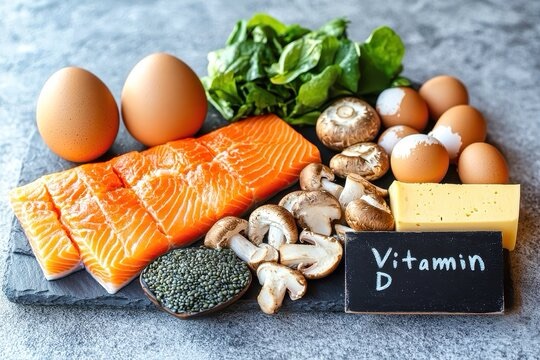
2. Load Up on Vitamin D-Rich Foods
Add fatty fish (like salmon), egg yolks, fortified cereals, and mushrooms to your grocery list.
Over-the-counter Vitamin D3 supplements can fill the gap. Pro tip: Check with your doctor first to find the right dose.
Regular blood tests can help you monitor your Vitamin D levels. Trust us, it’s worth the peace of mind.
Why This Matters for Black Women
Black women are more likely to be Vitamin D deficient due to darker skin tones requiring longer sun exposure to produce adequate levels. The result? Higher vulnerability to health issues like breast cancer. This is a health gap we can close—starting today.
Myth-Busting: Sunscreen vs. Vitamin D
Think you can’t wear sunscreen and get your Vitamin D fix? Think again! While sunscreen blocks some UV rays, it doesn’t completely halt Vitamin D production. So, slather up to protect your skin and still enjoy those sunshine benefits.

Let’s Take Control Together
Health isn’t just about preventing illness; it’s about thriving. By embracing small changes—like stepping into the sun, tweaking your diet, and considering supplements—you’re not just reducing your cancer risk. You’re empowering yourself to live fully and fiercely.
So, here’s the challenge: prioritize your Vitamin D levels this year. Schedule that blood test, get outside (safely), and fuel your body with the nutrients it craves.
Disclaimer: This article is for informational purposes only and is not a substitute for professional medical advice. Always consult with your healthcare provider regarding your health concerns.
Let’s rewrite the narrative about what it means to take care of ourselves—starting now. You’ve got this.






Leave a Reply