
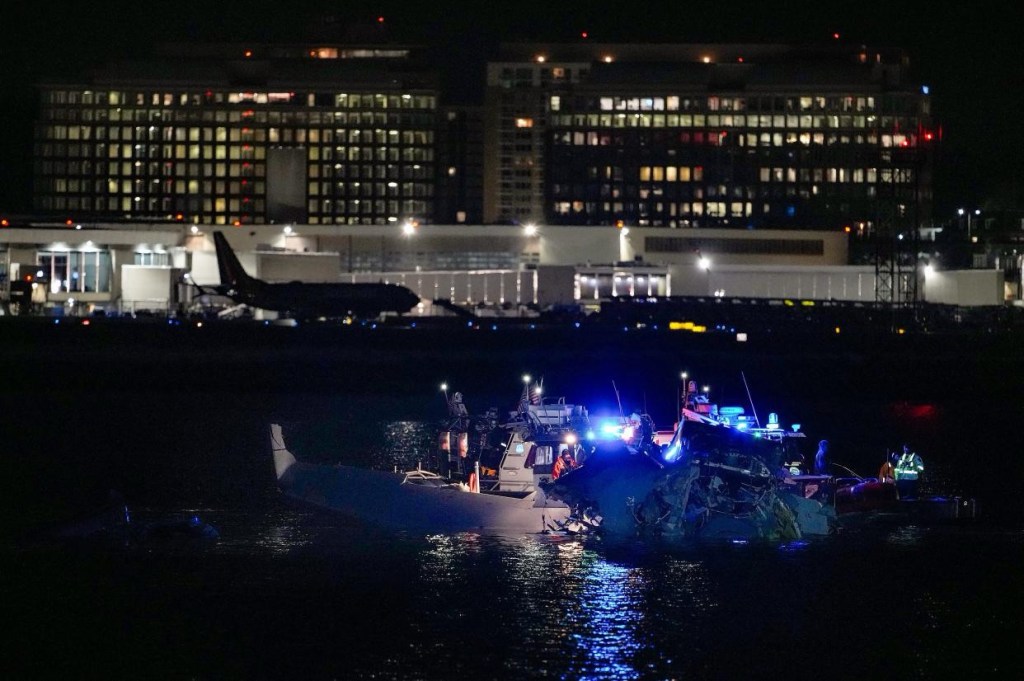
Low-flying jets, sleepless nights, and a community fighting for peace—why the skies over D.C. are a constant source of anxiety.
The Sky Ain’t Friendly for Everybody
Living near an airport sounds convenient—until you realize it means waking up to jet engines that could double as an alarm clock from hell. If you live anywhere near Ronald Reagan Washington National Airport (DCA), you already know the struggle: your backyard BBQ gets drowned out by roaring engines, you’ve mastered the art of pausing conversations mid-sentence, and a good night’s sleep? What’s that?
For years, D.C. residents have been locked in a war with the FAA over shifting flight paths that are turning entire neighborhoods into unwilling sonic warzones. The airport, wedged between the Potomac River and the city’s dense residential areas, has limited runway space, which means one thing—planes fly low and often.
So, who’s taking the brunt of it? And is there a way to fix it? Let’s break it down.
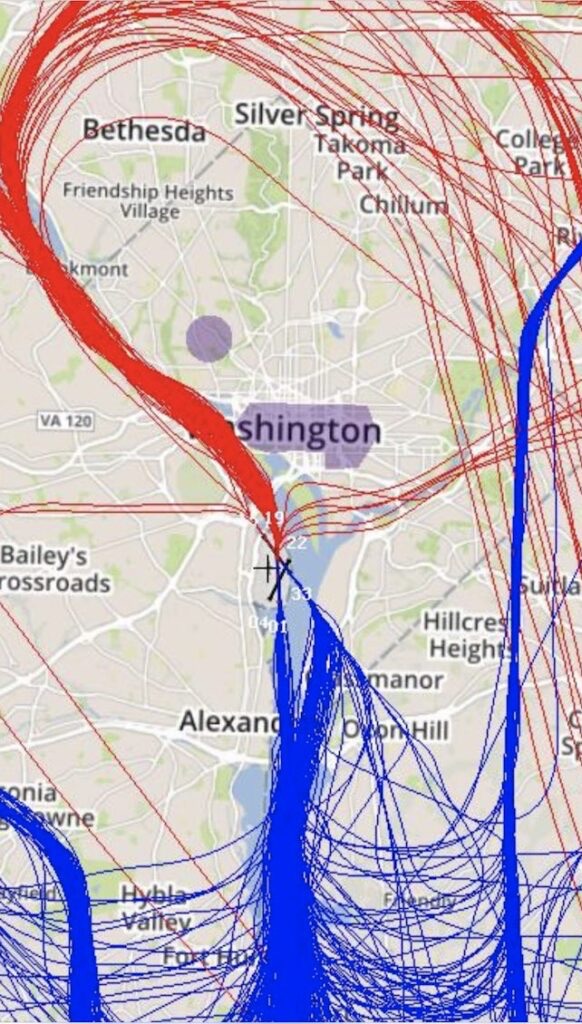
“Here’s the usual flight patterns for DCA. While most are north and south, you’ll see the flights going over the Anacostia.” via Melpomene Wetzlar
Jet Engines as White Noise? No Thanks.
Imagine trying to unwind after a long day, sipping wine on your patio—only to be interrupted every few minutes by the deafening roar of a Boeing 737 descending like it’s auditioning for a Top Gun sequel.
The impact of non-stop aircraft noise isn’t just about annoyance; it’s real, and it’s serious.
Sleep? Who Needs That Anyway?
• Middle-of-the-night wake-ups: Many flights arrive and depart as late as midnight or start up at 5 AM. That’s a solid five hours of peace—if you’re lucky.
• Increased stress levels: Chronic noise exposure has been linked to higher levels of cortisol (aka the stress hormone), meaning your body is in fight-or-flight mode way too often.
• Long-term health effects: Research has connected excessive noise pollution to hypertension, cardiovascular disease, and even cognitive issues.
Your Backyard is Now an Unofficial Airport Lounge
• Outdoor activities? Think again. Residents report not even being able to hold conversations outside because the noise is that overpowering.
• Forget the peaceful morning coffee. A casual moment on the porch? Ruined.
The Flight Path Effect: How Constant Noise is Hitting Home Values
• Homes directly under the busiest flight paths see lower resale values.
• Some buyers are straight-up avoiding these areas altogether.
The Community Ain’t Having It
When the FAA started tweaking flight paths over the years, hoping to make air traffic smoother, they didn’t consider that shifting the noise from one neighborhood to another didn’t actually fix the problem—it just moved it around like a game of aviation hot potato.
The Protest is Real
• Lawsuits & petitions – Homeowners and community organizations are pushing back with legal action.
• Public meetings – Residents are showing up to demand answers from airport officials and aviation regulators.
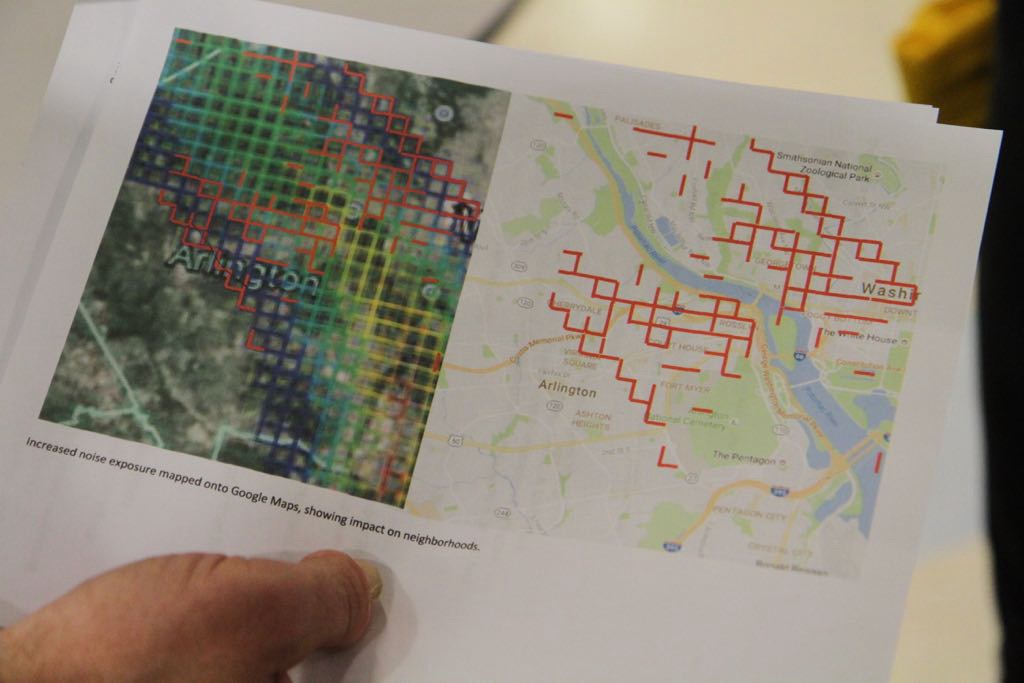
• Noise monitors & advocacy groups – Data is being collected to prove just how disruptive the problem is.
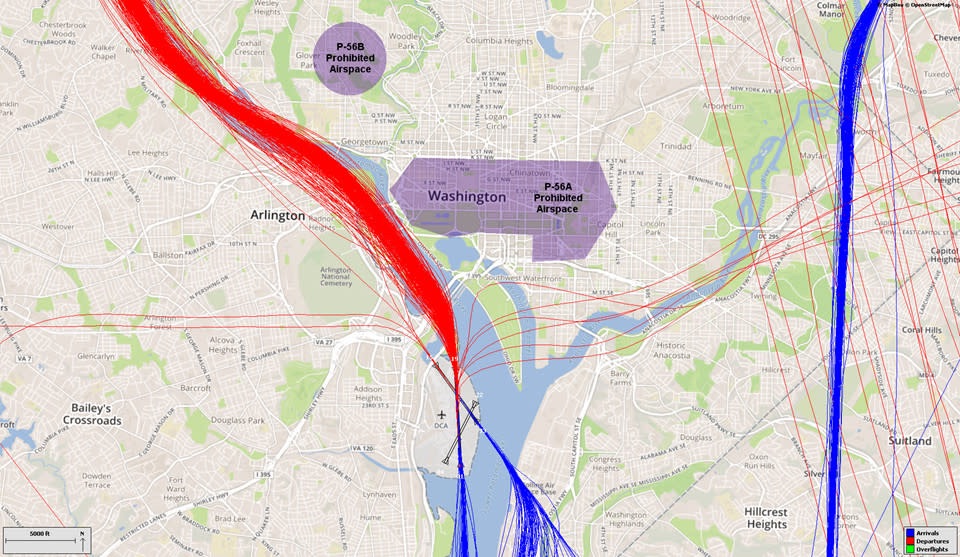
A graphic showing a typical departure flow to the North (in red) from Reagan National Airport. Of the two runways used for departures in that direction, Runway 01 is seen at the right, while Runway 33 is to the left of it. The two zones of prohibited airspace over Washington, D.C., are also shown here. Reagan National Airport
And the wild part? The noise is actually worse in certain affluent areas, which means even rich folks are mad now. When money talks, things tend to move faster—so there may be hope yet.
So What’s Being Done?
While everyone agrees that something needs to change, the “how” is still up for debate. Some proposed solutions include:
1. Adjusting Flight Paths (Again…)
• The FAA has suggested rerouting flights over less populated areas.
• The downside? This just shifts the problem to another group of unsuspecting residents.
2. Enforcing Quieter Aircraft Regulations
• Airlines are slowly phasing in quieter jets, but that doesn’t help the folks suffering right now.
3. Implementing Curfews
• Some cities have strict limits on overnight flights—but Reagan National? Not so much. Night flights are still a thing.
4. Soundproofing Homes (With Whose Money?)
• Some cities have airport-funded programs to help residents insulate their homes against noise.
• D.C.? Let’s just say, residents are still waiting on that miracle.
Creator:
Copyright: (C) Local News Now LLC. All rights reserved.
The Harsh Truth: Reagan Ain’t Going Anywhere
At the end of the day, Reagan National Airport isn’t shutting down, and flights aren’t stopping. The airport is a major hub that keeps the city moving, and airlines aren’t about to start losing money just because a few neighborhoods are up in arms.
That said, the fight for better noise regulations isn’t just about convenience—it’s about public health, mental well-being, and fair treatment. The people affected by this aren’t asking for much—just a little peace and quiet.
Until a real solution is found, if you live near DCA, consider investing in:
✔️ Noise-canceling headphones
✔️ Blackout curtains (because those flashing landing lights at night are disrespectful)
✔️ A deep well of patience
Or, if all else fails, you could always move—just, you know, somewhere far from an airport this time.
Final Thoughts:
The situation at Reagan National is a prime example of modern city living: the convenience of air travel vs. the reality of sharing your neighborhood with jet engines. It’s a messy, frustrating, and seemingly never-ending battle—but the people affected aren’t backing down anytime soon.
For now, all you can do is hope that the next flight path adjustment doesn’t have your neighborhood in its crosshairs.
Too Long; Didn’t Read. (Because We Get It, You’re Busy)
• Living near DCA means dealing with obnoxious aircraft noise.
• It’s messing with sleep, stress levels, and even home values.
• Residents are fighting back with protests and lawsuits.
• Solutions are complicated, but something’s gotta give.
• Until then? Noise-canceling headphones are your best friend.
Your Turn:
Live near an airport? What’s been your experience? Drop a comment below or vent in our DMs—we know you’ve got stories.




 Fierce Millenial
Leave a reply to The Silent Epidemic: Prostate Cancer Screening—The Bold Truth No One’s Whispering – Fierce Millenial Cancel reply