Alright, fierce ones. Let’s talk about something that hits close to home for many of us, regardless of age, but especially for those of us who grew up navigating evolving beauty standards while simultaneously embracing our power: the relentless pursuit of an “ideal” body. Specifically, we’re dissecting TikTok’s recent move to ban the #SkinnyTok hashtag. On the surface, it sounds like a win, right? A major platform finally cracking down on content that promotes extreme thinness and potentially harmful eating behaviors. But if you’re anything like us, you’ve learned that life – and the internet – is rarely that simple.
This isn’t just about a hashtag disappearing into the digital ether. It’s about a much deeper, more insidious current flowing through our feeds: the persistence of content promoting unhealthy eating and unrealistic body ideals, even when the obvious offenders are given the boot. TikTok might have taken a swing at #SkinnyTok, but frankly, it feels like a surface-level plaster on a gaping wound. And as intelligent women who value our mental and physical well-being, we need to talk about why this still matters.
The Rise, Reign, and Reckoning of #SkinnyTok
For those who may have thankfully dodged this particular digital bullet, #SkinnyTok was a corner of TikTok that, as its name suggests, celebrated extreme thinness. We’re talking videos dishing out questionable “tips” on how to manage or completely ignore feelings of hunger. Content that often veered into outright body shaming and delivered demeaning messages about anything less than a severely restricted, often unattainable, physique. It offered guidance on how to drastically cut calories for rapid weight loss, showcasing bodies that, for most, are simply not healthy or sustainable.
This wasn’t just some fringe corner, either. #SkinnyTok gained significant traction, especially among younger, impressionable users. It capitalized on the visual, rapid-fire nature of TikTok, allowing for quick consumption of content that could subtly (or not so subtly) push dangerous narratives around food, weight, and self-worth.The alarm bells weren’t just ringing; they were blaring. European regulators, in particular, became increasingly concerned, propelled by the European Parliament to “take action against the SkinnyTok trend on TikTok, which promotes extreme thinness among young girls.” This isn’t the first time such trends have surfaced on social media, nor will it be the last. The digital landscape is a constantly shifting beast, and what starts as seemingly innocent self-expression can quickly morph into a breeding ground for harmful ideologies, especially when tied to something as vulnerable as body image.
A Band-Aid on a Bullet Wound: The Ban and the Backlash
So, TikTok finally responded. They banned #SkinnyTok. A spokesperson for TikTok reportedly stated, “We regularly review our safety measures to address evolving risks and have blocked search results for #SkinnyTok since it has become linked to unhealthy weight loss content.” Sounds proactive, right?

Here’s where the “edgy” part comes in: many critics are rolling their eyes, and for good reason. As Dr. Brooke Erin Duffy, a social media researcher and associate professor at Cornell University, wisely put it, “As soon as there is an attempt for platforms to regulate or thwart a hashtag, anyone using the platform is gonna develop a workaround.” This isn’t rocket science, it’s human nature – especially when intertwined with the relentless pursuit of validation and connection that platforms like TikTok thrive on.
The content creators and consumers of #SkinnyTok didn’t just vanish into thin air. They adapted. They got sneakier. The algorithms are powerful, but human ingenuity (especially when misdirected) can be even more so. We’re now seeing the emergence of coded language, innocuous-sounding hashtags, and visual cues that still convey the same problematic message without explicitly using the banned terms. Think “What I Eat in a Day” videos featuring shockingly small portions, “extreme glow-up” transformations that clearly involve drastic weight loss, or “health and wellness” accounts that subtly promote restrictive eating as the path to “optimal” well-being.
This isn’t to say TikTok’s efforts are entirely useless. Back in 2020, they introduced ad policies banning ads for fasting apps and weight loss supplements, and restricting ads that promote a harmful or negative body image. They even redirect some searches to the National Eating Disorders Association (NEDA) Helpline, which is a significant step towards providing resources. These are important foundational steps. However, the problem of unhealthy content is like a hydra – cut off one head, and two more appear, perhaps more disguised than before.
The Elephant in the Feed: Societal Fatphobia and the Slimness Pendulum
Why does this content persist, even in the face of bans? Because it taps into something deeply ingrained in our society: fatphobia. Author Megan Jayne Crabbe, formerly known online as BodyPosiPanda, observes that “the beauty standard has swung back towards extreme slimness.” For those of us who lived through the “heroin chic” era, followed by the “bubbly, sculpted” phase, and now seemingly back again to extreme lean, it’s a frustrating, exhausting cycle. Society’s ingrained fear and disdain for larger bodies fuel the demand for content that promises escape from that perceived “undesirable” state.
This isn’t just about what’s trending; it’s about a deeply rooted cultural narrative that equates thinness with health, success, discipline, and even moral superiority, while associating larger bodies with laziness, lack of control, and a host of negative stereotypes. And let’s be honest, for Black women, these pressures are often compounded by additional layers of historical and cultural biases around body types. We’ve long celebrated diverse forms, yet are still bombarded with mainstream ideals that rarely reflect our authentic beauty.

When platforms ban overt hashtags but fail to address the underlying societal issues, they leave a vacuum that more covert, equally damaging content rushes to fill. It’s a game of whack-a-mole where the moles are constantly evolving and the mallet is just too slow.
Fierce Wellness Beyond the Algorithm: Curating Your Digital Sanctuary
So, as discerning, intelligent Millennial women, what’s our move? We can’t rely solely on platforms to police our well-being. We have to be bolder, smarter, and more intentional about cultivating our digital spaces.
- Be a Savvy Digital Curator: You have the power to shape your feed. If something makes you feel less-than, insecure, or pressured, mute it, block it, or unfollow it. Don’t hesitate. Your mental health is more important than any algorithm’s “suggestions.” Look for accounts that promote body neutrality, intuitive eating, joyful movement, and genuine self-acceptance.
- Decipher the Deceptive: Learn to recognize the subtle cues of unhealthy content. Does it promise quick fixes? Does it demonize entire food groups? Does it encourage extreme exercise or restrictive calorie counting? If it feels off, it probably is. Critically evaluate everything you consume.
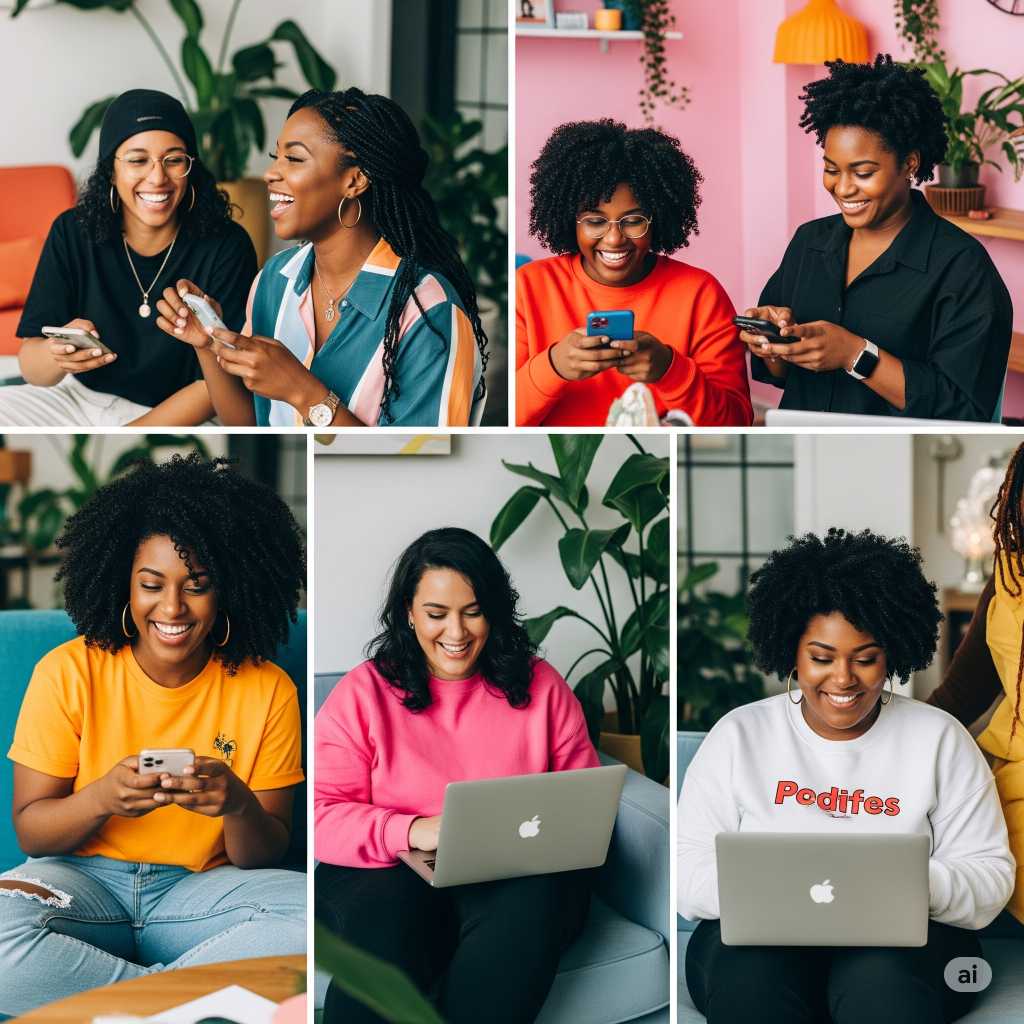
- Find Your Tribe: Seek out and engage with communities that genuinely uplift, empower, and celebrate diverse bodies and healthy relationships with food and self. This can be on TikTok, Instagram, or even in real life. Shared experiences and support are powerful antidotes to isolation and negative self-talk.
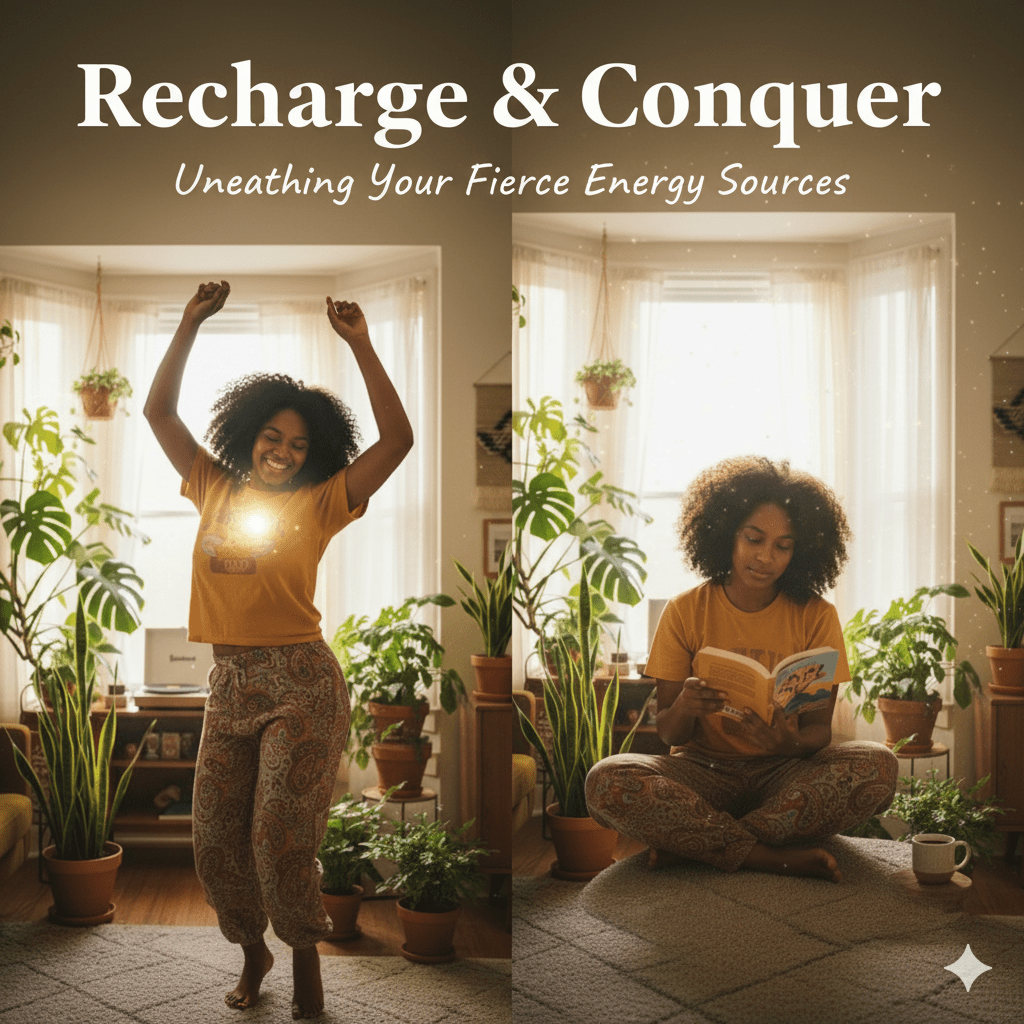
- Embrace Radical Self-Love: This isn’t just a catchy phrase; it’s a daily practice. Remind yourself that your worth is not tied to a number on a scale or a fleeting beauty standard. Your body is your vessel, capable of incredible things, and it deserves respect, nourishment, and care, not punishment or constant striving for an external ideal.
- Challenge the Narrative: Speak up, even in small ways. Comment on positive posts, share your own journey of self-acceptance (if you feel comfortable), and gently challenge harmful narratives when you encounter them. Every voice contributes to shifting the cultural landscape.
Remember, the goal isn’t to be “thin enough” or “perfect enough.” The goal is to be fierce enough – fiercely confident, fiercely healthy, fiercely joyful, and fiercely authentic in the skin you’re in. This means rejecting the insidious messages that tell you otherwise and actively building a life, both online and off, that supports your holistic well-being.
[TikTok bans #SkinnyTok. But content promoting unhealthy eating persists] ]
[How Body Positivity Shapes Our Social Media Feeds]
[7 Best Support Organizations for Health at Every Size]
The Unfolding Battle for Our Bodies and Minds
TikTok’s ban on #SkinnyTok is a signal, but it’s far from a solution. It highlights the ongoing, complex battle platforms face in moderating content while users creatively circumvent rules. More importantly, it underscores the persistent societal pressures around body image that make such content so potent.
For us, the savvy, discerning Millennial women of the world, this means staying vigilant. It means understanding that true wellness isn’t found in a hashtag or a restrictive diet plan, but in radical self-acceptance, critical thinking, and the conscious cultivation of spaces – both digital and real – that nourish our minds, bodies, and spirits. We are brilliant, bold, and more than capable of navigating these treacherous waters. Let’s continue to empower each other to define our own beauty and health, fiercely and unapologetically.



 Fierce Millenial
Leave a comment